Quranic Answer
Achieving loving obedience to the Almighty God is a profound and blessed journey that transforms one's heart and soul. This type of obedience is not merely the performance of religious duties, but rather a state of heartfelt submission, pure love, and an inner longing for the pleasure of the Lord. The Holy Quran serves as an unparalleled guide on this path, teaching us the principles and foundations necessary for cultivating this love and obedience. To attain this exalted station, several fundamental steps are involved, each complementing the other and requiring continuous attention. The first and perhaps most crucial step is deep knowledge and understanding of God (Ma'rifat Allah). The more a person comes to know their Lord, becoming more aware of His attributes of majesty and beauty, and comprehending His boundless mercy, infinite wisdom, absolute power, and unparalleled justice, the more love will take root in their heart. The Quran is replete with verses that invite us to reflect upon the creation of the heavens and the earth, humanity itself, and the divine signs in the universe. This contemplation removes veils from the heart and introduces a person to the Creator's grandeur. Understanding God's Names and Attributes (Asma al-Husna), such as Ar-Rahman (The Most Gracious), Ar-Rahim (The Most Merciful), Al-Ghaffar (The Forgiver), Ar-Razzaq (The Provider), Al-Alim (The All-Knowing), and Al-Hakim (The All-Wise), helps one to understand that everything that comes from Him is absolute good and originates from His boundless grace and wisdom. This knowledge lays the groundwork for a love that springs from the depths of the soul, making every act of obedience delightful. The second step is continuous and heartfelt gratitude (Shukr). God explicitly states in the Quran that if you are grateful, He will increase His blessings upon you. Gratitude is not merely uttering 'Alhamdulillah' (Praise be to God) with the tongue; rather, it is a state of the heart that recognizes and appreciates God's blessings in every moment of life, whether small or large. When a person reaches the understanding that every breath taken, every morsel of food, every state of health, and every moment of peace is a blessing from the Lord, their heart becomes overflowing with His love. This love compels one to obey out of appreciation, not merely out of fear of punishment or hope for reward. Gratitude ensures that a person constantly perceives themselves in God's presence and performs every action out of thanksgiving. The third step is constant remembrance of God (Dhikr). The Quran states: "Unquestionably, by the remembrance of Allah hearts are assured." (Ar-Ra'd 13:28). Dhikr is not limited to mere recitation of supplications; it also encompasses contemplating divine verses, reciting the Quran, and maintaining presence of mind in all moments of life. When a person keeps God's remembrance alive in their heart, they feel a greater closeness to Him. This closeness strengthens love and transforms obedience into an act of profound affection. Remembrance of God keeps a person away from heedlessness and ensures that their decisions and actions are always in line with divine pleasure. Heartfelt prayer, attention to the meanings of Quranic verses, and intimate supplication (Munajat) with the Lord are all tools to strengthen this continuous remembrance and deepen the loving relationship with God. The fourth step is performing acts of worship with presence of heart and humility (Khushu). Acts of worship such as prayer (Salah), fasting (Sawm), charity (Zakat), and pilgrimage (Hajj) are not merely religious obligations but opportunities to draw closer to God and express love and servitude to Him. When prayer is performed with the presence of heart and an understanding of the Lord's grandeur, it is no longer just physical movements, but an intimate conversation with the Eternal Beloved. Fasting is not only abstaining from food and drink but also a training for self-control and understanding the plight of the needy, ultimately leading to divine proximity. Zakat and Sadaqah (charity) are expressions of love for God's creation, stemming from love for the Creator. Performing these acts of worship with the perspective that each is a step on the path of love and servitude transforms obedience from compulsion into choice and eagerness. The fifth step is patience (Sabr) and reliance (Tawakkul) in the face of difficulties and trials. Worldly life is full of ups and downs and tests. It is here that loving obedience finds its true meaning. When a person faces difficulties, instead of despair or complaint, they trust in God's wisdom and planning with patience and reliance. This trust is a sign of the depth of love and servitude, for they know that their Lord desires nothing but their ultimate good and well-being. This state of submission and contentment elevates obedience to a high degree of spirituality, as the person does not deviate from the path of love and servitude even in the most challenging moments. Finally, striving for good character and serving creation (Ihsan) is a manifestation of loving obedience. The Quran strongly emphasizes kindness to parents, relatives, orphans, the needy, and neighbors. Serving creation is, in reality, serving the Creator. When a person, out of love for God, is kind and compassionate towards His other creatures, they draw closer to the source of divine mercy. This obedience extends beyond individual obligations and addresses a person's social dimension and responsibility towards society. One who is lovingly obedient to God becomes a mirror of divine attributes on earth, bringing goodness and blessing to those around them. This path requires continuous struggle against the lower self, purification of character, and constant movement on the path of truth, so that one may continually draw closer to divine perfections and transform their obedience from a mere duty into a lasting and effervescent love.
Related Verses
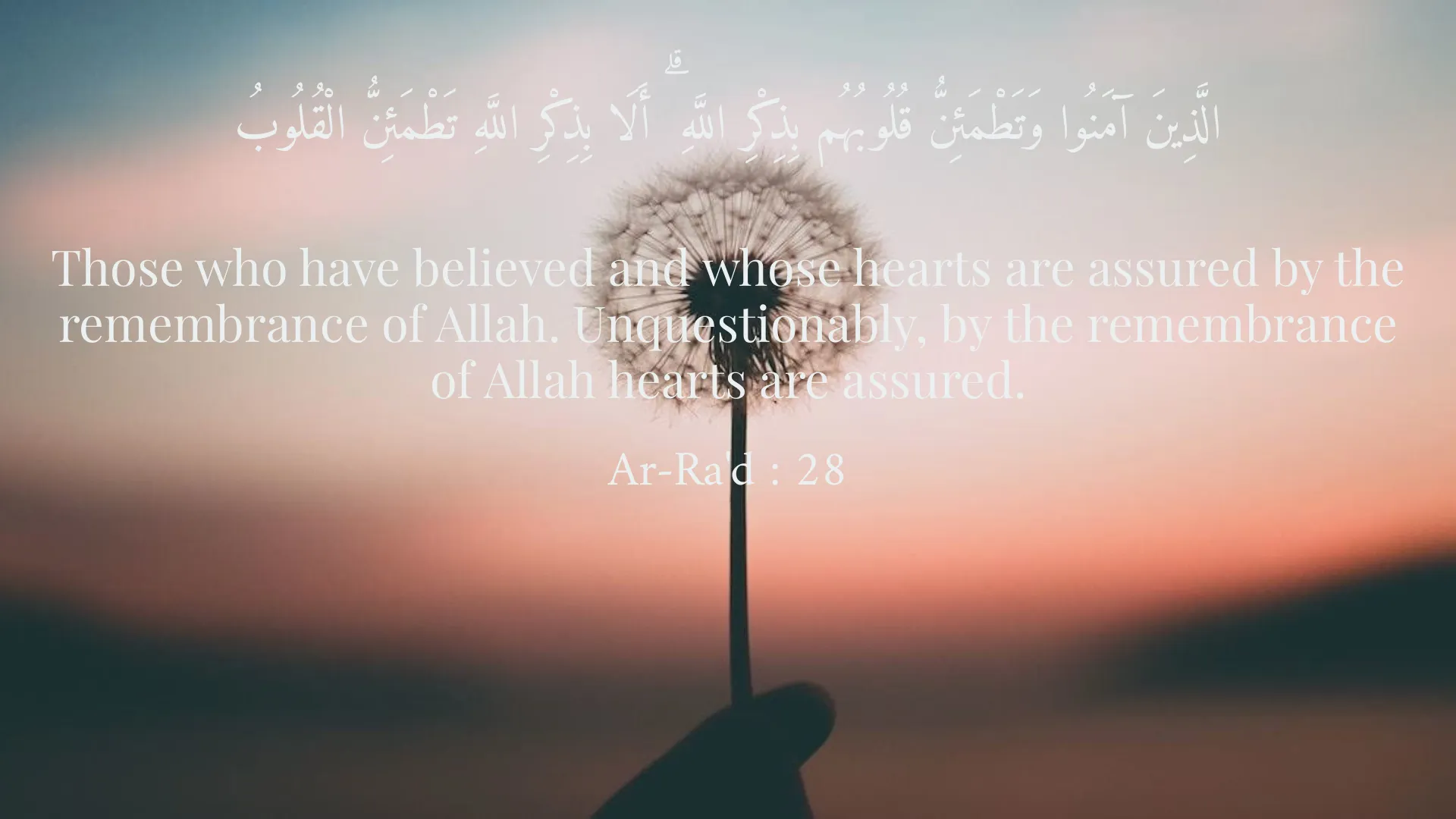
الَّذِينَ آمَنُوا وَتَطْمَئِنُّ قُلُوبُهُم بِذِكْرِ اللَّهِ ۗ أَلَا بِذِكْرِ اللَّهِ تَطْمَئِنُّ الْقُلُوبُ
Those who have believed and whose hearts are assured by the remembrance of Allah. Unquestionably, by the remembrance of Allah hearts are assured.
Ar-Ra'd : 28
وَإِذْ تَأَذَّنَ رَبُّكُمْ لَئِن شَكَرْتُمْ لَأَزِيدَنَّكُمْ ۖ وَلَئِن كَفَرْتُمْ إِنَّ عَذَابِي لَشَدِيدٌ
And [remember] when your Lord proclaimed, 'If you are grateful, I will surely increase you [in favor]; but if you deny, indeed, My punishment is severe.'
Ibrahim : 7
قُلْ إِن كَانَ آبَاؤُكُمْ وَأَبْنَاؤُكُمْ وَإِخْوَانُكُمْ وَأَزْوَاجُكُمْ وَعَشِيرَتُكُمْ وَأَمْوَالٌ اقْتَرَفْتُمُوهَا وَتِجَارَةٌ تَخْشَوْنَ كَسَادَهَا وَمَسَاكِنُ تَرْضَوْنَهَا أَحَبَّ إِلَيْكُم مِّنَ اللَّهِ وَرَسُولِهِ وَجِهَادٍ فِي سَبِيلِهِ فَتَرَبَّصُوا حَتَّىٰ يَأْتِيَ اللَّهُ بِأَمْرِهِ ۗ وَاللَّهُ لَا يَهْدِي الْقَوْمَ الْفَاسِقِينَ
Say, [O Muhammad], 'If your fathers, your sons, your brothers, your wives, your relatives, wealth which you have gained, commerce wherein you fear decline, and dwellings with which you are pleased are more beloved to you than Allah and His Messenger and striving in His cause, then wait until Allah executes His command. And Allah does not guide the defiantly disobedient people.'
At-Tawbah : 24
Short Story
It is narrated that one day, a pious and ascetic man wandered lost in a desert, with neither water nor food. He thought to himself, "Alas, what shall I do?" Suddenly, he saw a small bird with broken wings, lying in a corner. To his astonishment, another bird brought food with its beak and placed it into the injured bird's mouth. Upon witnessing this scene, the pious man was astonished and pondered, "The God who provides for this helpless bird in the desert, how could He be heedless of my state?" A light of reliance and love for God shone in his heart, and with his whole being, he trusted in the wisdom and provision of the Almighty. So, he sat there, released from worldly concerns, and his heart filled with love and obedience. Thus, his obedience transformed from a dry duty into a fervent passion, for he knew that God never abandons His loving servants and provides for them from sources they could never imagine.