Quranic Answer
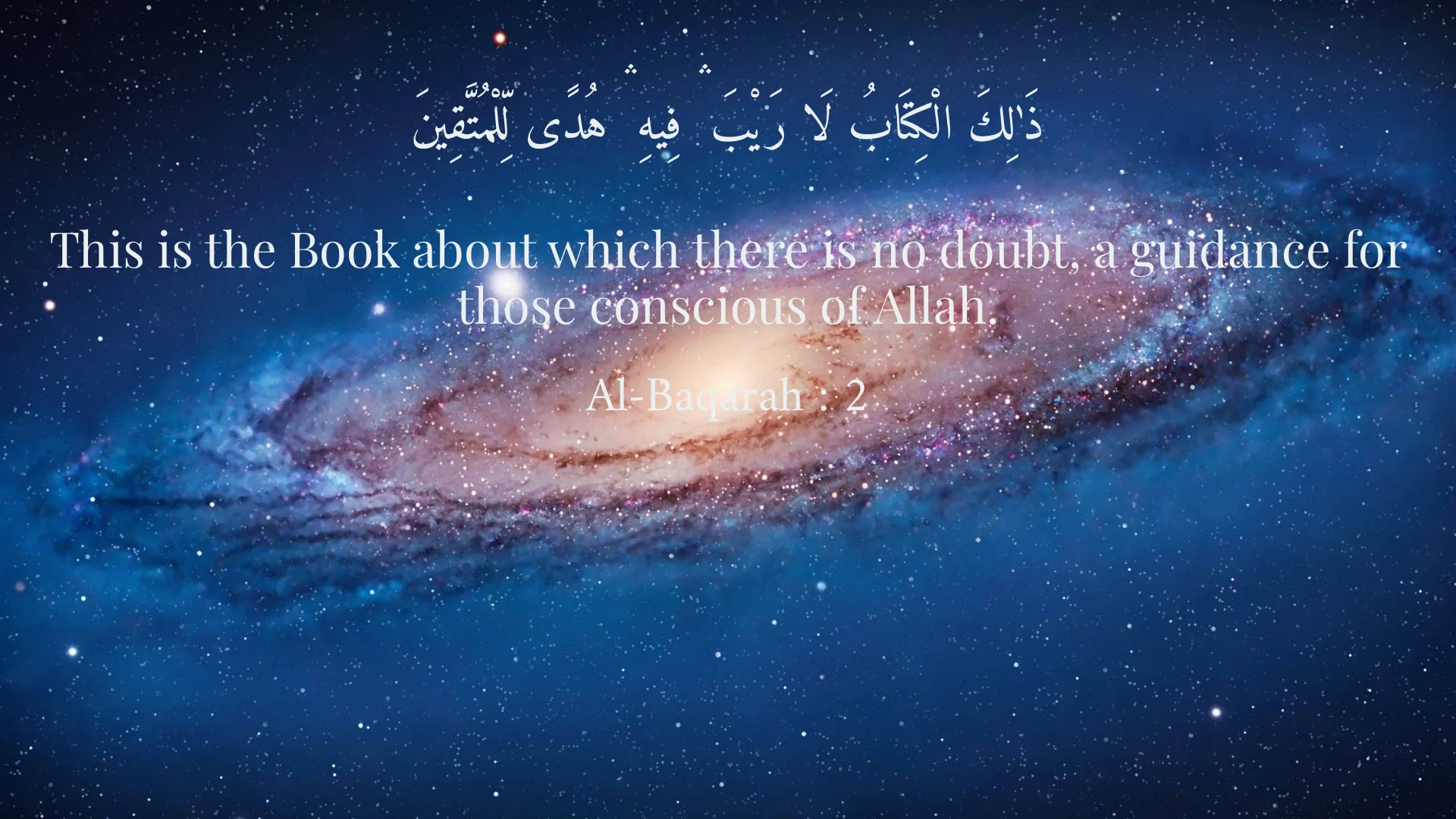
Aligning your life with the Quran is a profound and transformative journey that calls upon individuals to embrace their faith and immerse themselves fully in the teachings of this holy scripture. It is not merely about adhering to a set of rules but encompasses nurturing a deep, personal relationship with God, ultimately leading to a fulfilling life on both a spiritual and earthly plane. For Muslims, the Quran serves as a divine guide that steers them toward righteousness and assures them of God's presence in their daily endeavors. It is a source of wisdom, motivation, and strength that cultivates God-consciousness, also known as Taqwa, which is central to Islamic teachings. In the opening verse of Surah Al-Baqarah, God unequivocally states, 'This is the Book about which there is no doubt, a guidance for those conscious of Allah.' (Quran 2:2). This fundamental assertion emphasizes the Quran's role as more than just a religious text; it is a roadmap for a better and successful life. The wording suggests a significant weight placed upon the consciousness of Allah, indicating that such awareness will lead to an enriched understanding of one’s purpose. To align one’s life with the Quran, individuals should set aside dedicated time for reading, interpreting, and reflecting on its myriad verses. This reflection is crucial in discerning how these teachings can be applied to one’s life. Reading the Quran is not a ritualistic task but rather an engaged endeavor that invites believers to explore the message deeply. Many scholars advocate for the practice of Tafsir, which involves the commentary and explanation of the Quranic text. This method allows individuals to tap into the richness of the Quran and contextualize its teachings within their lives. Scholars such as Ibn Kathir and Al-Tabari have dedicated their work to elucidating these verses, guiding believers to uncover layers of meaning that may not be immediately apparent. Moreover, engaging with the Quran can lead to spiritual revelations that inspire changes in behavior and attitude, guiding one toward a righteous path. In addition to solitary reflection, actively practicing Islamic duties is paramount. Prayer (Salah), fasting during the month of Ramadan (Sawm), almsgiving (Zakat), and kindness to others are not merely optional but rather essential components of an Islamic lifestyle. Surah Al-Imran reminds believers in verse 102, 'O you who have believed, fear Allah as He should be feared and do not die except as Muslims.' This emphasizes the call for continual vigilance in one's actions and a sincere effort to embody the principles of the Quran in everyday life. Faith can be manifested through daily practices, directing one’s heart and mind toward the divine. The act of praying five times a day connects the believer not only with God but also with the community of believers, fostering a sense of unity and shared purpose. Fasting during Ramadan instills self-discipline and spiritual purging, allowing Muslims to empathize with the less fortunate and develop a deeper sense of gratitude. Zakat is a means of social justice, nurturing compassion by redistributing wealth within the community, and ultimately promoting welfare and stability among the less fortunate. This communal approach to worship and charity embodies the spirit of Islam, showcasing its emphasis on interdependence and mutual support. Furthermore, the Quran places immense importance on ethical and just behavior. In Surah An-Nahl, verse 90, Allah commands, 'Indeed, Allah commands you to render trusts to whom they are due and when you judge between people to judge with justice.' This clear directive underlines the necessity of righteousness and fairness in all interactions. Practically, this translates to being truthful, honoring promises, and treating others with dignity and respect—values that mold a community based on harmony and trust. Interactions with those around us, especially family and friends, should manifest love, compassion, and sincerity. The Quran acknowledges the critical role parents play in the development of their children and emphasizes the importance of respecting and caring for them. Surah Luqman, verse 14 beautifully articulates this sentiment, stating, 'And We have enjoined upon man [care] for his parents.' These moments of interaction cultivate an environment where Islamic values can thrive, showcasing how familial bonds should be steeped in kindness and understanding. Living according to the Quran’s teachings is not a static endeavor but a dynamic pursuit of continual personal growth and self-improvement. it calls for individuals to recognize their shortcomings and strive to overcome them. It is through regular reflection and repentance that one can aim to escape the cycle of sin and step onto the path of righteousness. The practice of regular self-assessment aligns one's actions with divine expectations, enabling believers to identify areas needing improvement. Moreover, the process of aligning one’s life with the Quran fosters an atmosphere for spiritual peace and satisfaction. This internal tranquility, a byproduct of living in accordance with divine principles, anchors believers amidst life’s tumultuous realities. The teachings of the Quran offer techniques for resilience, encouraging patience, hope, and reliance on God’s wisdom. As individuals navigate their personal journeys, it is crucial to recognize that aligning with the Quran is not a one-time effort but rather an ongoing commitment. The Quran serves as a timeless source of guidance shaped by a foundation of mercy and forgiveness, encouraging Muslims to engage with it wholeheartedly. As they strive to practice its teachings, believers cultivate a richer relationship with God and, ultimately, with themselves. In conclusion, aligning your life with the Quran signifies embracing divine commands and understanding the inherent wisdom within its verses. It calls for reading, interpreting, and reflecting upon these sacred messages while actively practicing Islamic duties. Engaging with family and community based on love and sincerity enriches interpersonal relationships, leading to collective growth. Ultimately, the teachings of the Quran guide individuals toward a life of spiritual fulfillment and purpose, embodying values that instill peace, justice, and compassion. By dedicating their lives to these principles, believers not only cultivate a deeper connection with God but also contribute positively to the world around them.
Related Verses
ذَٰلِكَ الْكِتَابُ لَا رَيْبَ ۛ فِيهِ ۛ هُدًى لِّلْمُتَّقِينَ
This is the Book about which there is no doubt, a guidance for those conscious of Allah.
Al-Baqarah : 2
يَا أَيُّهَا الَّذِينَ آمَنُوا اتَّقُوا اللَّهَ حَقَّ تُقَاتِهِ وَلَا تَمُوتُنَّ إِلَّا وَأَنْتُمْ مُسْلِمُونَ
O you who have believed, fear Allah as He should be feared and do not die except as Muslims.
Al-Imran : 102
إِنَّ اللَّهَ يَأْمُرُكُم بِالْعَدْلِ وَالإِحْسَانِ وَإِيتَاءِ ذِي الْقُرْبَىٰ
Indeed, Allah commands you to render trusts to whom they are due and when you judge between people to judge with justice.
An-Nahl : 90
Short Story
Once upon a time in a village, there lived a man named Hamid. Hamid always questioned how he could improve his life. One day he decided to dedicate more of his time to reading the Quran. After a few weeks, he realized that when he thought about the verses of the Quran and tried to apply them, he felt better. Not only did he help himself, but by assisting those in need and respecting his parents, he also found better friends. These changes in his life brought him happiness and peace of mind.