Quranic Answer
The question of how to avoid mechanical worship is profound and touches upon the very essence of our spiritual connection with the Divine. In Islam, worship (Ibadah) is not merely a set of rituals or physical movements; it is a holistic engagement of the heart, mind, and body with Allah (SWT). The Holy Quran, as our ultimate guide, offers profound insights and clear directives on how to transform our acts of worship from rote habits into vibrant, meaningful encounters that nourish the soul and elevate our consciousness. The core principle lies in cultivating presence, sincerity, understanding, and reflection in every act of devotion. One of the most crucial aspects the Quran emphasizes is Khushu', which translates to humility, submissiveness, and a profound state of awe and concentration, especially during prayer (Salat). Allah describes the successful believers in Surah Al-Mu'minun (Chapter 23, Verse 2) as "those who are humble in their prayers." This verse is a direct pointer that the quality of our prayer is paramount, not just its performance. Mechanical prayer is characterized by a lack of Khushu', where the mind wanders, and the heart remains detached from the words being uttered or the movements being performed. To avoid this, one must consciously strive to bring their heart into the prayer. This involves preparing mentally and spiritually before even beginning. For instance, taking a moment to remember who one is about to stand before – the All-Mighty, the Creator, the Sustainer of all existence. Understanding the meanings of the verses recited, the glorifications (Tasbih), and the supplications (Du'a) profoundly changes the experience. When we understand that "Allahu Akbar" means "Allah is the Greatest," it fills the heart with awe, rather than being just an opening phrase. When we recite Al-Fatihah, truly internalizing "You alone we worship and You alone we ask for help," it transforms our supplication into a sincere plea from the depths of our being. This intentional presence helps to tether the mind, preventing it from drifting into worldly thoughts and concerns during worship. Another fundamental principle in the Quran for meaningful worship is Ikhlas, which signifies sincerity and purity of intention. Allah unequivocally commands us in Surah Az-Zumar (Chapter 39, Verse 2): "Indeed, We have sent down to you the Book with truth, so worship Allah, [being] sincere to Him in religion." This verse underscores that every act of worship must be purely for the sake of Allah, free from any desire for worldly praise, recognition, or habitual performance. Mechanical worship often stems from a lack of Ikhlas, where actions are performed out of routine, social expectation, or even a subtle desire to be seen as pious. To cultivate Ikhlas, one must constantly check their intentions before and during acts of worship. Ask yourself: "Am I doing this because it's a habit, or am I doing this solely to please Allah and fulfill His command?" A sincere intention transforms a mere physical action into a profound spiritual act. It ensures that the heart is aligned with the external movements, making the worship vibrant and accepted by God. This sincerity is not a one-time declaration but a continuous process of purification of the self, reminding oneself of God's omnipresence and that He alone knows what is in the hearts. Furthermore, the Quran repeatedly calls for Tadabbur, which means contemplation, reflection, and deep understanding. This applies not only to reflecting on the verses of the Quran itself but also to pondering over the signs of Allah in the universe and the wisdom behind His commands. Surah Muhammad (Chapter 47, Verse 24) asks, "Then do they not reflect upon the Qur'an, or are there locks upon [their] hearts?" This verse is a powerful admonition against superficial engagement with the Divine revelation. Mechanical worship often arises when one recites the Quran without understanding its message, performs Dhikr (remembrance of Allah) without reflecting on its meaning, or observes rituals without grasping their spiritual significance. To overcome this, we must actively engage our intellect and heart. This involves learning the meanings of the Arabic words we use in prayer and recitation, researching the context and interpretations of Quranic verses, and taking time to ponder Allah's creation. When we truly contemplate the vastness of the heavens, the intricate balance of nature, or the perfection of the human body, it naturally leads to increased awe and gratitude, making our worship heartfelt rather than mechanical. Tadabbur transforms passive reception into active spiritual discovery. Finally, the concept of Dhikr (remembrance of Allah) is not just about uttering specific phrases but about maintaining a conscious awareness of Allah's presence in all aspects of life. The Quran states in Surah Ar-Ra'd (Chapter 13, Verse 28): "Those who have believed and whose hearts are assured by the remembrance of Allah. Unquestionably, by the remembrance of Allah hearts are assured." This verse highlights that true Dhikr brings tranquility to the heart, indicating that it is far from a mechanical repetition. When Dhikr becomes mechanical, it loses its power to soothe and connect. To avoid this, we must infuse our Dhikr with intention and reflection. Each utterance of "SubhanAllah" (Glory be to Allah), "Alhamdulillah" (All praise is due to Allah), or "Allahu Akbar" (Allah is the Greatest) should be accompanied by a moment of contemplation on its profound meaning. Integrating Dhikr into daily activities – remembering Allah while working, walking, or resting – helps to maintain a constant state of God-consciousness, preventing worship from being confined to specific times and places. This holistic remembrance makes every moment an act of worship, transforming life itself into a continuous spiritual journey. In essence, avoiding mechanical worship necessitates a conscious, continuous effort to imbue every act of devotion with Khushu', Ikhlas, Tadabbur, and heartfelt Dhikr. It requires a shift from viewing worship as a burdensome obligation to seeing it as a cherished opportunity for communion with the Divine. By actively seeking knowledge, reflecting on the Quran, purifying our intentions, and cultivating a deep sense of presence, we can transcend the mere mechanics of ritual and experience the profound spiritual transformation that true Ibadah offers. It is a journey of the heart, leading to inner peace, profound contentment, and a life lived in constant awareness of our Creator.
Related Verses
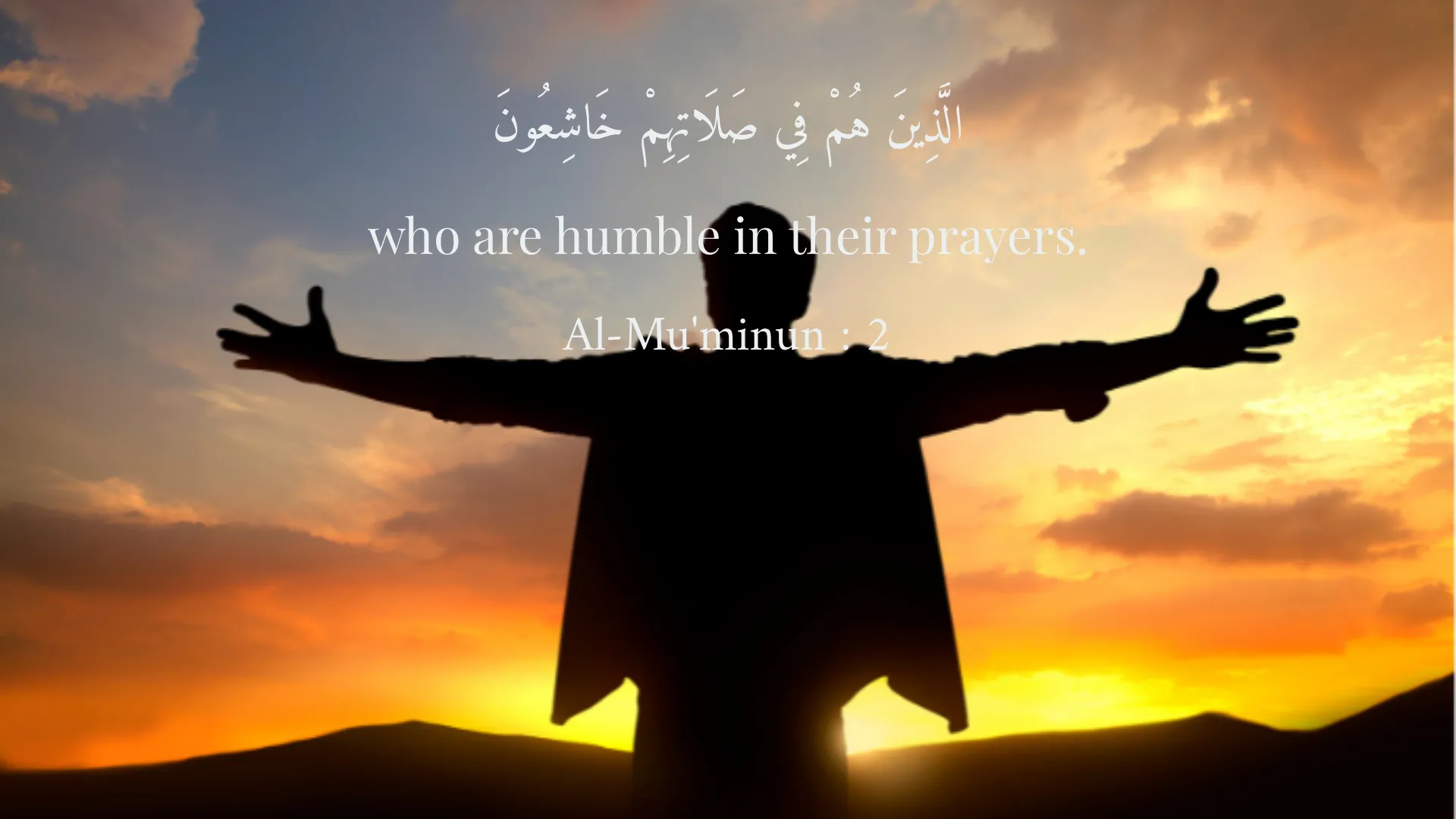
الَّذِينَ هُمْ فِي صَلَاتِهِمْ خَاشِعُونَ
who are humble in their prayers.
Al-Mu'minun : 2
إِنَّا أَنزَلْنَا إِلَيْكَ الْكِتَابَ بِالْحَقِّ فَاعْبُدِ اللَّهَ مُخْلِصًا لَّهُ الدِّينَ
Indeed, We have sent down to you the Book with truth, so worship Allah, [being] sincere to Him in religion.
Az-Zumar : 2
أَفَلَا يَتَدَبَّرُونَ الْقُرْآنَ أَمْ عَلَىٰ قُلُوبٍ أَقْفَالُهَا
Then do they not reflect upon the Qur'an, or are there locks upon [their] hearts?
Muhammad : 24
الَّذِينَ آمَنُوا وَتَطْمَئِنُّ قُلُوبُهُم بِذِكْرِ اللَّهِ ۗ أَلَا بِذِكْرِ اللَّهِ تَطْمَئِنُّ الْقُلُوبُ
Those who have believed and whose hearts are assured by the remembrance of Allah. Unquestionably, by the remembrance of Allah hearts are assured.
Ar-Ra'd : 28
Short Story
In a garden of time, a wise man observed two worshippers. One prayed swiftly and hastily, as if eager to finish. The other prayed calmly and contemplatively, with tears flowing down his cheeks. The wise man asked the second worshipper, "Why is your prayer of such a state?" He replied, "I see myself standing before the King of Kings. How can I rush or become heedless of Him, while I am in His presence?" This small tale illustrates that the difference in worship lies not in its outward form, but in its inner essence and the presence of the heart; one was like a hurried laborer seeking his wage, and the other like a lover yearning for union.