Quranic Answer
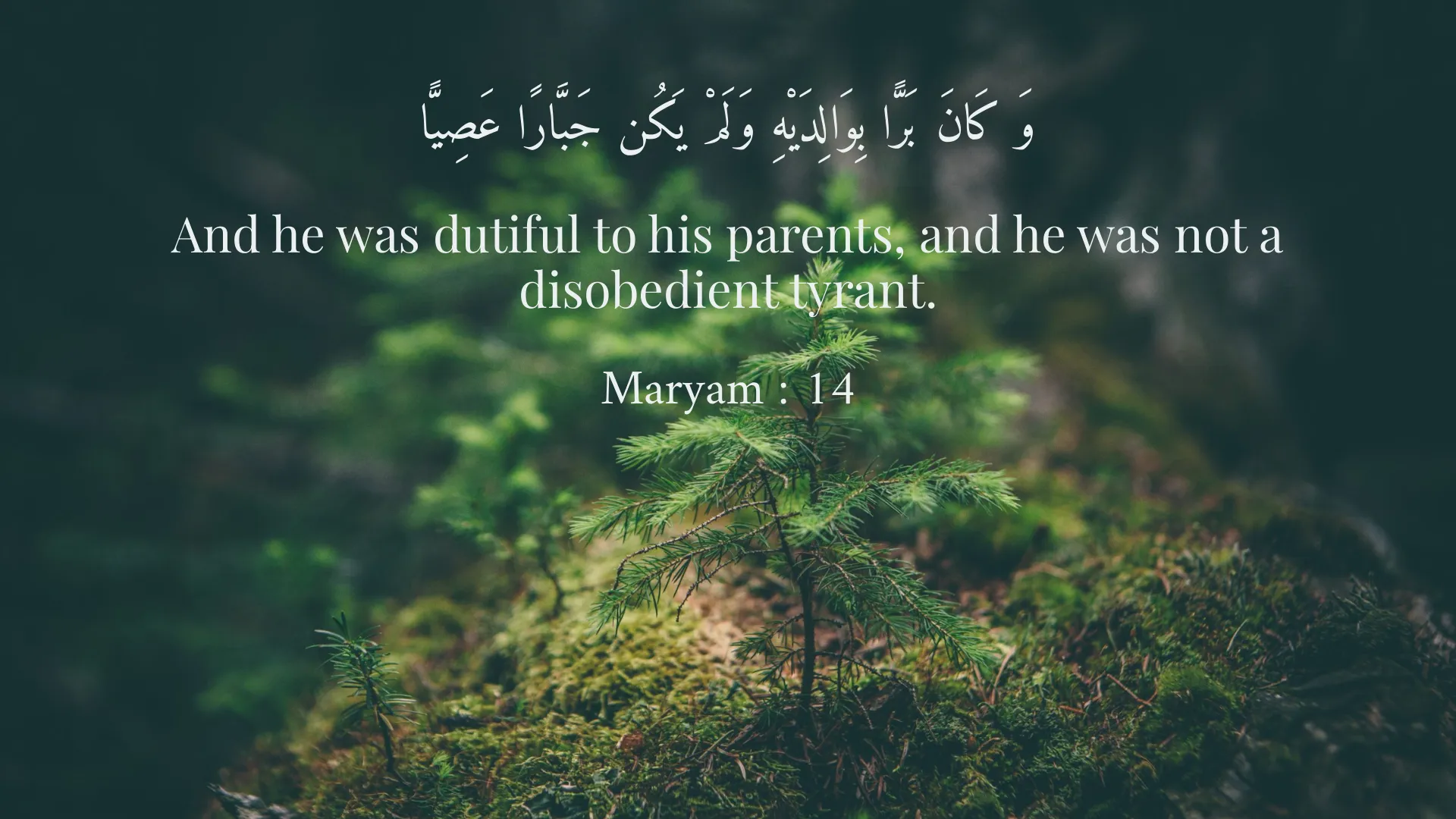
In the Holy Quran, the importance of kindness and compassion towards others is clearly highlighted as central to the ethos of Islamic teachings. This message is woven intricately throughout the text, serving not only as guidance for individual conduct but also as a foundational principle for the community as a whole. In Surah Maryam, verse 14, Allah states: "And he was dutiful to his parents, and he was not a disobedient tyrant." This verse emphasizes the value of benevolence, particularly towards parents, reflecting a broader expectation of kindness towards all individuals. The nature of this passage suggests that such qualities are not only desirable but essential, further reinforcing the gravity of compassion in human interactions. Moreover, compassion is not limited to familial relationships. In Surah Al-Imran, verse 159, Allah commands the Prophet Muhammad (PBUH) to engage with the people in a spirit of gentleness: "So by mercy from Allah, [O Muhammad], you were lenient with them." This directive underlines the significance of mercy and soft-heartedness in leadership and interpersonal relations, suggesting that divine mercy is a key source of kindness. The Prophet, as an exemplar of human conduct, is portrayed as someone whose attributes inspire love and respect in others, reminding followers that tenderness and compassion can indeed cultivate deeper connections among people. Communicating these values requires more than mere acknowledgment; it demands active engagement. According to Islamic teachings, the act of being compassionate towards others includes recognizing and addressing their problems and needs. This can be manifested in myriad ways: through listening attentively, communicating effectively, offering aid, and striving consistently to bring comfort and peace into the lives of others. For instance, if a friend is navigating a particularly difficult time—a loss, personal crisis, or other struggles—reaching out to understand their situation and extending a helping hand can make a profound difference in their lives. Small acts of kindness, such as a simple message of support or a gesture of empathy, can serve as critical forms of compassion that signify a commitment to the well-being of others. Furthermore, in Surah Al-Baqarah, verse 177, Allah makes clear that true righteousness transcends mere rituals of worship: "Righteousness is not that you turn your faces toward the east or the west, but [true] righteousness is in one who believes in Allah, the Last Day, the Angels, the Book, and the Prophets." This profound declaration elucidates that the essence of righteousness encompasses ethical behavior towards fellow humans, underscoring that engaging in acts of kindness and empathy is paramount in one's faith. It emphasizes that a comprehensive understanding of religion must encompass ethical conduct alongside spiritual obligations. The importance of kindness and compassion extends further into the broader societal context. It fosters environments where mutual respect and understanding can flourish. In an increasingly disconnected world, where technology often masks personal interactions, the call for compassion grows ever more relevant. By embodying these values, Muslims can significantly impact their communities, promoting peace and harmony through acts of kindness and understanding. Moreover, the practice of compassion is not merely a theoretical concept; it invites us to engage in practical applications of faith. The Islamic tradition encourages the implementation of charitable acts (Sadaqah) as a manifestation of compassion. Charity in Islam is not only a legal obligation (Zakat) but also a voluntary practice that reinforces the bonds between community members. It embodies the belief in sharing one's blessings and resources to alleviate the suffering of others. Helping the less fortunate, providing for orphans, and supporting community initiatives are all integral aspects of this compassionate approach to life. The example of the Prophet Muhammad (PBUH) remains a beacon of guidance for Muslims striving to live a compassionate life. His interactions with people from all walks of life showcased a model steeped in empathy, patience, and understanding. The narratives surrounding his life indicate that he sought to create a society that valued kindness, thus aligning individual character with community welfare. This relationship between individual actions and broader societal implications is integral to understanding the essence of kindness as depicted in Islam. In conclusion, kindness and compassion are not optional extras in the framework of Islamic faith; they are indispensable components that define a true believer’s life. The clear exhortations found in the Quran serve as continuous reminders that love, tolerance, and empathy are foundational virtues to nurture within our hearts. As we navigate our personal journeys and strive to be instruments of change in our communities, may we always carry the lessons of kindness and compassion at the forefront of our actions. Cultivating these values enriches our lives and promotes a more peaceful, understanding, and compassionate world, fulfilling not just our obligations as Muslims, but our shared humanity. Through intentional efforts to exhibit compassion, we not only uplift others but also cultivate a more profound sense of fulfillment and purpose within ourselves.
Related Verses
وَ كَانَ بَرًّا بِوَالِدَيْهِ وَلَمْ يَكُن جَبَّارًا عَصِيًّا
And he was dutiful to his parents, and he was not a disobedient tyrant.
Maryam : 14
فَبِمَا رَحْمَةٍ مِّنَ اللّهِ لِنتَ لَهُمْ
So by mercy from Allah, [O Muhammad], you were lenient with them.
Al-Imran : 159
لَيْسَ الْبِرَّ أَن تُوَلُّوا وُجُوهَكُمْ قِبَلَ الْمَشْرِقِ وَالْمَغْرِبِ وَلَـكِنَّ الْبِرَّ مَن آمَنَ بِاللَّهِ وَالْيَوْمِ الْآخِرِ وَالْمَلَائِكَةِ وَالْكِتَـٰبِ وَالنَّبِيِّينَ
Righteousness is not that you turn your faces toward the east or the west, but [true] righteousness is in one who believes in Allah, the Last Day, the Angels, the Book, and the Prophets.
Al-Baqarah : 177
Short Story
One day, Maryam, a kind girl, always helped others. She knew that with a simple smile or a comforting word, she could brighten someone's day. One day, she visited her grandmother and sat beside her, listening to her stories, which made her heart happy. Maryam realized that being compassionate towards others not only improves their lives but also fills her own life with love and happiness.