Quranic Answer
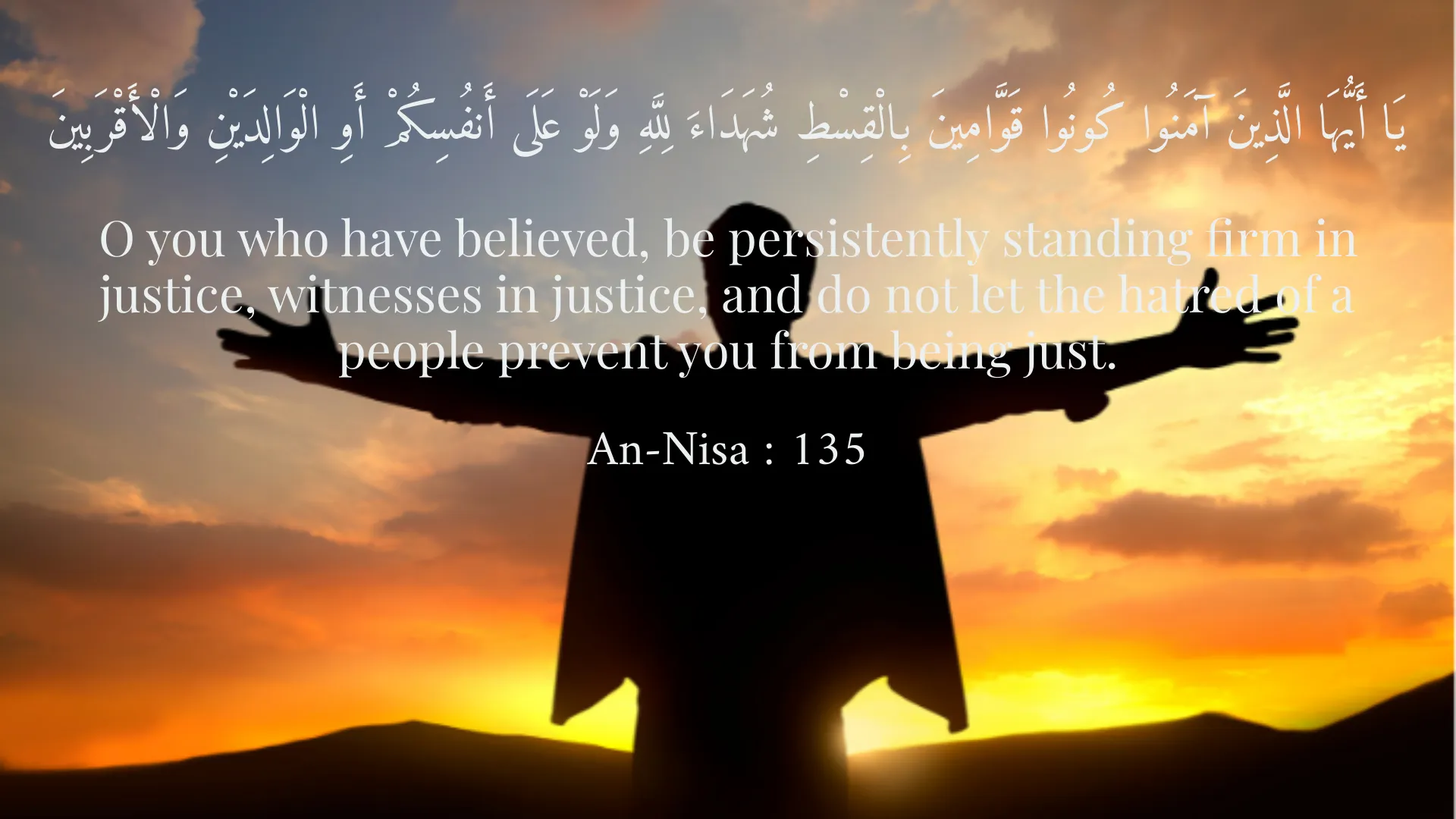
The concept of 'Haq al-Nas,' which translates to the rights of others, plays a significant role in fostering social harmony and individual morality within Islamic teachings. It embodies the responsibility that every individual has towards their fellow human beings, a principle that is profoundly emphasized in the Holy Quran. To better understand the importance of these rights, it is essential to recognize that all humans are interconnected. The respect and protection of others' rights is not merely a religious obligation; it is also a social and humanitarian necessity. This interconnectedness highlights the essence of community, as it promotes mutual respect and understanding across diverse cultures and backgrounds. The Holy Quran serves as a guiding force in shaping the values and behaviors of individuals in society. Various verses illustrate Allah's commandments that prompt believers to act justly and equitably amongst themselves. For example, in Surah An-Nisa, verse 135, Allah declares: 'O you who have believed, be persistently standing firm in justice, witnesses in justice, and do not let the hatred of a people prevent you from being just.' Here lies a crucial lesson: justice must prevail irrespective of personal biases or hatred. This verse encapsulates the essence of the Haq al-Nas principle, teaching that justice is imperative and, at times, can be challenging when it challenges individual prejudices. Another significant verse that reinforces this notion is found in Surah Al-Ma'idah, verse 8. It states: 'O you who have believed, be persistently standing firm in justice, witnesses for Allah, even if it be against yourselves or your parents or relatives.' This instruction emphasizes that maintaining justice is a universal duty transcending familial ties and personal interests. The Quran compels believers to uphold fairness and protect the rights of others, regardless of the costs or implications involved. In contemporary society, the importance of Haq al-Nas cannot be overstated. In a world marked by division, conflict, and inequality, the teachings of Islam regarding the rights of others provide a framework for negotiation and reconciliation. Understanding the implications of Haq al-Nas encourages individuals to approach disputes with a mindset of empathy and compassion, rooting their efforts in the idea that everyone deserves fairness d regardless of their background, beliefs, or actions. To become more sensitive to the rights of others, individuals must strive to cultivate an understanding and commitment to both Islamic and humanitarian values. This requires a reflective process, where one constantly evaluates their actions and attitudes towards others. Kindness, transparency, and active communication should form the basis of interactions with people from all walks of life. Actively listening to others, advocating for their rights, and working towards a more equitable society embodies the true essence of Haq al-Nas. Moreover, educating oneself and others about the significance of these rights is essential in disseminating awareness within communities. Holding dialogues on issues surrounding justice, equity, and compassion fosters a more harmonious and respectful atmosphere. Having open discussions about the implications of neglecting the rights of others can lead to a deeper understanding of the collective responsibility each person holds towards their community. Furthermore, engaging in community service activities or initiatives that aim for social justice enables individuals to put their values into action. Such actions not only benefit the society at large but also nurture personal growth, reinforcing the principles articulated by Islam regarding the rights of others. When individuals volunteer their time and resources towards uplifting members of their communities, they not only honor the divine edicts set forth in the Quran but also embody the true spirit of humanitarianism. Additionally, the concept of accountability is a vital component in understanding Haq al-Nas. Muslims believe that every person will be held accountable for their deeds and interactions with others, be they positive or negative. This sense of accountability serves as a reminder for individuals to uphold the moral standards set by Islam, thereby respecting the rights entrusted to them. Recognizing the consequences of one's actions cultivates a more conscientious society where each individual is aware of their role in invoking change. In conclusion, the rights of others, or Haq al-Nas, is a cornerstone of Islamic teachings that emphasizes the significance of justice, empathy, and community cohesion. The Quran’s directives not only outline the responsibilities of believers toward one another but also offer profound wisdom that can foster a more compassionate and equitable world. By striving for a deeper understanding of these teachings and actively engaging in practices that uphold the rights of others, individuals can contribute significantly to building a just and harmonious society. The virtues of kindness, justice, and transparency should not be seen merely as religious duties but as essential human qualities that lead to the improvement of the collective human experience. In essence, to live by the principles of Haq al-Nas is to commit to a life that honors the dignity, rights, and humanity of every person we encounter, ultimately nurturing a more peaceful and just world.
Related Verses
يَا أَيُّهَا الَّذِينَ آمَنُوا كُونُوا قَوَّامِينَ بِالْقِسْطِ شُهَدَاءَ لِلَّهِ وَلَوْ عَلَى أَنفُسِكُمْ أَوِ الْوَالِدَيْنِ وَالْأَقْرَبِينَ
O you who have believed, be persistently standing firm in justice, witnesses in justice, and do not let the hatred of a people prevent you from being just.
An-Nisa : 135
يَا أَيُّهَا الَّذِينَ آمَنُوا كُونُوا الْقَوَّامِينَ لِلَّهِ شُهَدَاءَ بِالْقِسْطِ وَلَوْ عَلَى أَنفُسِكُمْ
O you who have believed, be persistently standing firm in justice, witnesses for Allah, even if it be against yourselves.
Al-Ma'idah : 8
Short Story
One day, a man named Ahmad decided to pay more attention to the rights of others. He remembered that he should treat others with fairness and justice. He drew inspiration from the Quran and resolved to make efforts every day to take steps toward love and respect for others' rights. Over time, he noticed that his community responded positively to this behavior, and everyone interacted with each other with greater kindness.