Quranic Answer
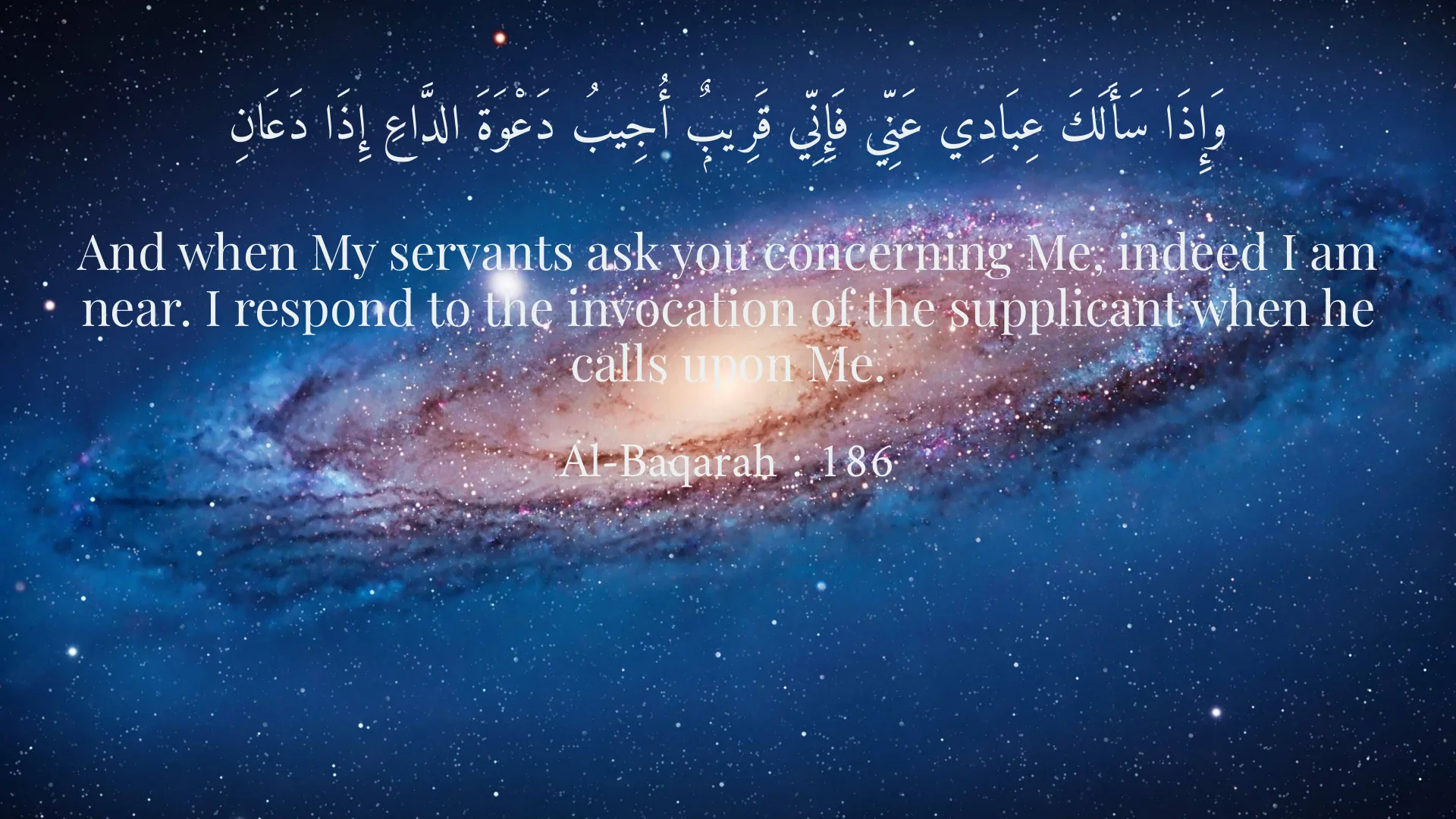
Supplication and prayer (dua) hold a significant place in the Islamic faith, particularly as articulated in the Quran. These acts of communication with God are not merely ritualistic practices; they encapsulate a deep spiritual relationship with the Divine. The Quran recognizes supplication as one of the most effective means of seeking guidance, help, and solace from Allah. The importance of prayer is detailed through various verses that reassure believers of God's presence, mercy, and readiness to listen. Central to the understanding of supplication in Islam is the well-known Surah Al-Fatiha, which is recited in every unit of the Muslim prayer (Salah). This surah, often referred to as the 'Opening' of the Quran, embodies the essence of a believer's plea to God. In this sacred chapter, believers seek guidance by asking for help to follow the straight path, the path of those who have received God's favor, rather than the path of those who have gone astray. This direct communication is fundamental to a Muslim’s relationship with God, illustrating the human need for divine guidance and support in navigating the complexities of life. Additionally, it is essential to recognize Surah Al-Baqarah, specifically verse 186, where Allah promises that He is near and responsive to His servants' prayers: "And when My servants ask you concerning Me, indeed I am near. I respond to the invocation of the supplicant when he calls upon Me." This verse is a powerful reminder of God's accessibility and attentiveness. It emphasizes that believers do not need intermediaries; instead, they can communicate directly with Allah. The assurance that God hears and answers prayers instills hope and faith among Muslims, encouraging them to invoke His name in all matters. To truly benefit from the Quranic supplications, Muslims are encouraged to dedicate their time to reciting the Quran regularly. This daily practice not only strengthens their connection with the Divine but also serves as a means of reflection and personal growth. Just as each prayer fulfills a specific purpose, certain surahs offer unique prayers and lessons. For instance, Surah Al-Muzzammil encourages believers to seek tranquility through consistent worship and prayer, emphasizing the importance of standing in prayer during the night as a means of elevating one's spirituality. Moreover, Surah Ta-Ha provides insight into the importance of invoking God in moments of uncertainty. The verses related to the story of Moses illustrate how, through supplication, one can find clarity and reassurance in times of trial. This narrative resonates with many believers who may feel lost at times, reminding them that turning to Allah can illuminate their path forward. As beneficial as these prayers are, it is vital to approach supplication with sincerity and a focused heart. The intention behind the supplication is paramount; it must stem from a place of genuine longing for God's guidance and help. This sincere approach ensures that the connection between the supplicant and God is authentic, thereby enhancing the spiritual experience of prayer. Muslims believe that when prayers are performed with pure intentions, they are more likely to be accepted, reinforcing the bond with the Divine. Beyond seeking help and guidance, supplication in the Quran also has healing properties. It comforts the heart, providing solace during tumultuous times. The act of praying allows believers to express their fears, hopes, and desires openly, acknowledging their dependence on God. This dynamic fosters a nurturing relationship with Allah, where believers feel embraced by His mercy and forgiveness. Moreover, the act of supplication promotes humility. In Islam, everything is ultimately in God’s hands, and by frequently seeking His guidance and support, believers cultivate an understanding of their limitations and vulnerabilities. Such humility not only enriches their spiritual experience but also enhances their interactions with others, instilling patience and compassion. Abundant knowledge can be gained from the supplications found in the Quran. By immersing themselves in the meaning and history behind these prayers, believers learn valuable lessons applicable to their everyday lives. Understanding the context of specific prayers can also deepen their faith, allowing them to draw parallels between their struggles and the experiences of the prophets. For example, the struggles faced by the Prophet Job in Surah Sad and his prayer for relief from suffering serve as an inspiring testament to resilience and faith. Ultimately, supplication and prayer in the Quran embody a direct and intimate connection with God. It is through this sacred practice that believers can navigate their complexities, find comfort in times of distress, and make decisions guided by divine wisdom. By integrating these Quranic teachings into their lives, Muslims can accumulate profound spiritual wealth, fostering a life rich in meaning and connection. Therefore, dedicating a portion of each day to supplication and reflection on the Quran is not merely an obligation; it is a cherished opportunity to nurture a closer relationship with the Creator and cultivate spiritual growth in all aspects of life.
Related Verses
وَإِذَا سَأَلَكَ عِبَادِي عَنِّي فَإِنِّي قَرِيبٌۭ أُجِيبُ دَعْوَةَ الدَّاعِ إِذَا دَعَانِ
And when My servants ask you concerning Me, indeed I am near. I respond to the invocation of the supplicant when he calls upon Me.
Al-Baqarah : 186
بِسْمِ اللَّهِ الرَّحْمَـٰنِ الرَّحِيمِ
In the name of Allah, the Most Gracious, the Most Merciful.
Al-Fatiha : 1
وَإِنَّهُ لَقَدْ قَالَ لَهُمُ تَحَدُّوا مَنْ أَجَابَ الْمُؤْمِنِينَ
And indeed he said to them: Who will respond to the believers?
Al-Mu'minun : 12
Short Story
One day, a young man named Hasan was searching for peace. He decided to read a part of the Quran and make supplications daily. He noticed that with each prayer, he felt closer to God. By reciting Quranic supplications, Hasan found a special comfort and observed positive results in his life.