Quranic Answer
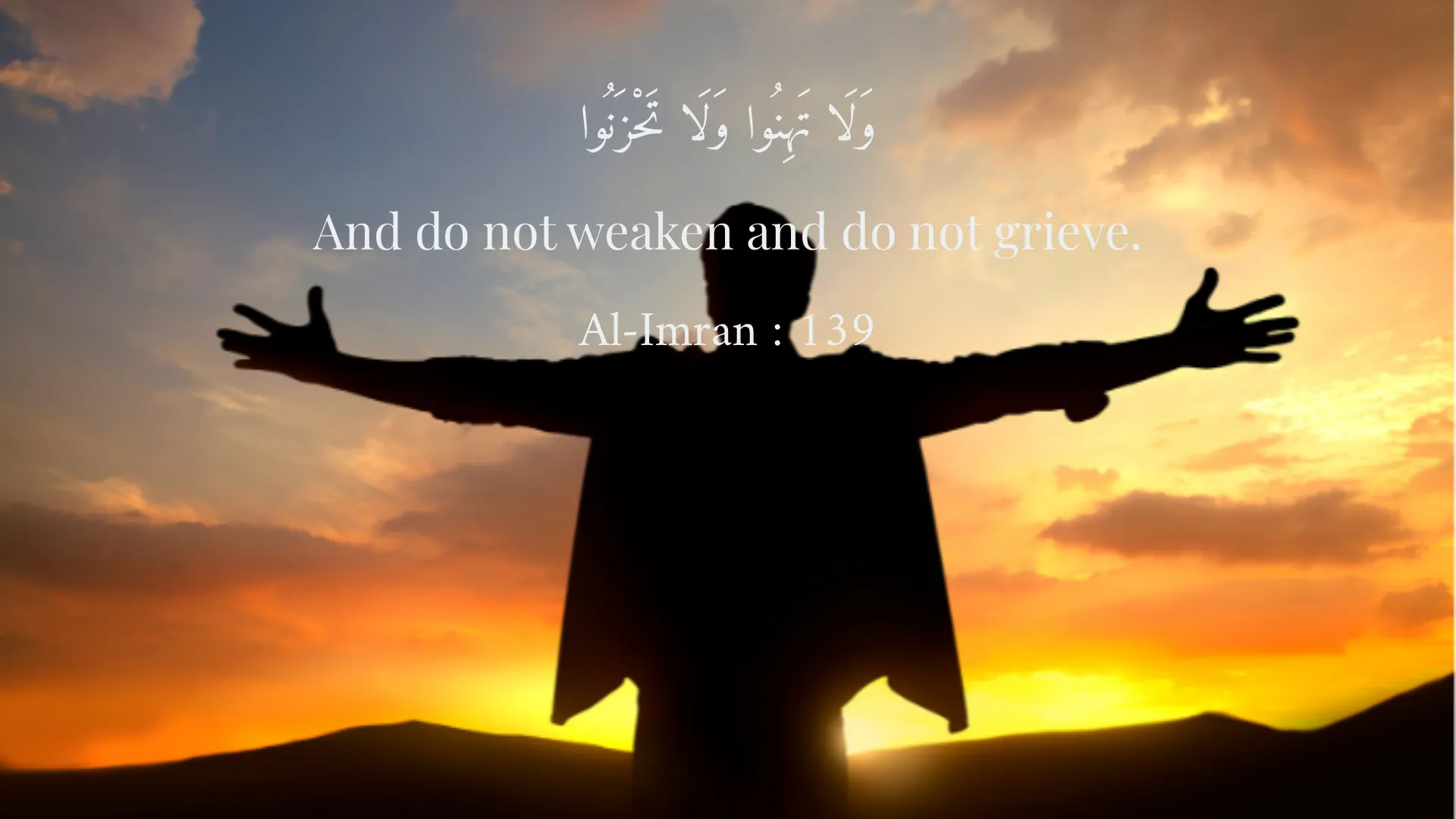
Self-confidence is one of the most important factors for success in life, and the Holy Quran speaks explicitly about confidence and self-esteem. In many ways, self-confidence can be viewed as a foundational element that underpins various aspects of an individual's life, including career, relationships, and personal growth. When an individual possesses self-confidence, they are more likely to take risks, pursue their goals, and persevere through challenges. The profound teachings found in the Holy Quran offer valuable insights that can help individuals cultivate self-confidence and a robust sense of self-esteem. One of the first actions to boost self-confidence is self-awareness. Self-awareness involves understanding one's strengths, weaknesses, emotions, and motivations. It is the process of reflecting on oneself and recognizing what makes us unique. In Surah Al-Imran, verse 139, Allah states: 'And do not weaken and do not grieve,' which serves as a reminder for believers not to succumb to feelings of powerlessness in the face of adversity. This verse encourages us to develop a strong inner resolve; it asks us to acknowledge our struggles while also reminding us that we are capable of overcoming them. Understanding this divine command can empower individuals to harness their willpower and recognize their potential, thereby fostering self-confidence. Moreover, the Quran teaches that life is filled with tests and challenges. In Surah Muhammad, verse 31, Allah mentions that trials are part of the human experience, meant to test our faith and character. These experiences, while often uncomfortable, serve a crucial purpose in shaping who we are. Embracing this concept can help individuals develop resilience and view obstacles as opportunities for growth, rather than reasons for self-doubt. By facing challenges head-on and learning from these experiences, we can cultivate a stronger sense of self-confidence. Another significant verse regarding self-confidence can be drawn from Surah Al-Baqarah, verse 286, where Allah assures us that 'Allah does not burden a soul beyond that it can bear.' This verse is a powerful reminder that each individual possesses unique strengths and abilities that can help them navigate their life journey. By recognizing that we are equipped to handle the challenges that arise in our lives, we can begin to trust ourselves more. This self-trust is crucial for developing self-confidence, as it reinforces the belief that we can manage adversity, pursue our goals, and achieve success despite setbacks. In conjunction with these teachings, prayer and supplication can be beneficial tools in the journey toward enhanced self-confidence. Engaging in regular communication with Allah allows individuals to seek guidance, support, and strength. By asking for assistance, Muslims can reinforce their connection to their faith and gain a deeper sense of trust in themselves and their abilities. Prayer acts as a form of self-reflection, providing individuals with the opportunity to assess their thoughts and feelings, and to reinforce their commitment to personal growth. Additionally, maintaining a positive social circle can play an essential role in boosting self-esteem. Interacting with positive, supportive individuals fosters an environment conducive to personal development. Surrounding oneself with people who encourage and uplift can greatly enhance our perception of self-worth. This social support can help individuals feel more validated and confident in their abilities. Furthermore, engaging with mentors or role models who exemplify self-confidence can provide valuable insights and inspiration, leading to personal growth. Building self-confidence is often a gradual process that requires intentional effort and self-compassion. One effective strategy for individuals seeking to enhance their self-esteem is setting small, attainable goals. Achieving these goals, no matter how minor, provides a sense of accomplishment that can boost self-confidence over time. It is essential to celebrate these victories, as acknowledging our progress, no matter how small, reinforces a positive self-image. Moreover, individuals should strive to practice self-compassion. It is vital to be kind to ourselves in moments of failure or doubt. The Quran underscores the importance of mercy and compassion, not only towards others but also towards ourselves. By cultivating a compassionate mindset, individuals can learn to accept their imperfections, and instead of dwelling on failures, focus on the lessons learned and the efforts made. This self-acceptance contributes significantly to a strong and resilient sense of self-confidence. Another way to foster self-confidence is through continued learning and skill development. Engaging in educational pursuits, whether formal or informal, can enhance an individual's knowledge base and skill set, thereby increasing self-efficacy. When we feel competent in our abilities, our confidence naturally strengthens. This notion ties into the Quranic principle of striving for knowledge and personal development, which is encouraged throughout its teachings. In conclusion, self-confidence is a pivotal aspect of personal and professional success, and the Holy Quran provides profound guidance on how to cultivate this essential trait. By embracing self-awareness, viewing challenges as opportunities, practicing prayer and supplication, engaging with positive individuals, and fostering a compassionate mindset, individuals can significantly enhance their self-esteem. Moreover, striving for continuous learning and small achievements contributes to a more robust sense of self-confidence. Ultimately, through these methods, we can build a foundation of self-assuredness that not only helps us face life's challenges but also empowers us to pursue our dreams with determination and faith.
Related Verses
وَلَا تَهِنُوا وَلَا تَحْزَنُوا
And do not weaken and do not grieve.
Al-Imran : 139
لَا يُكَلِّفُ اللَّهُ نَفْسًا إِلَّا وُسْعَهَا
Allah does not burden a soul beyond that it can bear.
Al-Baqarah : 286
وَلَنَبْلُوَنَّكُمْ بِشَيْءٍ مِّنَ الْخَوْفِ وَالْجُوعِ
And We will surely test you with something of fear and hunger.
Muhammad : 31
Short Story
One day, a man named Mehdi decided to strengthen his self-confidence. He stood in front of the mirror, looked at himself, and resolved to identify his strengths and weaknesses. Every day, Mehdi would express gratitude for the blessings Allah had given him while also connecting with people who motivated him. Over time, with the guidance of the Quranic verses, he was able to achieve a level of confidence greater than he ever thought possible.