Quranic Answer
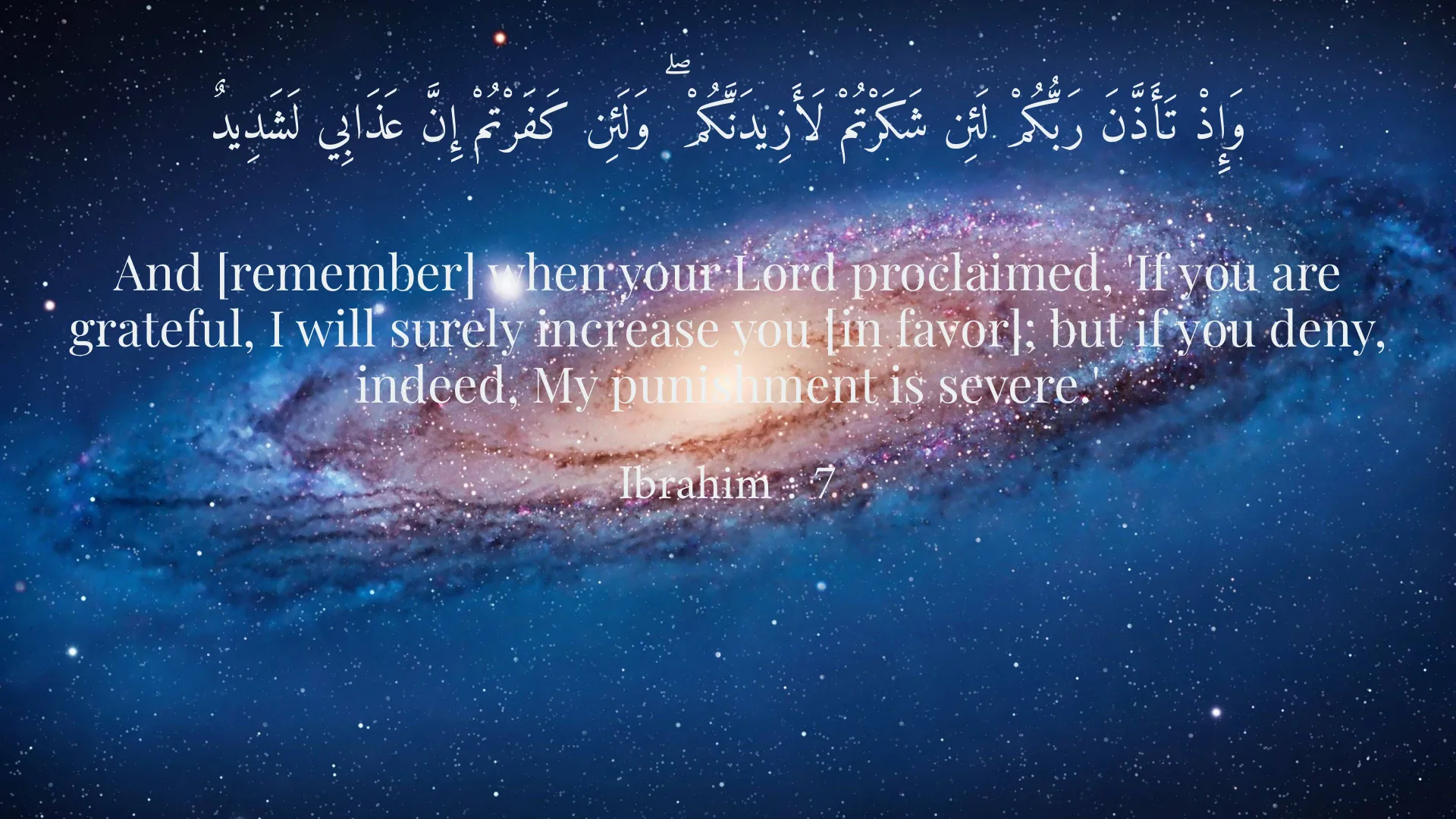
The question of how one can consider oneself "worthy" of God's blessings is profound and touches upon the very essence of a believer's relationship with the Divine. In Islam, the concept of "worthiness" is not about earning Allah's blessings in a transactional sense, as if one's deeds could ever fully repay or obligate God. Rather, Allah's blessings are an overflowing manifestation of His boundless mercy, generosity, and love (Ar-Rahman, Ar-Rahim, Al-Wahhab). Every breath we take, every beat of our heart, every ray of sunshine, every drop of water – these are all unearned blessings from the Creator. Therefore, the approach is not to establish "worthiness" as a precondition for receiving, but rather to cultivate a state of being that is receptive to His blessings, appreciative of them, and aligned with His divine will, thereby inviting their continuation and increase. The Quran guides us towards several pathways to foster this receptive state and deepen our connection with Allah, making us more attuned to His continuous bounties: 1. Cultivating Deep Gratitude (Shukr): This is perhaps the most emphasized aspect in the Quran regarding blessings. Allah explicitly states in Surah Ibrahim (14:7), "And [remember] when your Lord proclaimed, 'If you are grateful, I will surely increase you [in favor]; but if you deny, indeed, My punishment is severe.'" This verse succinctly captures the divine promise: gratitude is a direct conduit to increasing blessings. It’s not just a verbal "thank you," but a holistic state of being that recognizes every good thing as a gift from Allah, uses those gifts in ways that please Him, and expresses thanks through words, heart, and action. When we acknowledge the source of all good, our hearts expand, and we become more aware of the countless blessings surrounding us, fostering a positive spiritual loop. This profound awareness shifts our perspective from scarcity to abundance, from entitlement to appreciation. A grateful heart is a magnet for further blessings, not because it "deserves" them more, but because it is in a state of alignment with divine generosity. It signifies that the recipient understands the true value of the blessings and is likely to use them wisely and benevolently, thus fulfilling the purpose for which they were bestowed. 2. Embracing Piety and God-Consciousness (Taqwa): Taqwa, often translated as God-consciousness or piety, involves being mindful of Allah in all aspects of life – obeying His commands and refraining from His prohibitions. It is a shield that protects one from spiritual harm and a key that unlocks divine assistance and provision. Surah At-Talaq (65:2-3) beautifully illustrates this: "And whoever fears Allah – He will make for him a way out And will provide for him from where he does not expect." This verse promises a divine solution to difficulties and unexpected sustenance for those who embody taqwa. When an individual strives to live a life pleasing to Allah, their intentions become purer, their actions more righteous, and their spirit more serene. This alignment with divine principles naturally attracts divine favor and support. Taqwa isn't just about ritualistic worship; it permeates one's character, dealings with others, and internal state. It makes a person reliable, trustworthy, and compassionate, attributes that are inherently blessed. By choosing the path of righteousness, one is essentially preparing their vessel to receive and hold greater blessings, as the heart and mind become purified from worldly attachments and focused on the eternal. 3. Seeking Forgiveness and Repentance (Istighfar and Tawbah): No human is perfect; we all make mistakes and fall short. Recognizing our imperfections and turning to Allah in sincere repentance (Tawbah) and seeking forgiveness (Istighfar) is a powerful means of cleansing the soul and opening doors to divine blessings. The Quran recounts Prophet Nuh's advice to his people in Surah Nuh (71:10-12): "And [I] said, 'Ask forgiveness of your Lord. Indeed, He is ever a forgiving God. He will send [rain from] the sky upon you in [continuing] showers and give you increase in wealth and children and provide for you gardens and provide for you rivers.'" This highlights a direct correlation between seeking forgiveness and receiving material and spiritual blessings. Repentance is not a sign of weakness but of strength – the strength to acknowledge one's faults, the humility to seek divine mercy, and the resolve to change. When we purify ourselves from sins, our hearts become softer, our spirits lighter, and our connection with Allah stronger, making us more receptive to His grace. It's like clearing out debris from a garden to allow new, vibrant growth. A heart burdened by sin struggles to appreciate or even perceive blessings, whereas a purified heart is open and ready. 4. Performing Good Deeds and Benefiting Others (Ihsan and Sadaqah): The Quran encourages believers to excel in good deeds (Ihsan) and spend in charity (Sadaqah). "Indeed, Allah loves the doers of good" (Al-Baqarah 2:195). When we use the blessings we have been given to benefit others – whether through financial charity, kind words, sharing knowledge, or simply being a source of comfort – we are, in essence, multiplying those blessings. Giving generously with a pure intention does not diminish one's wealth but purifies and increases it, often in unforeseen ways. The act of giving reflects a heart that understands the temporary nature of worldly possessions and seeks eternal reward. It also demonstrates trust in Allah's provision – knowing that by giving, one is not losing, but investing in a divine economy where returns are guaranteed and multiplied. Good deeds cultivate a positive ripple effect in society and in one's personal life, attracting Allah's pleasure and favor. 5. Trusting in Allah (Tawakkul) and Supplicating (Du'a): Having complete reliance on Allah, understanding that He is the ultimate provider and sustainer, and then actively asking Him for what one desires, are crucial components. Tawakkul is not passive resignation but an active trust combined with effort. Du'a is the essence of worship, a direct conversation with the Creator, expressing our needs, hopes, and gratitude. Allah loves those who turn to Him in supplication and has promised to answer. While not every specific request may be granted exactly as wished, Du'a always brings blessings, whether in the form of what was asked for, warding off a greater harm, or storing it for the Hereafter. This constant communication fosters a sense of closeness and strengthens the conviction that one is always under divine care. In conclusion, feeling "worthy" of Allah's blessings is less about an innate entitlement and more about cultivating a dynamic, evolving relationship with Him. It's about striving to be a grateful, pious, repentant, benevolent, and trusting servant. It's about recognizing that every blessing is a gift, and our role is to receive it with humility, use it wisely, and appreciate its Divine source. By living a life that reflects these values, a believer naturally positions themselves to receive, appreciate, and sustain Allah's infinite bounties, understanding that His generosity precedes and exceeds any human "worthiness." The journey is one of continuous self-improvement and turning back to Allah, confident in His mercy and abundant provision, rather than dwelling on perceived unworthiness. Every effort towards goodness is acknowledged by Him, and every sincere gesture of gratitude opens another door to His endless grace.
Related Verses
وَإِذْ تَأَذَّنَ رَبُّكُمْ لَئِن شَكَرْتُمْ لَأَزِيدَنَّكُمْ ۖ وَلَئِن كَفَرْتُمْ إِنَّ عَذَابِي لَشَدِيدٌ
And [remember] when your Lord proclaimed, 'If you are grateful, I will surely increase you [in favor]; but if you deny, indeed, My punishment is severe.'
Ibrahim : 7
وَمَن يَتَّقِ اللَّهَ يَجْعَل لَّهُ مَخْرَجًا
And whoever fears Allah - He will make for him a way out
At-Talaq : 2
وَيَرْزُقْهُ مِنْ حَيْثُ لَا يَحْتَسِبُ ۚ وَمَن يَتَوَكَّلْ عَلَى اللَّهِ فَهُوَ حَسْبُهُ ۚ إِنَّ اللَّهَ بَالِغُ أَمْرِهِ ۚ قَدْ جَعَلَ اللَّهُ لِكُلِّ شَيْءٍ قَدْرًا
And will provide for him from where he does not expect. And whoever relies upon Allah - then He is sufficient for him. Indeed, Allah will accomplish His purpose. Allah has already set for everything a [decreed] extent.
At-Talaq : 3
فَقُلْتُ اسْتَغْفِرُوا رَبَّكُمْ إِنَّهُ كَانَ غَفَّارًا
And [I] said, 'Ask forgiveness of your Lord. Indeed, He is ever a forgiving God.'
Nuh : 10
يُرْسِلِ السَّمَاءَ عَلَيْكُم مِّدْرَارًا
He will send [rain from] the sky upon you in [continuing] showers
Nuh : 11
وَيُمْدِدْكُم بِأَمْوَالٍ وَبَنِينَ وَيَجْعَل لَّكُمْ جَنَّاتٍ وَيَجْعَل لَّكُمْ أَنْهَارًا
And give you increase in wealth and children and provide for you gardens and provide for you rivers.
Nuh : 12
Short Story
It is narrated in Saadi's Golestan that a wealthy but perpetually worried king once asked a wise scholar: "Why is it that despite my immense wealth and power, I lack peace of mind and feel unworthy at heart, while I see a poor dervish who is joyful and at ease?" The scholar replied: "O King, he possesses a treasure within of which you are unaware. He considers himself a humble servant and a pauper at God's door, and every blessing that comes to him, he sees it as from God's boundless mercy, not from his own worthiness. For this reason, he is grateful, and gratitude is the gateway to peace. But you consider blessings as your right and are always seeking to increase them, and this greed prevents you from realizing the existing bounties. Being worthy in God's presence means knowing that everything you possess is from Him, and for this reason, your heart fills with gratitude and contentment." The king took heed of this advice and endeavored to change his perspective, becoming thankful for every moment and every blessing, and thereafter tasted the true essence of peace.