Quranic Answer
Controlling one’s soul is a profound theme in the Holy Quran, a text that serves as a guide for millions of believers around the world. The significance of mastering one's inner self is not simply a spiritual endeavor, but a comprehensive approach toward leading a life of righteousness, peace, and fulfillment. This article will delve into key Quranic verses that address the importance of controlling one’s soul and how this concept translates into practical actions in an individual's life. One of the most notable references to the idea of self-control is found in Surah Al-Baqarah, verse 183: "O you who have believed, decreed upon you is fasting as it was decreed upon those before you that you may become righteous." The act of fasting, particularly during the holy month of Ramadan, is not solely about abstaining from food and drink; rather, it serves as a comprehensive exercise in self-discipline and soul control. By enduring physical hunger and thirst, individuals are reminded of the significance of their spiritual hunger—the yearning for a higher moral standing and inner peace. Fasting teaches a believer to prioritize their spiritual well-being over worldly desires, emphasizing the notion of piety or Taqwa, which can be interpreted as consciousness of God or self-restraint. Piety, as mentioned in the Quran, is a proactive endeavor that requires both willpower and determination. It is about controlling temptations, seeking self-improvement, and aligning oneself with divine commandments. Moreover, the Quran encourages believers to actively engage in practices that promote a sense of piety. In Surah Al-Imran, verse 133, Allah states, "And hasten to forgiveness from your Lord and a garden as wide as the heavens and the earth, prepared for the righteous." This verse not only alludes to the rewards awaiting those who control their souls but also urges believers to seek forgiveness and righteousness actively. The concept of hastening implies urgency and the necessity to act swiftly in developing one’s character and spiritual state. Allah’s words remind us that controlling one's soul is not just a passive state of being, but an engaging and dynamic process where one consistently strives for improvement. This urgency compels individuals to evaluate their actions regularly, seeking ways to align themselves more closely with divine expectations. Additionally, in Surah Al-Anfal, verse 28, Allah states, "Indeed, your wealth and your children are but a trial, and Allah has with Him a great reward." This verse serves as a critical reminder of the distractions that worldly attachments can create, including the love for wealth and family. While these aspects of life are essential and should not be neglected, it is vital for believers to acknowledge them as trials that can lead them away from true piety if not managed correctly. The Quran thus urges individuals to strike a balance, ensuring that their love for worldly possessions does not eclipse their devotion to God. To successfully navigate this balance, one must actively practice self-control. By observing obligatory acts, such as prayer, charity, and fasting, believers can develop greater mastery over their desires and inclinations. For many, praying five times a day serves as a reminder and a moment of reflection, allowing individuals to reconnect with their faith and nurture their souls. The practice of prayer creates a dialogue between oneself and Allah, fostering an environment for spiritual growth and self-assessment. Prayer is a crucial component of controlling the soul, as it encourages individuals to pause, reflect, and recalibrate their intentions. Moreover, engaging in acts of charity and kindness can profoundly affect one’s ability to control their soul. The Quran consistently underscores the importance of doing good deeds and helping others, which contribute to an individual's sense of fulfillment and purpose. Acts of kindness help in restraining selfish tendencies, as they shift the focus from the self to the well-being of others. When individuals assist those in need, they cultivate empathy and compassion, both of which are essential traits for a righteous life. As believers fulfill their duty to others, they often find that they experience a greater sense of inner peace, which ultimately aids in their journey toward controlling their own souls. Another significant factor in controlling one’s soul is the practice of Dhikr (remembrance of Allah). Engaging in Dhikr allows individuals to remain connected to their Creator at all times. This connection instills peace and tranquility, which can shield one from the chaos of worldly temptations. Through repeated invocations of Allah’s names and attributes, believers reinforce their mindfulness of His presence, thereby enhancing their ability to resist distractions and temptations that lead toward a sinful path. In conclusion, controlling one’s soul is a pivotal aspect of a believer’s journey in the Quran. Through fasting, prayer, acts of charity, and constant remembrance of Allah, individuals can enhance their self-control and lead lives marked by piety and righteousness. The Quran not only emphasizes the importance of this struggle but also provides practical guidance that one can incorporate into their daily lives. As believers heed these divine instructions, they are equipped to navigate the trials of life more effectively, fostering a spiritually enriched existence that leads to inner peace, fulfillment, and ultimately, the reward of paradise. The journey toward soul control is ongoing and requires consistent effort; however, through steadfast commitment to these principles, one can achieve an exceptional level of mastery over their own soul.
Related Verses
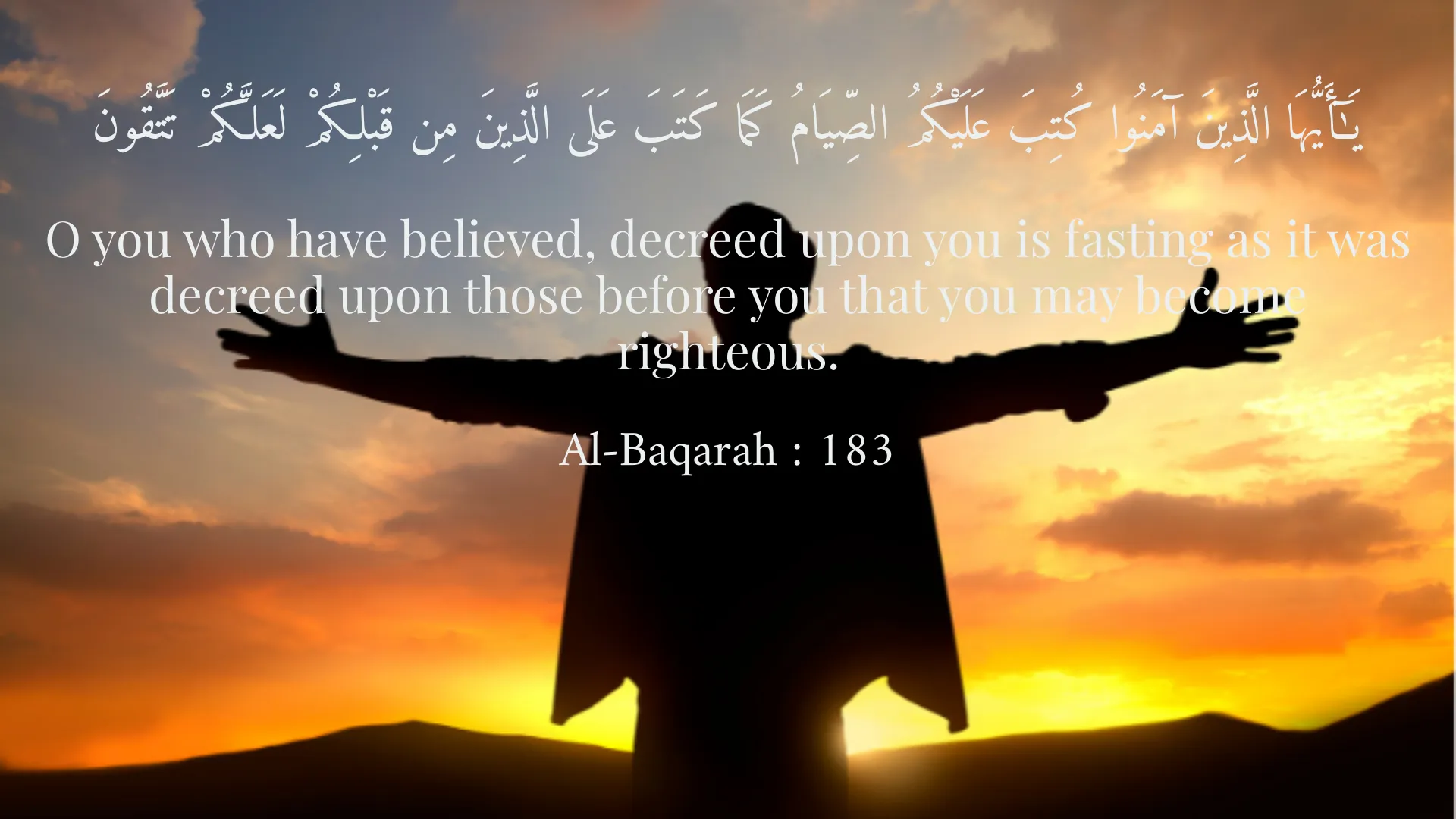
يَـٰٓأَيُّهَا الَّذِينَ آمَنُوا كُتِبَ عَلَيْكُمُ الصِّيَامُ كَمَا كَتَبَ عَلَى الَّذِينَ مِن قَبْلِكُمْ لَعَلَّكُمْ تَتَّقُونَ
O you who have believed, decreed upon you is fasting as it was decreed upon those before you that you may become righteous.
Al-Baqarah : 183
وَسَارِعُوا إِلَى مَغْفِرَةٍ مِّن رَّبِّكُمْ وَجَنَّةٍ عَرْضُهَا السَّمَاوَاتُ وَالْأَرْضُ أُعِدَّتْ لِلْمُتَّقِينَ
And hasten to forgiveness from your Lord and a garden as wide as the heavens and the earth, prepared for the righteous.
Al-Imran : 133
إِنَّمَا أَمْوَالُكُمْ وَأَوْلَادُكُمْ فِتْنَةٌ ۖ وَاللَّهُ عِندَهُ أَجْرٌ عَظِيمٌ
Indeed, your wealth and your children are but a trial, and Allah has with Him a great reward.
Al-Anfal : 28
Short Story
One day, a man named Hassan went to the market. He always struggled to control his soul against temptations. Suddenly, he remembered a verse from the Quran that said: 'Overcome your temptations.' Hassan returned home and decided to take control over his soul with a focus on this verse and by performing good deeds. He felt much more peaceful and was able to overcome worldly temptations.