Quranic Answer
In the face of painful experiences, which are an inseparable part of the human journey, the teachings of the Holy Quran offer profound and insightful guidance. They instruct us not merely to endure suffering, but to transform these hardships into opportunities for growth, transformation, and inspiration. The Quran reveals that every pain and struggle, when viewed with a monotheistic and patient perspective, can become a gateway to divine wisdom and spiritual elevation. This approach not only helps individuals overcome despair and hopelessness but also equips them with a source of inner strength and deep insight. Foremost among the Quranic principles in this regard is the concept of 'Ibtila' or divine test. The Quran repeatedly emphasizes that worldly life is a stage of trial and examination, and difficulties and adversities are an integral part of this test. These trials are not meant to torment humans but to distinguish the truthful from the false, identify the truly patient, and elevate the ranks of believers. In Surah Al-Baqarah, verse 155, Allah states: 'And We will surely test you with something of fear and hunger and a loss of wealth and lives and fruits, but give good tidings to the patient.' This verse clearly indicates that hardships are inevitable, but the perspective that they come from God and serve a higher purpose transforms our view of pain. This understanding—that sufferings are not meaningless but part of a larger divine plan for our growth and perfection—is itself a tremendous source of inspiration and resilience. The second key principle is 'Sabr' or patience. In the Quran, patience is not passive endurance but active steadfastness, perseverance in the path of truth, and refraining from complaint in the face of divine decrees. Patience grants individuals the ability to maintain their inner peace amidst storms and to remain steadfast in their devotion. Surah Al-Baqarah, verse 153, states: 'O you who have believed, seek help through patience and prayer. Indeed, Allah is with the patient.' This verse demonstrates that patience and prayer (i.e., continuous connection with Allah) are vital tools for confronting difficulties. Drawing inspiration from pain is achieved through patience, for patience allows us to delve deep within ourselves to find a hidden strength that only emerges when challenged. This power is the will of Allah manifested within the human being, enabling them to build a phoenix of hope and insight from the ashes of suffering. Being patient means accepting what we cannot change and striving to change what we can, all while entrusting our hearts to Allah. This process is inherently inspiring because it shows that humans can act beyond their apparent limitations. The third principle is 'Tawakkul' or complete reliance on Allah. When an individual understands that all affairs are in His hands and that He is the Most Merciful of the merciful, they can find peace even in the midst of extreme pain and hardship. This reliance means complete submission to the divine will, with the belief that Allah never abandons His servants and that whatever He ordains for them is ultimately for their best, even if it appears unpleasant. Surah At-Talaq, verse 3, states: 'And whoever relies upon Allah – then He is sufficient for him.' This peace derived from reliance on God allows individuals to move beyond being passive victims and become active observers who view their experiences from a distance, extracting lessons from them. This shift in perspective is the primary inspiration; an inspiration that stems not from an external source but from the depths of faith and connection with the Creator, empowering individuals to transform every wound into a star in the firmament of their being. The fourth concept is 'Shukr' or gratitude. It might seem strange at first how one can be grateful amidst pain. However, the Quran teaches us to always seek hidden blessings and lessons embedded within every calamity. Gratitude shifts a person's focus from deficiencies and losses to what still remains or what can be learned from the experience. For example, gratitude for remaining health, for lessons learned, or even for the opportunity for sins to be expiated. This attitude not only alleviates pain but also gives individuals the power to maintain a positive outlook in all circumstances. This type of gratitude is inspiring because it liberates one from the confines of despair and shows that even in the darkest moments, sparks of light and hope can be found. The fifth and perhaps most comforting divine promise is 'Inna ma'al-'usri yusra,' meaning 'Indeed, with hardship [will be] ease.' This verse is repeated twice in Surah Ash-Sharh (verses 5 and 6) to emphasize the certainty of this divine promise. This message lights the lamp of hope in weary hearts, reminding humanity that no difficulty is permanent and that after every dark night, a bright morning awaits. This certainty of ease brings immense strength for perseverance and forward movement. The inspiration we draw from this promise is one of steadfastness and hope; an inspiration that tells us the sufferings of today are the seeds of our future well-being, and every pain we endure today can be a stepping stone to a higher status and a deeper understanding of life. This belief encourages individuals not only to avoid pain but to embrace it and learn from it as a strict but wise teacher. Ultimately, drawing inspiration from painful experiences from a Quranic perspective means seeing the hand of Allah behind the veil of events, steadfastness and perseverance in His path, reliance on His divine will, and gratitude for both apparent and hidden blessings. This approach transforms individuals from vulnerable beings into powerful and transformed ones who are not only unharmed by suffering but use it to build a stronger character, deeper faith, and broader insight. This internal transformation is the greatest inspiration itself, capable of changing the trajectory of an individual's life and even those around them, turning them into a model of resilience and hope.
Related Verses
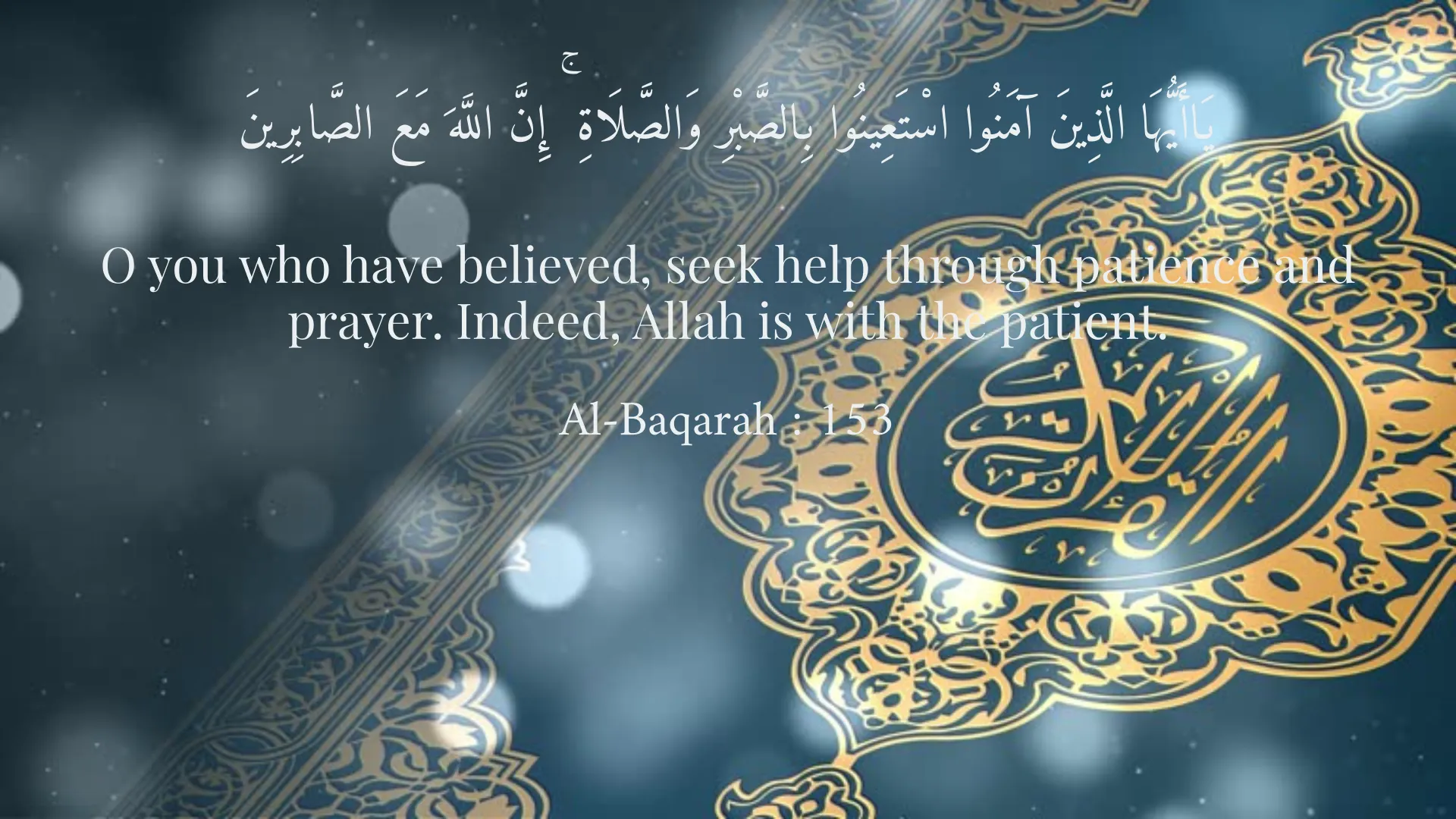
يَاأَيُّهَا الَّذِينَ آمَنُوا اسْتَعِينُوا بِالصَّبْرِ وَالصَّلَاةِ ۚ إِنَّ اللَّهَ مَعَ الصَّابِرِينَ
O you who have believed, seek help through patience and prayer. Indeed, Allah is with the patient.
Al-Baqarah : 153
وَلَنَبْلُوَنَّكُم بِشَيْءٍ مِّنَ الْخَوْفِ وَالْجُوعِ وَنَقْصٍ مِّنَ الْأَمْوَالِ وَالْأَنفُسِ وَالثَّمَرَاتِ ۗ وَبَشِّرِ الصَّابِرِينَ
And We will surely test you with something of fear and hunger and a loss of wealth and lives and fruits, but give good tidings to the patient.
Al-Baqarah : 155
فَإِنَّ مَعَ الْعُسْرِ يُسْرًا
For indeed, with hardship [will be] ease.
Ash-Sharh : 5
إِنَّ مَعَ الْعُسْرِ يُسْرًا
Indeed, with hardship [will be] ease.
Ash-Sharh : 6
Short Story
It is said that in ancient times, there was a wealthy merchant who possessed immense riches and lived a life full of joy. But one day, a fierce storm at sea sank all his ships, and he lost everything he owned. The merchant withdrew into seclusion, engulfed in sorrow. A wise and mystic man, passing by his street, inquired about his condition. The merchant, with a cold sigh, recounted his tale of misfortune. The wise man smiled and said: 'O brother, the sea takes what it gives, and what it takes sometimes clears the path for something better. This calamity might not be an end, but the beginning of a new journey; a path towards a hidden treasure that the physical eye cannot see.' The merchant initially did not believe his words, but having no other recourse, he fell into deep thought. He began to help the poor with the little money he had left. In every smile of a needy person he assisted, he found a sense of peace that he had never found in all his wealth. His heart was cleansed of impurities, and his soul was illuminated by divine light. He realized that true wealth lay in peace of heart and divine contentment. After some time, through honest work and effort, he gradually regained some worldly possessions, but this time with a heart full of spiritual knowledge and a more open hand. He learned a great lesson from that great pain, and his life became an inspiration for others on how to build a phoenix of hope and insight from the ashes of suffering.