Quranic Answer
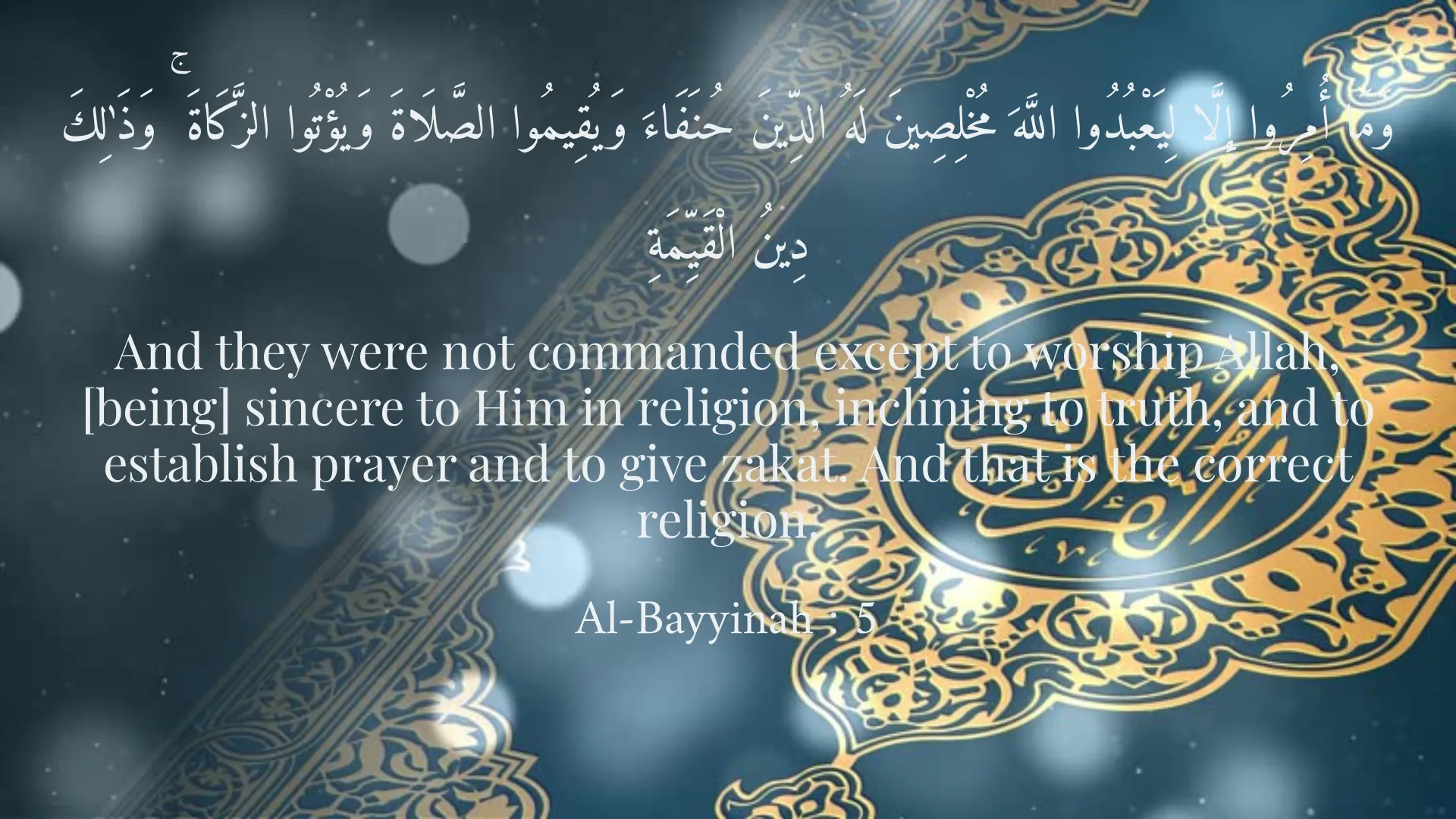
Dear sister or brother, this is a profound and important question that indicates your insight and desire to deepen your connection with your Lord. Indeed, one of the significant challenges in the spiritual path is falling into the trap of routine and habit in acts of worship. Worshipping out of habit is like acting mechanically, where the soul and heart are absent. The Holy Quran offers us various strategies to prevent this situation and transform worship into an experience full of presence of heart and sincerity. The first and perhaps most crucial step to ensure you are not worshipping out of habit is to pay special attention to intention (niyyah). Intention is the spirit of every action, and in Islam, the value and reward of deeds depend on the intentions behind them. The Prophet Muhammad (PBUH) said: “Indeed, actions are by intentions.” Before every act of worship, pause for a moment and reflect: Why am I performing this action? Is it for the pleasure of Allah? Is it to express gratitude for His blessings? Is it to draw closer to Him? This review of intention transforms your worship from a physical movement into a heartfelt connection. Renewing your intention before each prayer, each remembrance (dhikr), each charity, and every good deed gives it new depth and meaning, keeping you away from heedlessness and habit. The Quran states in Surah Al-Bayyinah, verse 5: “And they were not commanded except to worship Allah, [being] sincere to Him in religion, inclining to truth, and to establish prayer and to give zakat. And that is the correct religion.” This verse emphasizes sincerity in religion and worship. The second strategy is to focus on khushu' (humility and presence of heart). Khushu' means humility and submission before the greatness of Allah. In prayer, this humility is achieved by focusing on the meanings of the words, understanding the Lord's majesty, and feeling as if you are standing in His presence. If, during prayer, your mind is preoccupied with worldly matters, it is a sign that your worship is leaning towards habit. To strengthen khushu', try to calm your mind for a few moments before prayer, distance yourself from worldly distractions, and prepare yourself to stand before the Divine Presence. During prayer, pay attention to the meanings of the verses and remembrances, as if Allah is speaking directly to you and you are responding. The Quran states in Surah Al-Ankabut, verse 45: “Recite what has been revealed to you of the Book and establish prayer. Indeed, prayer prohibits immorality and wrongdoing, and the remembrance of Allah is greater. And Allah knows that which you do.” This verse indicates that true prayer prevents sins, which is a sign of presence of heart and not mere habit. Third, tadabbur (contemplation) of the Quran and tafakkur (reflection) on Divine signs (in the universe and within oneself). Worship is not limited to prayer and fasting; reciting and understanding the Quran, pondering the creation of the heavens and the earth, and reflecting on our own existence are among the greatest acts of worship. When you read the Quran, seek not only reward but also guidance and understanding of divine messages. This contemplation deepens your mental and spiritual connection with Allah. In nature, observe the signs of the Creator's greatness and power in every leaf, every raindrop, every sunrise and sunset, and thereby keep your heart fresh with His remembrance. This type of reflection prevents heedlessness and habit in daily life, turning every moment into an opportunity for connection with God. Fourth, diversifying worship and adding supererogatory (nafl) acts. If you always stick only to obligatory acts, the risk of falling into habit is greater. By adding voluntary acts of worship such as supererogatory prayers, more Quran recitation, giving charity, engaging in dhikr at different times, and helping those in need, you can infuse new spirit into your worship. This diversity ensures that each act of worship is a unique experience, born of choice and love, not merely a repetitive duty. Performing supererogatory acts demonstrates your eagerness to draw closer to Allah, and this eagerness is the antithesis of habit. Fifth, self-accountability and continuous evaluation. Every night before sleeping, review your day's actions. Were your acts of worship performed with presence of heart? Were your intentions sincere? Were you far from heedlessness? This self-accountability helps you identify your weaknesses and strive to improve them. Moreover, supplication (dua) and seeking Allah's help for sincerity and presence of heart in worship are highly effective. Know that Allah, the Most Merciful, loves servants who turn to Him with their whole being and ask Him to keep them on the straight path. Finally, remember that the purpose of worship is to build the human being—a virtuous, ethical person close to Allah. If your worship becomes a mere habit, you move away from this primary goal. Worship should transform you, lead you towards goodness and righteousness, and deter you from evil and impurity. If, after each act of worship, you feel peace, purity, and a closer connection to Allah, it is a sign that your worship was not out of habit but sprang from the depths of your soul. The Quran in Surah Al-Ma'un, verses 4 to 7, criticizes those whose prayers are due to heedlessness or show: “So woe to those who pray, [But] who are heedless of their prayer - Those who make show [of their deeds] * And withhold [common] necessities.” These verses are a serious warning that worship without spirit may not only be fruitless but also blameworthy. So, always keep your heart awake and consider worship a gateway to your Lord.
Related Verses
وَمَا أُمِرُوا إِلَّا لِيَعْبُدُوا اللَّهَ مُخْلِصِينَ لَهُ الدِّينَ حُنَفَاءَ وَيُقِيمُوا الصَّلَاةَ وَيُؤْتُوا الزَّكَاةَ ۚ وَذَٰلِكَ دِينُ الْقَيِّمَةِ
And they were not commanded except to worship Allah, [being] sincere to Him in religion, inclining to truth, and to establish prayer and to give zakat. And that is the correct religion.
Al-Bayyinah : 5
اتْلُ مَا أُوحِيَ إِلَيْكَ مِنَ الْكِتَابِ وَأَقِمِ الصَّلَاةَ ۖ إِنَّ الصَّلَاةَ تَنْهَىٰ عَنِ الْفَحْشَاءِ وَالْمُنكَرِ ۗ وَلَذِكْرُ اللَّهِ أَكْبَرُ ۗ وَاللَّهُ يَعْلَمُ مَا تَصْنَعُونَ
Recite what has been revealed to you of the Book and establish prayer. Indeed, prayer prohibits immorality and wrongdoing, and the remembrance of Allah is greater. And Allah knows that which you do.
Al-Ankabut : 45
فَوَيْلٌ لِّلْمُصَلِّينَ
So woe to those who pray,
Al-Ma'un : 4
الَّذِينَ هُمْ عَن صَلَاتِهِمْ سَاهُونَ
[But] who are heedless of their prayer -
Al-Ma'un : 5
Short Story
It is said that once, a pious dervish was constantly engaged in worship in the mosque, performing his prayers with indescribable length. People praised him and envied his piety. However, Sheikh Sa'di (may Allah have mercy on him) narrates in his Gulistan that a king asked the dervish: “How is it that with all this prayer and worship, your heart is still preoccupied with worldly matters, and the scent of hypocrisy emanates from you?” The dervish was astonished and said: “Your Majesty, what kind of talk is this? I have spent my life in the mihrab of the mosque!” The king smiled and said: “Yes, but your prayer is merely physical movements, not a spiritual ascent. If the heart is not present in prayer and the intention is not solely for the pleasure of God, then no matter how long the act, it does not go beyond habit. Worship that turns into habit is like a lifeless body. One whose heart is alive with the remembrance of God is truly worshipping even in the marketplace among people, while one who merely suffices with outward appearance and habit is far from God even in the solitude of the mosque.” This story teaches us to always keep our hearts awake and not let our acts of worship become mere repetitive, soulless movements, but rather, with presence of heart and love, to open a gateway to our Lord.