Quranic Answer
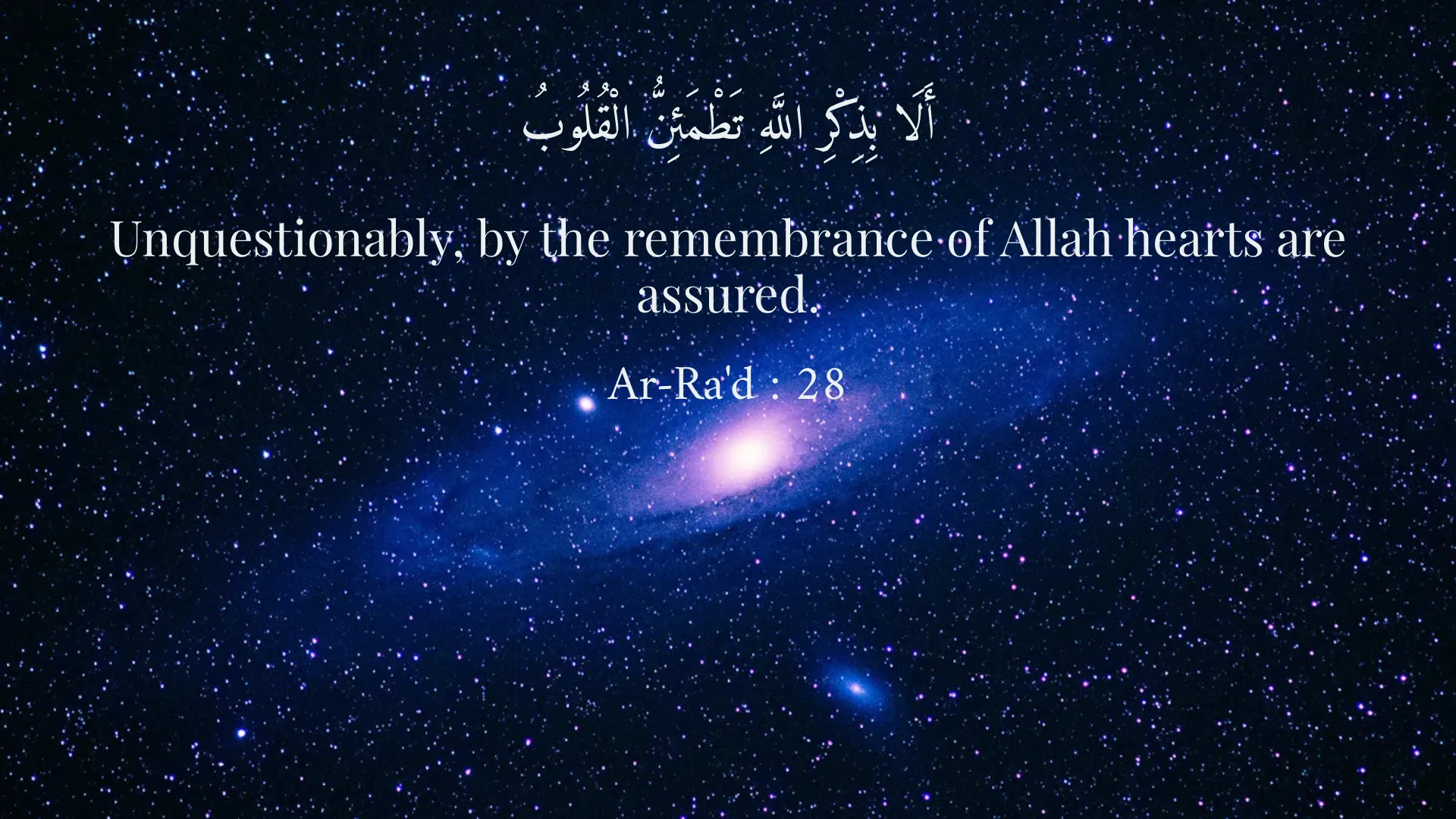
Finding peace of heart is one of the great blessings from Allah, and attaining it requires adherence to the principles mentioned in the Holy Quran. This essay explores the various ways through which one can cultivate a peaceful heart, as outlined in the sacred texts. As believers navigate the complexities of life, understanding these principles rooted in spirituality and moral conduct can guide them towards achieving a serene and tranquil existence. The need for peace of heart transcends cultural and religious boundaries; it is a universal longing shared by many. In a world filled with uncertainty and turmoil, individuals often seek solace and contentment. According to Islamic teachings, the path to inner tranquility and peace lies in the remembrance of Allah. In Surah Ar-Ra'd, verse 28, Allah proclaims, 'Unquestionably, by the remembrance of Allah hearts are assured.' This profound verse emphasizes that the act of remembering God is essential for attaining peace. Engaging in remembrance, which includes daily prayers (Salah), reading the Quran, and making supplications (du'a), fosters a deeper connection with Allah and serves as an anchor amidst life’s challenges. The concept of dhikr, or remembrance of Allah, is a powerful practice that can help individuals center themselves and focus on the divine. This practice not only instills a sense of calm but also reinforces a believer's faith. Additionally, conducting group dhikr can create a supportive community environment where individuals uplift each other spiritually, cultivating collective peace of heart. Moreover, the importance of staying away from sin and disobedience cannot be overstated. As highlighted in Surah Al-Anfal, verse 27, Allah advises believers to avoid sinful behavior, as these actions lead to distress and a lack of tranquility within the heart. Engaging in righteous deeds and living a life aligned with Islamic principles contributes significantly to internal peace. The notion of staying clear of sin is not merely about abstaining from wrongdoings; it is also about nurturing good habits and character. This includes maintaining honesty, integrity, and compassion in our interactions with others. Hence, one of the routes to achieving tranquility involves fostering social relations and behaving kindly towards those around us. Surah Luqman, verse 17, beautifully encapsulates this idea: 'And We have enjoined upon man [care] for his parents.' The Quran urges individuals to show love and respect to their family and community, promoting harmony in relationships. When we create a joyful and amiable environment, not only do we help ourselves, but we also positively influence those around us, encouraging a collective sense of peace. Furthermore, the role of prayer in achieving a peaceful heart cannot be underestimated. Prayer is a direct line of communication between the believer and Allah, offering a moment of respite from life's demands. Daily prayers, which create an opportunity for reflection and connection with the divine, provide strength and clarity. For many, the act of praying is a source of comfort during tumultuous times. The Quran encourages believers to seek solace in prayer, signifying that it is an essential tool for coping with life's trials and tribulations. In addition to the spiritual practices mentioned, strengthening one's faith and placing trust in Allah plays a pivotal role in achieving tranquility of heart. In Surah At-Talaq, verse 2, Allah states, 'And whoever fears Allah - He will make for him a way out.' This verse highlights the importance of having faith in Allah's wisdom and mercy. Trusting in God’s plan can alleviate anxiety and fear, enabling believers to navigate difficulties with grace. Life can be unpredictable, and moments of despair can challenge one’s faith. However, cultivating patience and resilience, alongside a steadfast belief in Allah’s mercy, allows individuals to find peace amid chaos. The understanding that Allah is always present and willing to aid those who turn to Him diminishes feelings of loneliness and despair. Additionally, self-care practices play a crucial role in maintaining mental and emotional well-being. Engaging in activities that nourish the soul can bring joy and satisfaction, leading to a more fulfilled life. Reflecting on one’s blessings, practicing gratitude, and engaging in creative outlets can aid in stress relief and overall happiness. The art of forgiveness is another essential aspect of achieving peace of heart. Harboring anger and resentment not only disturbs one's relationship with others but also disrupts inner peace. By practicing forgiveness, individuals liberate themselves from the burdens of negativity and experience healing. The Quran encourages forgiveness as a noble act, and embracing it can be transformative in one’s journey towards tranquility. In summary, the quest for peace of heart is both a spiritual and practical endeavor. Engaging in the essential practices of remembrance, prayer, and good deeds, while nurturing positive relationships and cultivating self-care, collectively contribute to a tranquil spirit. Furthermore, trusting in Allah’s wisdom during life's trials and embracing forgiveness acts as a beacon of hope for many. It is clear that achieving peace of heart is not merely a wish but a realistic goal attainable through dedicated effort and commitment to spiritual growth. The essence of the teachings found in the Quran serves as a guiding light for believers, reminding them to seek peace through connection with Allah and the cultivation of a compassionate, loving community.
Related Verses
أَلَا بِذِكْرِ اللَّهِ تَطْمَئِنُّ الْقُلُوبُ
Unquestionably, by the remembrance of Allah hearts are assured.
Ar-Ra'd : 28
يَـٰٓأَيُّهَا الَّذِينَ ءَامَنُواْ لَا تَخُونُواْ اللَّهَ وَالرَّسُولَ ۖ وَلَا تَخُونُوا أَمَـٰنَـٰتِكُمْ وَأَنتُمْ تَعْلَمُونَ
O you who have believed, do not betray Allah and the Messenger or betray your trusts while you know [the consequence].
Al-Anfal : 27
وَ أَوصَيْنَا الْإِنْسَانَ بِوَالِدَيْهِ
And We have enjoined upon man [care] for his parents.
Luqman : 17
Short Story
Once upon a time, there was a young man named Mahdi who was tired of the worries of life and decided to seek peace of heart. He turned to the Quran and read the verse about remembering God, realizing that peace lies in His remembrance. From that day on, he prayed two rak'ahs each night before sleeping and spent moments in supplication and remembrance. Gradually, his life transformed, and he continued his daily tasks with a greater sense of tranquility.