Quranic Answer
The relationship between human beings and God is one of the most profound and significant aspects of spirituality. In the journey of life, individuals often stray and may find themselves committing sins that weigh heavily upon their hearts. This experience can lead to feelings of guilt and despair, but Islamic teachings enlighten us on the path to redemption and the boundless mercy of Allah. After committing a sin, it is essential to turn back to God with genuine remorse and repentance, for He is the Most Forgiving and Merciful. Reflecting on the importance of repentance is crucial, as it serves as a means for individuals to regain their moral compass and seek forgiveness from their Creator. The Holy Quran serves as a guiding light for believers, providing verses that underscore the significance of repentance. Surah Al-Ma'idah, verse 39 states: 'And those who repent, believe, and do righteous deeds will have a great reward with their Lord.' This verse clearly articulates a divine promise: those who turn away from sin and engage in righteous conduct are treasured by Allah, and He grants them His forgiveness. It encapsulates the essence of what it means to genuinely repent—acknowledging one’s mistakes, having faith in Allah, and striving to cultivate goodness in one’s life. Moreover, the message of hope continues in Surah Az-Zumar, verse 53, where God addresses His believers: 'O My servants who have believed, do not despair of the mercy of Allah. Indeed, Allah forgives all sins.' This verse serves to uplift anyone who might feel overwhelmed by their transgressions. Despair is a common reaction among those who sin; however, Allah's message here underscores that His mercy knows no bounds. There is never a point at which one should view themselves as beyond His forgiveness. This reassurance is vital in nurturing a hopeful spiritual journey. The act of sincere repentance (Tawbah) is not merely an acknowledgment of one’s sins; it requires a heartfelt commitment to change. It begins with remorse for past actions, a genuine intention not to repeat them, and a commitment to seek forgiveness from Allah. The importance of intention is emphasized in various teachings, reinforcing the notion that one's internal state must align with their actions. Once a person genuinely repents, they are stepping towards the door of mercy that Allah has promised to open wide. In seeking a closer relationship with God post-commitment of a sin, performing righteous deeds is essential. Engaging in good acts such as prayers, charity, and supplications not only serves to atone for prior misdeeds but also fosters a deeper connection with the divine. The act of prayer (Salah) in particular is a powerful means of communication with Allah. It’s a way to express gratitude, seek assistance, and acknowledge His supremacy. Frequent acts of worship can cleanse the heart and mind, allowing individuals to cultivate a spirit of humility and piety. Charity (Sadaqah) also plays a significant role in establishing a connection with God. When one engages in charitable acts, they are not only providing for the needs of those less fortunate but also purging their hearts of material greed and selfishness. The act of giving fosters a sense of community and responsibility, allowing an individual to understand the struggles of others and to develop compassion. In this sense, good deeds become a pathway to spirituality, enhancing the bond between an individual and their Creator. Furthermore, supplication (Dua) holds a special place in the hearts of believers. It is a way for individuals to express their innermost feelings and desires, requesting guidance, forgiveness, and strength in their faith. When one engages in sincere supplication, it reflects an understanding of one’s dependency on God’s will and mercy. This act of humility is vital in the journey towards a more profound faith and relationship with Allah. It is also essential to understand that God is always waiting for His servants' return, accepting them with open arms. Allah's mercy is depicted as encompassing all things, and the Quran repeatedly reinforces His willingness to forgive. Believers should strive to remember that the path to God is accessible, regardless of their past. Each transgression presents an opportunity for growth and enlightenment, often leading to a more intimate relationship with the divine. Correcting one’s intention and striving to make amends for the past are further actions to foster a sense of closeness to Allah. The act of seeking forgiveness from others whom one may have wronged is also integral to this process. Healing relationships and rectifying mistakes form the essence of spiritual and emotional growth, allowing one to emerge stronger from their past decisions. It is through these actions that believers can purify their hearts and minds, letting go of the burdens of guilt and regret. Ultimately, the concept of repentance in Islam is liberating. It emphasizes that no one is perfect, and all are bound to err; however, the path to redemption is always available. This cyclical process of sin, regret, repentance, and positive action provides believers with both a spiritual road map and a smooth path to return to God’s grace. The doors of mercy are always open, and sincere repentance is the key that unlocks them. In conclusion, the relationship between sin and repentance is nuanced and deeply personal. Each individual’s journey towards God requires a personal commitment to introspection, sincere remorse, and the implementation of righteous deeds. As believers navigate their spiritual paths, they must remember that they are supported by divine mercy and forgiveness. Turning back to God is not just about seeking forgiveness but also about rejuvenating one’s faith and commitment to living a life that reflects the teachings of Islam. Repentance transforms the heart, strengthens faith, and ultimately leads to a more profound love for God.
Related Verses
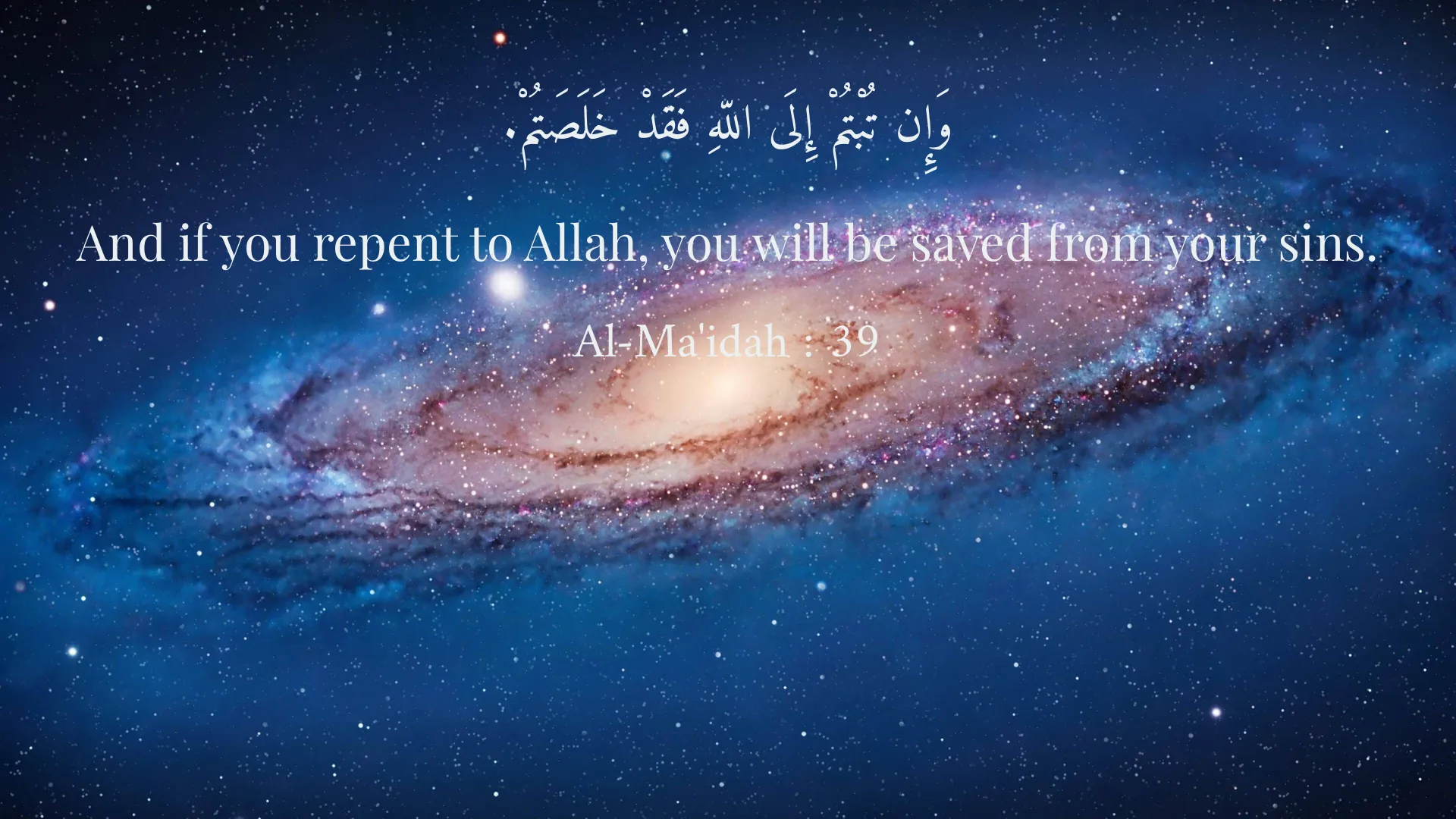
وَإِن تُبْتُمْ إِلَى اللّهِ فَقَدْ خَلَصَتُمْ.
And if you repent to Allah, you will be saved from your sins.
Al-Ma'idah : 39
يَا عِبَادِيَ الَّذِينَ آمَنتُمْ لاَ تَفْقَدُوا مِن رَّحْمَةِ اللَّهِ.
O My servants who have believed, do not despair of the mercy of Allah.
Az-Zumar : 53
Short Story
One day, a man named Imran made some mistakes that left him feeling hopeless. He recalled the verses of the Quran and realized that God was Merciful and Compassionate. He decided to turn back to God, sincerely asking for forgiveness. Shortly after, he felt a lightness and peace, and he resolved to change his life and devote himself to good deeds.