Quranic Answer
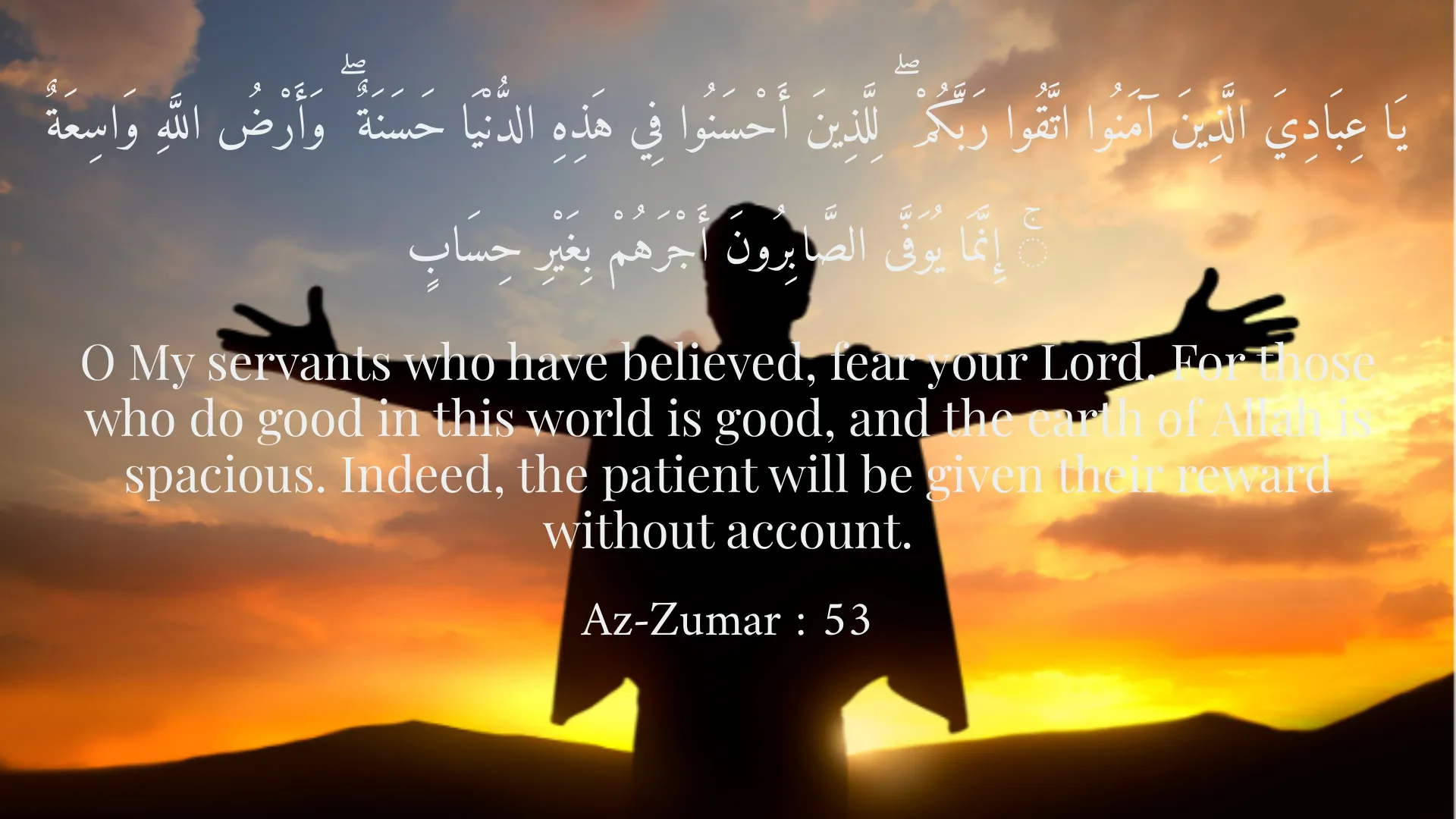
Giving Hope to Others: A Fundamental Human Need Hope is an intrinsic part of the human experience. It serves as a beacon that guides individuals through the storms of life, offering light in times of darkness and uncertainty. In the context of spiritual teachings, the concept of hope is profoundly illustrated in the Holy Quran, particularly in Allah's promises of mercy and grace. This article seeks to explore the importance of instilling hope in others, drawing upon Quranic verses, the life of the Prophet Muhammad (peace be upon him), and practical applications for fostering a hopeful spirit in our communities. The Quranic Perspective on Hope The Quran speaks extensively about hope and the mercy of Allah. One of the most poignant verses that encapsulate this principle can be found in Surah Az-Zumar, verse 53, which states: "O My servants who have believed, fear your Lord. For those who do good in this world is good, and the earth of Allah is spacious. Indeed, the patient will be given their reward without account." This verse serves as a profound reminder to maintain faith in divine mercy, urging believers to recognize that their good deeds will eventually bear fruit, even if the results are not immediately visible. This verse emphasizes that, irrespective of the trials and tribulations one may face, there exists a larger plan governed by a benevolent Creator who rewards patience and perseverance. This comfort can serve as a powerful motivator for individuals experiencing hardship, catalyzing a renewed sense of purpose and resilience. Living as an Example: The Life of Prophet Muhammad The life of the Prophet Muhammad (peace be upon him) offers innumerable lessons about hope. Throughout his mission, he faced rejection, persecution, and challenges that could have easily extinguished the flame of hope. However, he remained steadfast, embodying the principles of resilience and positivity. One of the Prophet's most notable examples of fostering hope is observed during the difficult period of the Hijrah, when he and his followers faced extreme adversity. Instead of succumbing to despair, the Prophet inspired his companions to remain optimistic, assuring them that Allah was with them even in their darkest moments. The Prophet's teachings encourage individuals to maintain hope not just in times of personal crisis, but also in the face of societal challenges. His approach of advocating for compassion, understanding, and listening to the grievances of others instilled a sense of hope within his community. Many of his dialogues with the less fortunate and marginalized illustrate his unwavering belief in their inherent potential for goodness and success. The Power of Listening and Positive Reinforcement In an increasingly disconnected world, one of the most impactful ways to provide hope to others is through active listening. When individuals share their struggles, it gives them the opportunity to feel validated, rather than isolated in their experiences. By listening attentively, we show empathy and understanding—fostering an environment where hope can grow. We can also encourage hope by sharing positive experiences from our lives that relate closely to the challenges faced by others. This sharing not only provides a framework for possibility, but it also highlights the resilience within our communities, showcasing the capacity of individuals to overcome obstacles. Moreover, offering words of encouragement and recalling hopeful Quranic verses can reinforce a positive outlook. For instance, in Surah Al-Baqarah, verse 286 states: "Allah does not burden a soul beyond that it can bear." This verse serves as a reminder during difficult times that struggles are part of a divine plan, tailored to an individual's capacity for endurance. By bringing such verses into conversations, we can foster a mindset of hopefulness, helping individuals to navigate their challenges with a different perspective. Cultivating a Hopeful Spirit Within Ourselves To effectively instill hope in others, we must first cultivate a hopeful spirit within ourselves. This internal journey involves self-reflection and self-care, recognizing our own struggles, and learning to frame them within a broader context of faith and resilience. Practices such as mindfulness, gratitude, and prayer can effectively enhance our sense of hope. Engaging in mindful reflection allows us to acknowledge and process our feelings, while gratitude empowers us to focus on the positives—traits that are contagious to those around us. Additionally, the practice of prayer creates an avenue for connecting with Allah, reinforcing our belief in His mercy and guidance. Regularly reflecting on our relationship with God and seeking His support in times of need can significantly boost our inner hope and, in turn, our ability to assist others. In Conclusion The importance of giving hope to others cannot be understated. It fulfills a fundamental human need and fosters healthier, more resilient communities. By embracing the teachings of the Quran, embodying the examples set by the Prophet Muhammad (peace be upon him), and adopting practical steps to enhance a hopeful mindset, we can contribute to a culture of hope. Through listening, sharing positive experiences, and cultivating our own hopeful spirits, we become conduits of mercy and encouragement in the lives of those around us. As we strive to uplift and empower one another, we find ourselves not only serving the needs of our communities but also deepening our personal connection to faith and purpose.
Related Verses
يَا عِبَادِيَ الَّذِينَ آمَنُوا اتَّقُوا رَبَّكُمْ ۖ لِلَّذِينَ أَحْسَنُوا فِي هَذِهِ الدُّنْيَا حَسَنَةٌ ۖ وَأَرْضُ اللَّهِ وَاسِعَةٌ ۚ إِنَّمَا يُوَفَّى الصَّابِرُونَ أَجْرَهُمْ بِغَيْرِ حِسَابٍ
O My servants who have believed, fear your Lord. For those who do good in this world is good, and the earth of Allah is spacious. Indeed, the patient will be given their reward without account.
Az-Zumar : 53
لَا يُكَلِّفُ اللَّهُ نَفْسًا إِلَّا وُسْعَهَا ۚ لَهَا مَا كَسَبَتْ وَعَلَيْهَا مَا اكْتَسَبَتْ ۗ رَبَّنَا لَا تُؤَاخِذْنَا إِن نَّسِينَا أَوْ أَخْطَأْنَا ۚ رَبَّنَا وَلَا تَحْمِلْ عَلَيْنَا إِصْرًا كَمَا حَمَلْتَهُ عَلَى الَّذِينَ مِن قَبْلِنَا ۚ رَبَّنَا وَلَا تُحَمِّلْنَا مَا لَا طَاقَةَ لَنَا بِهِ ۚ وَاعْفُ عَنَّا وَاغْفِرْ لَنَا وَارْحَمْنَا ۚ أَنتَ مَوْلَانَا فَانصُرْنَا عَلَى الْقَوْمِ الْكَافِرِينَ
Allah does not burden a soul beyond that it can bear. For it is [the consequence of] what [good] it has gained, and against it is what [evil] it has earned. Our Lord, do not impose blame upon us if we forget or make a mistake. Our Lord, and lay not upon us a burden like that which You laid upon those before us. Our Lord, and burden us not with that which we have no ability to bear. And pardon us; and forgive us; and have mercy upon us. You are our protector, so give us victory over the disbelieving people.
Al-Baqarah : 286
Short Story
One day, a young man named Sajjad approached one of his teachers and asked how he could give hope to his friends. The teacher smiled and said, 'Remember my mother's sayings and always speak of God's mercy. He never leaves us alone. Never lose hope, so wait!' Inspired by this advice, Sajjad tried to convey this message to his friends and give them hope.