Quranic Answer
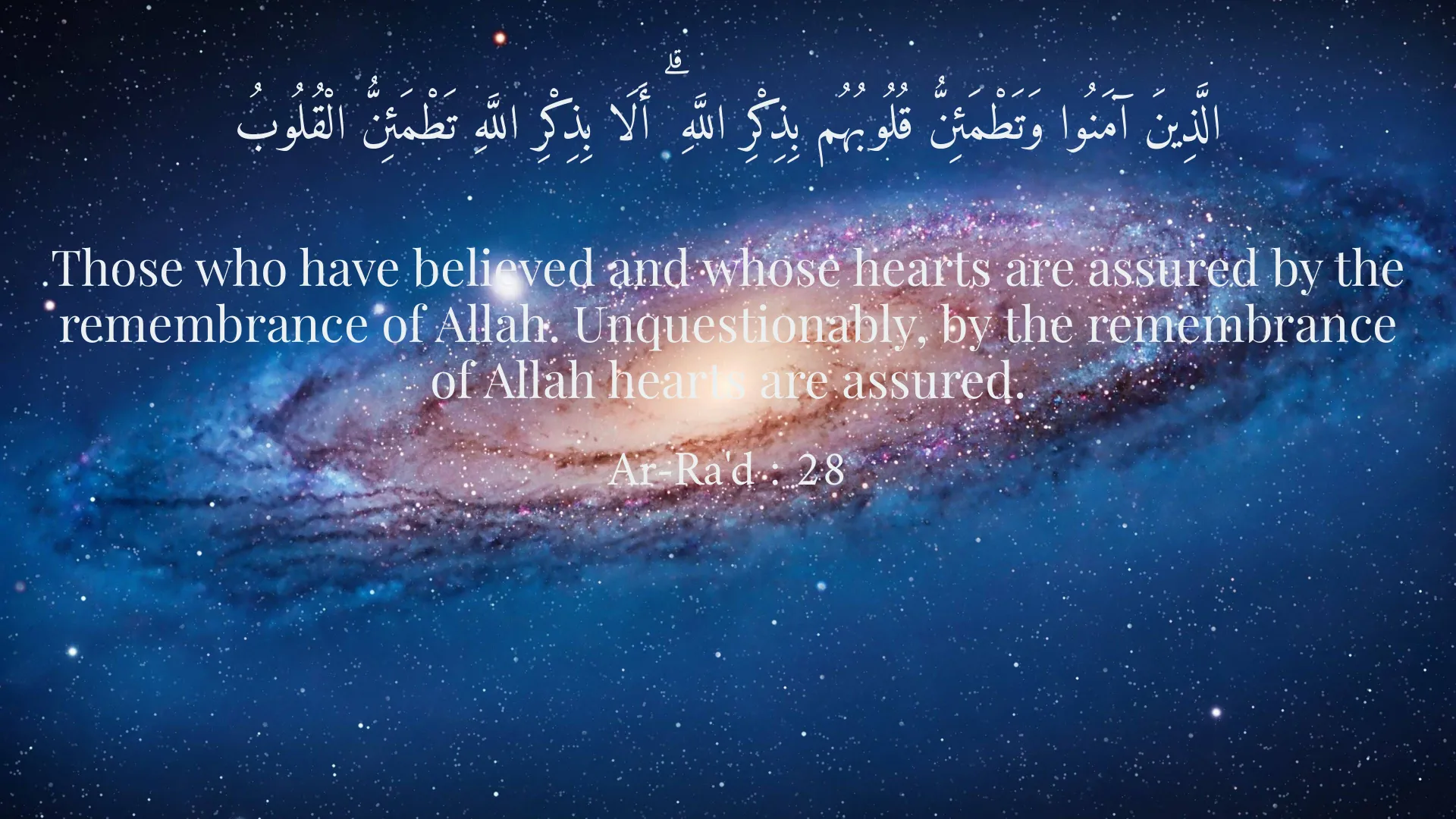
Harmonizing worship with one's psychological needs is a profound and central theme embedded within the teachings of the Holy Quran. Islam views worship not merely as a set of rigid rituals but as a comprehensive path for spiritual, ethical, and, crucially, psychological well-being. The Quran clearly demonstrates that a connection with the Creator of the universe is the primary source of inner peace, stability, and contentment – precisely those deep psychological needs of modern humanity. This harmonization between worship and psychological needs is, in essence, the core of a balanced spiritual life, where an individual not only fulfills their religious duties but also, through these very acts, achieves profound inner tranquility and happiness. This unbreakable link between spirituality and psychology offers a holistic approach to human well-being that goes beyond merely treating symptoms, addressing the roots of psychological distress, and providing sustainable solutions for achieving a state of deep, lasting peace. One of the most significant foundations for this harmonization is "Dhikr," or the remembrance of Allah. The Holy Quran explicitly states in Surah Ar-Ra'd, verse 28: "الَّذِينَ آمَنُوا وَتَطْمَئِنُّ قُلُوبُهُم بِذِكْرِ اللَّهِ ۗ أَلَا بِذِكْرِ اللَّهِ تَطْمَئِنُّ الْقُلُوبُ" (Those who have believed and whose hearts are assured by the remembrance of Allah. Unquestionably, by the remembrance of Allah hearts are assured). This verse serves as a golden key to understanding the relationship between spirituality and psychology. In today's tumultuous world, where ceaseless stress, anxiety, and worries strip away psychological peace, the remembrance of Allah acts like an anchor, stabilizing the turbulent ship of the heart in life's stormy sea. This Dhikr is not just about repeating words; it encompasses a continuous awareness of Allah's presence, His power, His wisdom, and His boundless mercy in every moment of life. When a person remembers that an omnipotent and compassionate Creator is always with them, many fears and anxieties dissipate. This constant remembrance strengthens feelings of security, support, and belonging – fundamental human psychological needs – helping individuals become more resilient in the face of challenges, as they know they are not alone and have a solid reliance. This form of divine mindfulness helps individuals break free from negative thoughts and obsessive cycles, cultivating a more positive and realistic outlook on life. "Salat," or prayer, is another pillar of worship that serves a deeply psychological function. Prayer, beyond being a mere obligation, is a daily pause, an opportunity to detach from worldly attachments and connect with the infinite source of power and tranquility. In Surah Al-Baqarah, verse 153, we read: "يَا أَيُّهَا الَّذِينَ آمَنُوا اسْتَعِينُوا بِالصَّبْرِ وَالصَّلَاةِ ۚ إِنَّ اللَّهَ مَعَ الصَّابِرِينَ" (O you who have believed, seek help through patience and prayer. Indeed, Allah is with the patient). This verse indicates that prayer is a powerful tool for confronting difficulties and seeking divine assistance. From a psychological perspective, prayer is a form of mindfulness and meditation. Its structured movements, focus on words and meanings, and temporary disconnection from the surrounding environment contribute to stress reduction, improved concentration, and enhanced presence of mind. This daily routine provides structure to an individual's life and strengthens their sense of purpose, as they periodically disengage from worldly distractions and turn to their Creator. Furthermore, prayer offers a person the chance to directly share their emotions – be it joy, sorrow, fear, or hope – with their Creator, which in itself is a form of positive catharsis and emotional release. In Surah Al-Ankabut, verse 45, it is also stated: "اتْلُ مَا أُوحِيَ إِلَيْكَ مِنَ الْكِتَابِ وَأَقِمِ الصَّلَاةَ ۖ إِنَّ الصَّلَاةَ تَنْهَىٰ عَنِ الْفَحْشَاءِ وَالْمُنكَرِ ۗ وَلَذِكْرُ اللَّهِ أَكْبَرُ ۗ وَاللَّهُ يَعْلَمُ مَا تَصْنَعُونَ" (Recite, [O Muhammad], what has been revealed to you of the Book and establish prayer. Indeed, prayer prohibits immorality and wrongdoing, and the remembrance of Allah is greater. And Allah knows that which you do). This verse illustrates that prayer not only contributes to psychological peace but also, by preventing sins and harmful behaviors, significantly aids in an individual's moral and, consequently, mental well-being. Feelings of guilt and regret, which are also psychological needs, find an opportunity for purification and return to one's pure nature through prayer and repentance, greatly assisting in the restoration of mental health. "Sabr" (patience) and "Tawakkul" (trust in Allah) are two other key Quranic concepts directly linked to managing psychological needs and increasing resilience. The Quran repeatedly advises believers to be patient in the face of difficulties. Patience here does not mean passivity, but rather steadfastness, refraining from excessive complaining, and continuous effort accompanied by inner calmness. When an individual practices patience, they are better able to manage negative emotions and approach problem-solving with a more rational perspective. Tawakkul, meaning complete trust in Allah and entrusting affairs to Him after exerting all necessary effort, lifts a heavy burden of anxiety and future worries from a person's shoulders. One who practices Tawakkul understands that the ultimate outcome is in Allah's hands and that He wills what is best for His servants. Therefore, they release concerns beyond their control and attain tranquility. This trust fulfills the psychological need for security and assurance in an uncertain world, enabling them to maintain calm during crises and make wiser decisions. "Shukr" (gratitude) and appreciation for divine blessings is another Quranic principle with a significant impact on mental health. When a person observes and is grateful for blessings, their focus shifts from what is lacking to what is present. This change in focus automatically increases feelings of contentment, optimism, and joy, while reducing feelings of envy, dissatisfaction, and deprivation. Gratitude addresses the psychological need for positive thinking and experiencing constructive emotions, creating a positive cycle of satisfaction and increased blessings (based on Allah's promise in the Quran). This active approach to life transforms one's perspective on experiences, allowing them to find positive aspects even in challenging circumstances. Finally, "Tilawah of Quran" (recitation and contemplation of divine verses) is itself a form of worship that has a profound effect on the human psyche. The divine word is soothing, guiding, and healing. Listening to or reciting the verses of the Quran, especially for those who understand its meanings, brings a sense of security, tranquility, and connection with ultimate truth. The Quran provides deep answers to existential questions and grants a person a correct understanding of their place in existence and the purpose of life, which is a crucial part of mental well-being: having meaning and purpose in life. In Surah Al-Isra, verse 82, the Quran states: "وَنُنَزِّلُ مِنَ الْقُرْآنِ مَا هُوَ شِفَاءٌ وَرَحْمَةٌ لِّلْمُؤْمِنِينَ ۙ وَلَا يَزِيدُ الظَّالِمِينَ إِلَّا خَسَارًا" (And We send down of the Quran that which is healing and mercy for the believers, but it does not increase the wrongdoers except in loss). This healing can be both physical and spiritual/psychological, as the Quran guides humanity to the straight path, saving them from the distress caused by aimlessness and confusion. In summary, the Holy Quran presents worship not as a burden but as a comprehensive solution for human psychological needs. Through Dhikr, Salat, Sabr, Tawakkul, Shukr, and contemplation of the Quran, an individual can attain inner peace, meaning in life, resilience in the face of difficulties, and a deep connection with the Creator, all of which are essential for a healthy and balanced psychological life. Harmonizing worship with psychological needs essentially means understanding that worship is a means to achieve these needs, not an obstacle to them. This is a holistic approach to human well-being that intertwines spiritual and psychological dimensions, helping individuals find refuge and peace in God's presence under any circumstances, leading to a meaningful and fulfilling life.
Related Verses
الَّذِينَ آمَنُوا وَتَطْمَئِنُّ قُلُوبُهُم بِذِكْرِ اللَّهِ ۗ أَلَا بِذِكْرِ اللَّهِ تَطْمَئِنُّ الْقُلُوبُ
Those who have believed and whose hearts are assured by the remembrance of Allah. Unquestionably, by the remembrance of Allah hearts are assured.
Ar-Ra'd : 28
يَا أَيُّهَا الَّذِينَ آمَنُوا اسْتَعِينُوا بِالصَّبْرِ وَالصَّلَاةِ ۚ إِنَّ اللَّهَ مَعَ الصَّابِرِينَ
O you who have believed, seek help through patience and prayer. Indeed, Allah is with the patient.
Al-Baqarah : 153
اتْلُ مَا أُوحِيَ إِلَيْكَ مِنَ الْكِتَابِ وَأَقِمِ الصَّلَاةَ ۖ إِنَّ الصَّلَاةَ تَنْهَىٰ عَنِ الْفَحْشَاءِ وَالْمُنكَرِ ۗ وَلَذِكْرُ اللَّهِ أَكْبَرُ ۗ وَاللَّهُ يَعْلَمُ مَا تَصْنَعُونَ
Recite, [O Muhammad], what has been revealed to you of the Book and establish prayer. Indeed, prayer prohibits immorality and wrongdoing, and the remembrance of Allah is greater. And Allah knows that which you do.
Al-Ankabut : 45
Short Story
It is narrated that a man, troubled by worldly anxieties and the whispers of doubt, constantly lamented his fears and hopes, finding no peace. One day, he approached a wise sage who sat in quiet seclusion, and recounted his state. The sage, with a gentle smile, said: "My brother, I see you like those little birds who are certain of their sustenance each morning and sing joyful melodies, yet you, with countless wings, are trapped in the cage of your own sorrow. Know that neither worldly possessions nor high status can truly calm the human heart. True peace belongs to a heart that turns its gaze away from the world and opens its eyes to the Creator. When you entrust your heart to Him and know that He is the Provider and the Disposer of all affairs, then you will become as firm as a mountain, fearing no gust of wind." The man, taking this counsel to heart, adopted the path of reliance on God and remembrance of the Truth, and gradually, the dust of sorrow was wiped from the mirror of his heart, and in place of anxiety, a light of peace and assurance shone within him.