Quranic Answer
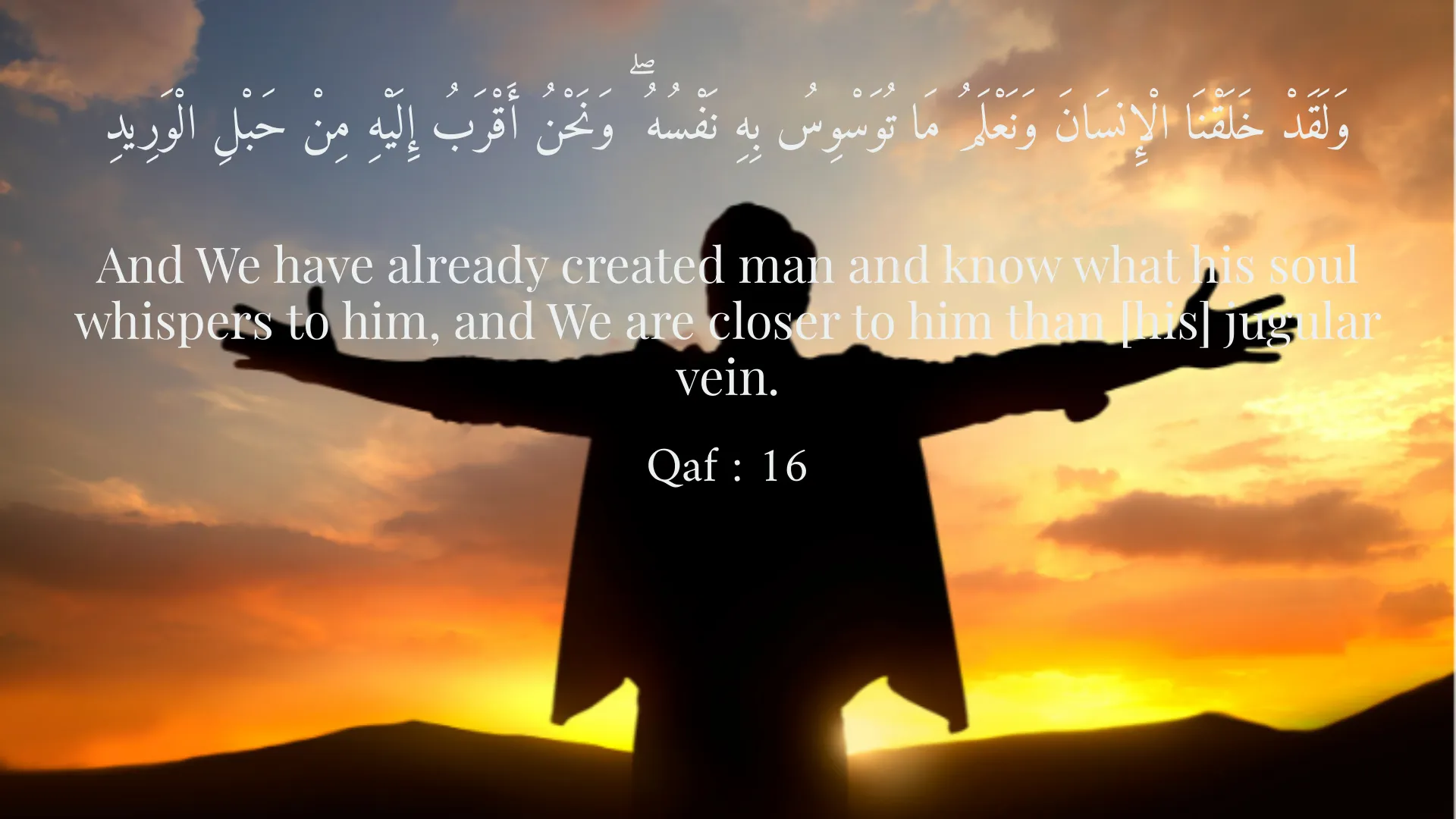
Cultivating a deep and personal relationship with God is the core of faith and the wellspring of peace and meaning in life. The Holy Quran consistently emphasizes God's closeness to His servants and offers numerous ways to establish and strengthen this intimate, reciprocal connection. This relationship, contrary to some misconceptions, does not require intermediaries; God is closer to us than our jugular vein, as stated in Surah Qaf, verse 16: “And We are closer to him than [his] jugular vein.” This verse clearly indicates that the door to connecting with God is always open to us. The first and perhaps most fundamental pillar of this relationship is “supplication and prayer (Du'a).” Du'a should become a habit, not only in moments of need and difficulty but also in times of gratitude and joy. Allah says in Surah Ghafir, verse 60: “And your Lord says, 'Call upon Me; I will respond to you.'” This verse is a definitive promise, showing that God is always ready to listen and respond to His servants. Through Du'a, we can share everything in our hearts, from our hopes and worries to our thanksgivings and requests for forgiveness. This verbal connection purifies our souls and strengthens our sense of divine presence and support. “Formal Prayer (Salat)” is another pillar, considered the heart of the relationship with God. Salat is more than just movements and recitations; it is a spiritual ascension and an opportunity for solitude with the Lord. In Surah Al-Ankabut, verse 45, Allah says: “Recite, [O Muhammad], what has been revealed to you of the Book and establish prayer. Indeed, prayer prohibits immorality and wrongdoing, and the remembrance of Allah is greater.” Salat deters us from heedlessness and sin, providing an opportunity for a daily renewal of our covenant with our merciful Creator. Presence of heart in prayer and concentration on the meaning of the invocations deepen this connection, transforming it from a mere habit into a true act of worship. “Remembrance of God (Dhikr)” at all times and in all circumstances is another cornerstone of this relationship. Dhikr is not merely the repetition of words; rather, it signifies the constant presence of God in one's mind and heart. In Surah Ar-Ra'd, verse 28, it states: “Those who have believed and whose hearts are assured by the remembrance of Allah. Unquestionably, by the remembrance of Allah hearts are assured.” This unparalleled peace is the fruit of continuous connection with the true source of tranquility. Dhikr can include glorification (Tasbih), praise (Tahmid), affirmation of oneness (Tahlil), magnification (Takbir), and even contemplation of God's signs in the universe. Whenever we are engaged in an activity, in moments of crowd or solitude, we can feel God's presence and draw closer to Him through His remembrance. “Recitation and Reflection on the Quran,” as the direct word of God, is a strong bridge to knowledge and closeness to Allah. The Quran is a letter from the Beloved to His lovers. Each verse opens a window to divine attributes and will. In Surah Sad, verse 29, we read: “A blessed Book which We have sent down to you, that they might reflect upon its verses and that those of understanding would be reminded.” Reading with contemplation, striving to understand its meanings, and applying its teachings in life not only increases our knowledge but also illuminates our hearts and brings us closer to the divine will. This reflection helps us align ourselves with divine purposes and values, illuminating our life path with the light of revelation. “Gratitude (Shukr)” for God's countless blessings is another way to deepen this relationship. When we recognize blessings and are grateful for them, not only do we feel better, but God also increases His bounties upon us, as He stated in Surah Ibrahim, verse 7: “If you are grateful, I will surely increase you [in favor].” This gratitude makes us aware of God's constant grace and love, strengthening our sense of servitude and dependence on Him. “Performing good deeds and abstaining from sins” is also an inseparable part of the relationship with God. Obedience to divine commands and refraining from prohibitions is a sign of our love and respect for the Lord. In Surah Al-Baqarah, verse 195, it says: “And do good; indeed, Allah loves the doers of good.” Performing virtuous acts, helping others, justice, and benevolence are all ways that bring us closer to Him. Furthermore, continuous “repentance (Tawbah) and seeking forgiveness (Istighfar),” even after mistakes, shows our awareness of our shortcomings and our hope in divine forgiveness. God loves those who repent, and the door of return is always open to His servants. “Reliance on God (Tawakkul)” means complete trust in Him in all matters of life. When we exert our best efforts and then entrust the outcome to God, a deep sense of peace is created in our hearts. This reliance is a sign of our recognition of His absolute power and infinite wisdom. This personal relationship with God is a continuous and growing journey that becomes deeper and sweeter with every step taken in servitude. The more we know Him and feel His presence in our lives, the more fruitful and peaceful our lives will become. This relationship not only brings meaning to our worldly life but also serves as our provision for the afterlife. Therefore, to have a personal relationship with God, no extraordinary feats are required, but rather sincerity, consistency, and presence of heart in performing obligations and recommended acts, and abstaining from prohibitions, form the basis of this connection.
Related Verses
وَلَقَدْ خَلَقْنَا الْإِنسَانَ وَنَعْلَمُ مَا تُوَسْوِسُ بِهِ نَفْسُهُ ۖ وَنَحْنُ أَقْرَبُ إِلَيْهِ مِنْ حَبْلِ الْوَرِيدِ
And We have already created man and know what his soul whispers to him, and We are closer to him than [his] jugular vein.
Qaf : 16
وَقَالَ رَبُّكُمُ ادْعُونِي أَسْتَجِبْ لَكُمْ ۚ إِنَّ الَّذِينَ يَسْتَكْبِرُونَ عَنْ عِبَادَتِي سَيَدْخُلُونَ جَهَنَّمَ دَاخِرِينَ
And your Lord says, 'Call upon Me; I will respond to you.' Indeed, those who disdain My worship will enter Hell in humiliation.
Ghafir : 60
الَّذِينَ آمَنُوا وَتَطْمَئِنُّ قُلُوبُهُم بِذِكْرِ اللَّهِ ۗ أَلَا بِذِكْرِ اللَّهِ تَطْمَئِنُّ الْقُلُوبُ
Those who have believed and whose hearts are assured by the remembrance of Allah. Unquestionably, by the remembrance of Allah hearts are assured.
Ar-Ra'd : 28
Short Story
One day, in a bustling marketplace, a quiet and ascetic dervish sat. People came and went, each seeking something: one desired wealth, another status, and yet another fame. A disheveled and weary man sat beside the dervish, sighed, and said, "O Dervish, in this deceptive world, how can one find peace and reach truth? My heart is so troubled that I find no way." The dervish smiled and said, "O friend, clear water flows only from a spring that submits itself to the earth and is far from the clamor of the world. Truth and peace also lie in the silence of the heart and the purity of the soul. Whenever you cease external demands and entrust your heart to your inner home, there you will find God, and eternal peace will rain upon you. This connection is not in the abundance of words, but in the depth of silence and the bond with the divine self." The man pondered the dervish's words and realized that the path to God begins within oneself and there is no need to travel far.