Quranic Answer
In the Noble Quran, the importance of having a pure and clear heart is emphasized in great detail. One of the significant verses that reflects this theme is verse 88 of Surah Al-An'am, which states: "And those who believe in Our signs, their hearts are set at rest." This verse indicates that faith in God and His verses illuminates and purifies the heart. It highlights the profound connection between belief and the state of the heart, suggesting that through faith, individuals can attain a sense of inner tranquility and clarity. To embark on the journey toward possessing a clear heart, the first step is to cultivate piety (taqwa) and abstain from sins. This fundamental principle is reiterated in Surah Al-Ma'idah, verse 8, where it is commanded: "O you who have believed, fear Allah and be among the truthful." Honesty and truthfulness are among the essential characteristics that keep the heart free from impurities. A truthful heart is less susceptible to the burdens of deceit and corruption, allowing it to remain in a state of purity and clarity. Moreover, invoking God through supplication to cleanse the heart is also a necessary undertaking. In Surah Al-Imran, verse 16, Allah instructs the believers by saying: "Our Lord, let not our hearts deviate after You have guided us, and grant us from Yourself mercy. Indeed, You are the Bestower." This divine plea encapsulates the essence of seeking a pure heart, which acknowledges human vulnerability and dependence on God's guidance. By maintaining a strong relationship with the Creator through prayer, remembrance, and reflection, individuals can experience a sense of purity and luminosity within their hearts. Prayer (Salah) serves as a vital conduit for spiritual connection and purification. Engaging in regular prayers allows individuals to pause and reflect, turning their hearts toward God. Additionally, remembrance (dhikr) of Allah, through recitation of His names and attributes, fosters an environment of peace within the heart. These acts not only foster a connection with the Divine but also serve to cleanse and renew the spirit, reinforcing the idea that the heart's purity is an ongoing journey requiring dedication and commitment. Performing good deeds and serving others also play a significant role in maintaining a pure heart. The Quran elucidates this concept in Surah Al-Baqarah, verse 177, stating that "Righteousness is not that you turn your faces toward the east or the west, but [true] righteousness is in one who believes in Allah, the Last Day, the Angels, the Book, and the Prophets and gives his wealth, in spite of love for it, to relatives, orphans, the needy, the traveler, those who ask [for help], and for freeing slaves; and [who] establishes prayer and gives zakah; [those who] fulfill their promise when they promise; and [those who] are patient in poverty and hardship and during battle. Those are the ones who have been true, and it is those who are the righteous." This verse encapsulates the essence of righteousness, bridging the connection between one's faith and their actions. By performing acts of kindness and fulfilling the rights of others, individuals can cultivate a heart that radiates light and purity. In addition to the aforementioned aspects, the influence of companionship cannot be overstated. Being in the company of righteous individuals promotes a positive environment that encourages one to strive for a pure heart. The Islamic tradition emphasizes the importance of surrounding oneself with those who remind one of God and inspire goodness. This virtuous companionship can motivate individuals to engage in good deeds, facilitate personal growth, and ultimately lead to the purification of the heart. The struggle against the allure of sin is another vital aspect of nurturing a pure heart. Humans are often tempted by distractions and wrongful inclinations. The Quran acknowledges this reality in several instances. The need for continual self-reflection and accountability is therefore paramount. Believers are urged to engage in regular introspection, evaluating their actions against the teachings of Islam. This practice fosters self-awareness and allows individuals to identify and rectify their shortcomings, thereby contributing to a continually purifying process. Furthermore, the process of attaining a pure heart is not solely an individual endeavor. Communities play a pivotal role in supporting one another towards achieving this state. The Quran advocates for communal efforts to promote good and prevent evil among its followers. This collective responsibility towards righteousness reinforces the concept that a pure heart can be nurtured in an environment conducive to faith, love, and compassion. In conclusion, the journey towards a pure and clear heart is a multi-faceted endeavor. It requires faith in God, a commitment to truthfulness, and a fervent pursuit of righteousness through prayer, good deeds, and the remembrance of the Divine. Believers are called to cultivate piety and maintain awareness of their actions, forming connections with others who share similar aspirations. It is through these collective and individual efforts, rooted in the guidance of the Quran, that one can hope to attain a heart that is not only pure but also a source of guiding light and tranquility in this world and the hereafter. Thus, the teachings of Islam provide a comprehensive framework for individuals striving for a state of inner peace and fulfillment.
Related Verses
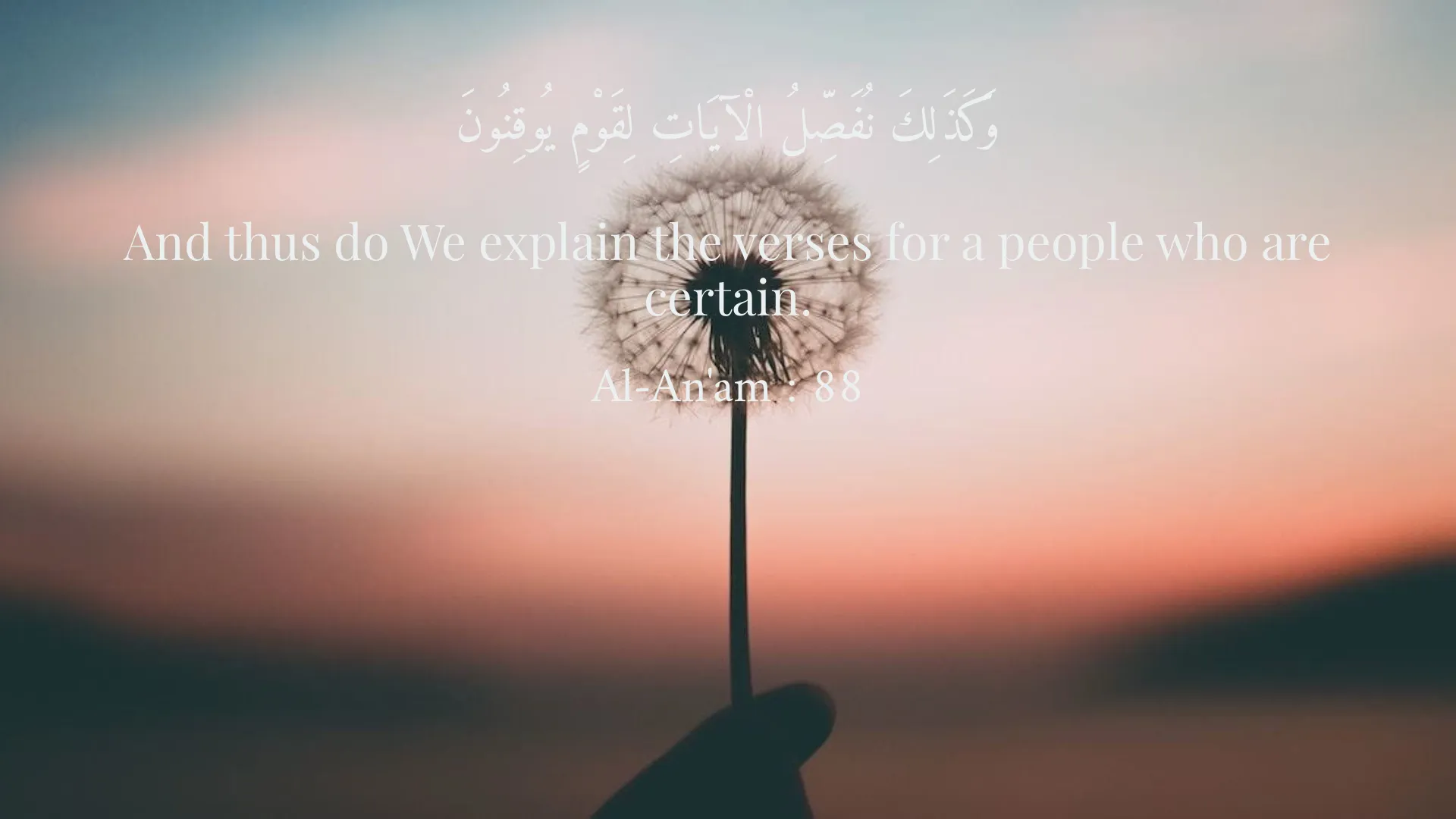
وَكَذَلِكَ نُفَصِّلُ الْآيَاتِ لِقَوْمٍ يُوقِنُونَ
And thus do We explain the verses for a people who are certain.
Al-An'am : 88
يَا أَيُّهَا الَّذِينَ آمَنُوا اتَّقُوا اللَّهَ وَقُولُوا قَوْلًا سَدِيدًا
O you who have believed, fear Allah and speak words of appropriate justice.
Al-Ma'idah : 8
رَبَّنَا إِنَّنَا آمَنَّا فَاغْفِرْ لَنَا وَارْحَمْنَا وَأَنتَ خَيْرُ الرَّاحِمِينَ
Our Lord, indeed we have believed, so forgive us and have mercy upon us, and You are the best of the merciful.
Al-Imran : 16
لَيْسَ الْبِرَّ أَنْ تُوَلُّوا وَجُوهَكُمْ قِبَلَ الْمَشْرِقِ وَالْمَغْرِبِ وَلَكِنَّ الْبِرَّ مَن آمَنَ بِاللَّهِ وَالْيَوْمِ الْآخِرِ وَالْمَلَائِكَةِ وَالْكِتَابِ وَالنَّبِيِّينَ وَآتَى الْمَالَ عَلَى حُبِّهِ ذَوِي الْقُرْبَى وَالْيَتَامَى وَالْمَسَاكِينِ وَابْنَ السَّبِيلِ وَالْمَسَائِلِينَ وَفِي الرِّقَابِ أَنْ تَقُومُوا
Righteousness is not that you turn your faces toward the east or the west, but [true] righteousness is in one who believes in Allah, the Last Day, the Angels, the Scripture, and the Prophets, and gives his wealth, in spite of his love for it, to relatives, orphans, the needy, the traveler, those who ask [for help], and for freeing slaves.
Al-Baqarah : 177
Short Story
Once upon a time, there was a man named Hassan who sought to find the light of his heart. He lived in a community where people showed kindness to one another. Hassan decided to be compassionate and do good deeds. Every day, he would share part of his earnings with the needy and play with children. Soon, Hassan's heart became bright and joyful, leading him to realize that it is through love and service to others that one can achieve a pure heart.