Quranic Answer
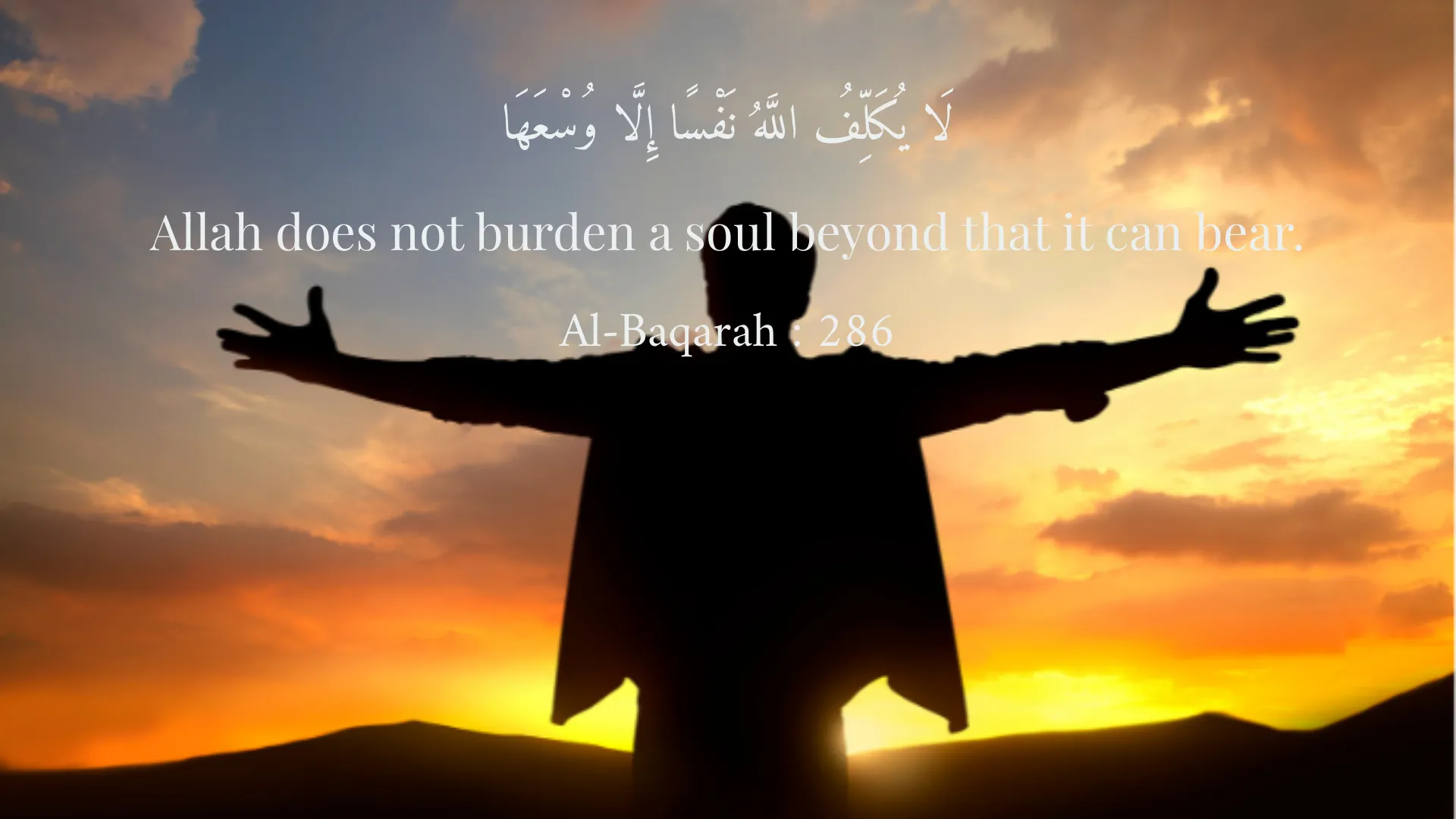
A broken heart is a state that many people experience throughout their lives. It may arise from various situations, including the end of a relationship, loss of a loved one, disappointment, or even unfulfilled dreams. Such emotional pain can feel overwhelming and isolating, making individuals question their worth and purpose. During these tumultuous times, many find refuge in spiritual texts, with the Quran serving as a vital source of comfort and guidance for millions of Muslims around the world. The teachings of the Quran provide not only a framework for understanding suffering but also practical steps towards healing and finding peace. In the Quran, Allah reassures us that everything is in His hands and that He acts as our ultimate guide. This concept is profoundly illustrated in Surah Al-Baqarah, verse 286, where Allah declares, 'Allah does not burden a soul beyond that it can bear.' This verse serves as a powerful reminder that, even amidst our troubles and failures, we should not lose hope. Allah understands our capacity for endurance, and even the most challenging trials are within the realm of our ability to overcome. For anyone experiencing a broken heart, this message offers solace, suggesting that our feelings of despair may have a larger purpose and that, ultimately, we possess the strength to rise above our circumstances. To further illustrate Allah's mercy during times of emotional difficulty, Surah Az-Zumar, verse 53 states, 'O My servants who have believed, do not despair of the mercy of Allah. Indeed, Allah forgives all sins.' This verse highlights the boundless compassion and forgiveness of God, reminding us that no matter how distanced we may feel from hope or happiness, Allah’s mercy is always within reach. The phrases ‘do not despair’ resonate deeply with those in emotional distress, encouraging believers to turn to their Creator with trust that they can be forgiven and healed, regardless of their past actions or current state. Moreover, prayer and supplication (dua) are two of the most effective and immediate means for healing a broken heart. When individuals reach out to Allah in prayer, they seek help in their darkest moments, thereby establishing and maintaining a vital connection with Him. This connection acts as both a lifeline and a balm for the soul. Surah Al-An’am, verse 17 states, 'And if Allah should touch you with adversity, there is no remover of it except Him.' This verse not only emphasizes reliance on Allah during difficult times but also invites believers to cultivate a spirit of trust in His wisdom and plan. In the act of supplication, individuals pour their hearts out, expressing their pain, confusion, and desire for relief. This intimate conversation with the Divine can lead to a profound sense of catharsis and can remind believers that they are never alone in their struggles. The reassurance of Allah being ever-present and listening provides invaluable comfort. Furthermore, the Quran encourages habits such as patience and gratitude, which are vital tools for calming our spirits. Patience, as outlined in many verses of the Quran, teaches believers to endure hardships with grace while maintaining faith in Allah’s plan. As stated in Surah Al-Baqarah, verse 153, ‘O you who have believed, seek help through patience and prayer. Indeed, Allah is with the patient.’ Knowing that Allah is with us, especially during our trials, fosters resilience, enabling us to withstand emotional storms. Expressing gratitude is another essential practice emphasized in the Quran. A sense of thankfulness, even in the face of pain, shifts our focus from what we lack towards the positives in our lives. In Surah Ibrahim, verse 7, Allah promises, 'If you are grateful, I will surely increase your favor upon you.' Thus, cultivating a heart filled with gratitude, despite one’s circumstances, opens the door to appreciating life’s blessings and encourages a mindset of abundance rather than scarcity. Additionally, community support plays a crucial role in healing a broken heart. The Quran encourages believers to come together and support one another during difficult periods. This communal aspect reinforces the notion that no one should face their struggles alone. Sharing feelings and experiences with trusted family members or friends can lighten the emotional burden and facilitate healing. Engaging in community prayer, group discussions, or seeking counsel from a knowledgeable figure can further enrich one's journey towards emotional recovery. Grief and loss may lead to feelings of emptiness, but the teachings and wisdom found in the Quran can guide individuals through this turmoil. Reflection on Quranic verses not only serves as a source of solace but also offers a proactive approach to coping with pain. Scholars often emphasize the importance of reading and reciting Quranic verses during periods of hardship, as the words resonate with divine truth and hope. For those with broken hearts, allowing the soothing sound of Quranic recitation to fill their spaces can usher in calmness and clarity. Ultimately, healing a broken heart is a journey that requires time, patience, and nurturing. By seeking a deeper connection with Allah through prayer, reflecting on the wisdom found in Quranic verses, and expressing gratitude even amidst pain, individuals can begin to mend their emotional wounds. The road to recovery may not be straightforward, and one may encounter setbacks along the way. However, holding on to faith and trust in Allah’s mercy serves as an anchor through the ebbs and flows of emotional healing. In conclusion, a broken heart may feel insurmountable at times, but within the teachings of the Quran, individuals can find profound comfort and guidance. By embracing the promises of Allah, leaning on prayer and community, practicing patience, and expressing gratitude, one can navigate the painful tides of emotional suffering. Thus, as you seek healing, remember to call upon Allah for tranquility and strength, and let the journey of mending begin.
Related Verses
لَا يُكَلِّفُ اللَّهُ نَفْسًا إِلَّا وُسْعَهَا
Allah does not burden a soul beyond that it can bear.
Al-Baqarah : 286
يَـٰعِبَادِيَ الَّذِينَ آمَـنُوا لَا تَقْنَطُوا مِن رَّحْمَةِ اللَّهِ ۚ إِنَّ اللَّهَ يَغْفِرُ الذُّنُوبَ جَمِيعًا
O My servants who have believed, do not despair of the mercy of Allah. Indeed, Allah forgives all sins.
Az-Zumar : 53
وَإِن يَمْسَسْكَ اللَّهُ بِضُرٍّ فَلا كَاشِفَ لَهُ إِلَّا هُوَ
And if Allah should touch you with adversity, there is no remover of it except Him.
Al-An'am : 17
Short Story
One day, a boy named Ehsan was filled with sadness and sorrow in his heart. He prayed to Allah and thought to himself that there were countless sorrows within him. Eventually, he decided to calm himself by remembering Allah and mentioning His name. He noticed that every time he recited dhikr, he felt better, and his sorrows eased. This story reminds us that the remembrance of Allah and supplication can be a balm for broken hearts.