Quranic Answer
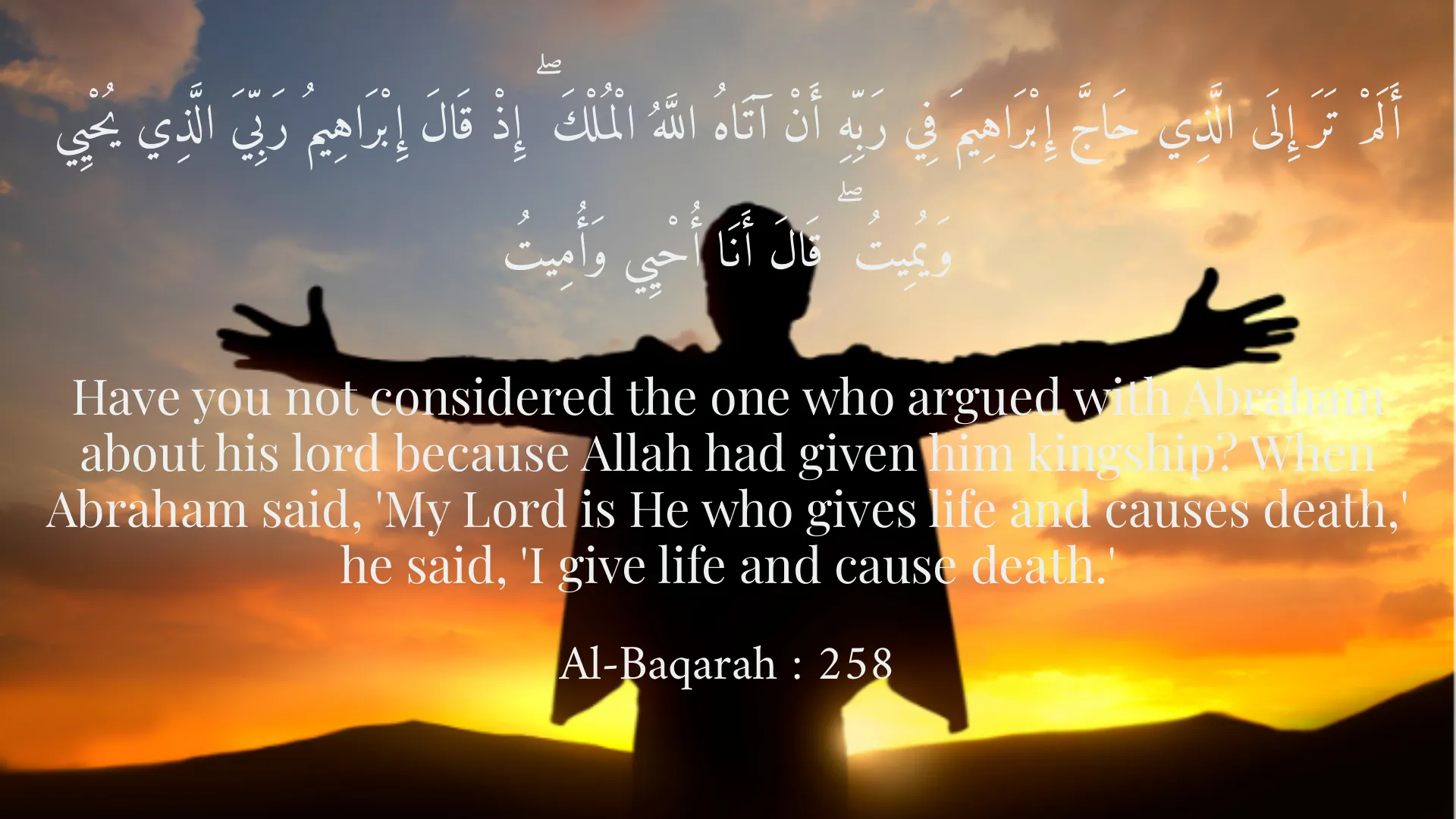
The heart holds a significant place in both a physical and a spiritual context. In an Islamic framework, the heart symbolizes our faith, our connection with God, and the essence of our moral compass. Keeping the heart alive translates into enriching our innate spiritual state, nurturing a deeper relationship with Allah, and engaging in good deeds that positively impact ourselves and our communities. This enlightening perspective is deeply anchored in the teachings of the Holy Quran, which serves as a comprehensive guide for millions of Muslims around the world. The notion of keeping the heart alive in Islam goes beyond the mere act of survival; it encapsulates the idea of thriving spiritually. To fully grasp this concept, one must consider what it means to have a 'living heart.' In Islamic terminology, a living heart is a heart that is vibrant with faith, constantly engaged in the remembrance of Allah (Dhikr), and inclined toward good deeds. It is essential to understand that the Quran emphasizes the significance of fostering a thriving spiritual state through verses that speak directly to the condition of the heart. In Surah Al-Baqarah, verse 258, Allah presents a profound dialogue involving the Prophet Abraham. The verse states: 'Have you not considered the one who argued with Abraham about his lord because Allah had given him kingship? When Abraham said, ‘My Lord is He who gives life and causes death,’ he said, ‘I give life and cause death.’' This discourse illustrates a fundamental belief in Islam: that the power to give life and take it away rests solely with Allah. Recognizing Him as the ultimate source of life instills a sense of humility and devotion within believers. It signals that as humans, we should not only seek to augment our physical existence but also strive to nurture our spiritual essence. The pursuit of keeping one's heart alive begins with fortifying this divinely ordained relationship with Allah. One primary avenue through which Muslims connect with their Creator is through Salah, or prayer. The five daily prayers serve not only as obligatory acts of worship but also as intervals in our day where we pause, reflect, and refocus our spiritual energies toward God. They provide an opportunity to cleanse the heart of worldly distractions, allowing believers to reconnect with their inner selves. Furthermore, supplication (Dua) is another vital practice in Islam. Engaging in sincere Dua establishes a line of communication between the believer and Allah. This act of pleading for divine assistance cultivates an awareness of one’s own vulnerabilities and dependence on the Almighty. It brings light into one’s life and reinforces the belief that by recognizing and articulating our needs, we can invite Allah’s mercy into our lives. Thus, the act of supplication can significantly contribute to the vitality of one’s heart. In Surah Ar-Ra’d, verse 28, Allah proclaims, ‘Unquestionably, by the remembrance of Allah hearts are assured.’ This statement resonates profoundly, highlighting that remembrance (Dhikr) is the essence of a peaceful and contented heart. Regularly engaging in Dhikr—whether through reciting Quranic verses, glorifying Allah’s attributes, or simply reflecting on His creation—acts as a nourishment that sustains the heart and soul. Further, the Quran outlines the importance of good deeds as a means to keep the heart alive. Performing acts of charity (Sadaqah), helping those in need, and maintaining good character towards others are all manifestations of a living heart. Islam places a heavy emphasis on social justice and compassion; hence, acts of kindness are not merely recommended but mandated. These deeds serve to elevate the state of the heart and strengthen the bond between individuals and their communities. The Prophet Mohammed (peace be upon him) is a shining example of this principle, as he dedicated his life to helping others and practicing integrity in all his interactions. Social responsibility is an intrinsic part of the Islamic faith; when one performs righteous actions, their heart blossoms and is invigorated. By giving charity, one fulfills a spiritual obligation while simultaneously promoting social bonds. Moreover, kindness and good manners enrich the individual’s character, further fulfilling the tenets of keeping the heart alive. Moreover, preserving the heart’s vitality also requires a commitment to justice and truthfulness. Being truthful in speech and conduct is a reflection of a healthy spiritual state. Muslims are expected to approach life with moral integrity, rejecting deceit and hypocrisy. When believers adhere to the principles of truth and justice, it fortifies their hearts against the toxicity of sin and negativity. Keeping the heart alive involves a conscious effort to refrain from sinful behavior which ultimately restricts spiritual growth. Straying from sins and ethical transgressions fosters an environment where the heart can thrive. The path to a flourishing spiritual life is underpinned by continuous self-improvement and self-awareness. It necessitates exposure to educational resources, including the study of Islamic jurisprudence and the life of the Prophet Mohammed (peace be upon him). Such practices strengthen one's ability to abide by moral principles, enhancing the quality of one’s heart and mind. Engaging with fellow believers and building a community centered around faith and positivity significantly adds to the nourishment of the heart. In conclusion, maintaining the heart in an Islamic context is a multifaceted practice that requires ongoing commitment and faith. It encompasses an array of spiritual rituals, including prayer, supplication, and remembrance of Allah, as well as the performance of good deeds, adherence to truth, and a steadfast commitment to justice. Each element serves to nourish and uplift the heart, creating a sanctuary of peace and assurance. The teachings of the Holy Quran guide believers on this journey, reflecting on the idea that only through God can the heart find life. By implementing these principles, Muslims can achieve a heart that is not only alive but thrumming with the vibrancy of faith, purpose, and community.
Related Verses
أَلَمْ تَرَ إِلَى الَّذِي حَاجَّ إِبْرَاهِيمَ فِي رَبِّهِ أَنْ آتَاهُ اللَّهُ الْمُلْكَ ۖ إِذْ قَالَ إِبْرَاهِيمُ رَبِّيَ الَّذِي يُحْيِي وَيُمِيتُ ۖ قَالَ أَنَا أُحْيِي وَأُمِيتُ
Have you not considered the one who argued with Abraham about his lord because Allah had given him kingship? When Abraham said, 'My Lord is He who gives life and causes death,' he said, 'I give life and cause death.'
Al-Baqarah : 258
أَلا بِذِكْرِ اللَّهِ تَطْمَئِنُّ الْقُلُوبُ
Unquestionably, by the remembrance of Allah hearts are assured.
Ar-Ra’d : 28
Short Story
Years ago, a man lived in a village who had become very disheartened with the world. He felt as if his heart was dead and no longer derived any joy from life. One day, he decided to visit a mosque in the village. There he met a group of believers who read the Quran every day and remembered God. He joined them and soon felt his heart awaken again. From then on, through the remembrance of God and performing good deeds, his life transformed, and he experienced peace and happiness.