Quranic Answer
In the Holy Quran, the significance of learning from past mistakes and the path of repentance is elaborately discussed, providing believers with vital lessons on self-improvement and spiritual growth. The Quran serves as a guide for Muslims, offering wisdom and insight that apply to daily living, establishing a framework in which individuals can reflect on their actions and strive for a better future. With numerous verses dedicated to the themes of error acknowledgment, repentance, and divine mercy, the Quran inspires self-awareness and encourages individuals to seek forgiveness from Allah. Firstly, let us delve into Surah At-Tawbah, verse 51, where Allah states, 'Say, 'Never will we be struck except by what Allah has decreed for us.'' This verse encapsulates the idea that every event in a person’s life occurs within Allah's wisdom and divine decree. The mention of 'decreed' highlights the belief that life is preordained by Allah, and thus every mistake we make can serve a purpose. Rather than dwelling in despair over our failures, this verse calls upon us to accept that they are part of our journey and, importantly, to learn from them. The concept of learning from our mistakes is foundational in many approaches to personal development and spiritual growth. In the Quranic context, mistakes are not merely setbacks; they serve as opportunities for growth. The acknowledgement that we are accountable for our actions fosters a sense of personal responsibility. When we understand that our experiences, both positive and negative, come from Allah, we can reflectively analyze our past actions. This self-examination encourages us to seek deeper understanding and enhances our commitment to act in alignment with divine expectations. Further exploration of the theme of repentance can be found in Surah Al-Imran, verse 135, which states, 'And those who, when they commit an immorality or wrong themselves, remember Allah and seek forgiveness for their sins.' This verse illustrates the importance of self-awareness and humility in human behavior. It recognizes the fallibility of human nature; we are all prone to commit sins and make errors. However, the essential lesson here is that not all is lost after wrongdoing. The call to 'remember Allah' serves as a reminder that his divine presence is ever-so-close to us and that redemption is always within reach. Remembering Allah suggests invoking His mercy and recalling our dependence on Him. This remembrance is not merely superficial—it is a profound act of the heart that leads to genuine repentance. The act of seeking forgiveness is a transformative process that encourages the believer to change their ways. Furthermore, this verse emphasizes that the pursuit of forgiveness should be immediate, signifying the importance of timely repentance over long-term negligence. Through this active remembrance and subsequent pursuit of forgiveness, individuals can uphold their spiritual connection with Allah, ultimately allowing for emotional healing and personal transformation. Moreover, Surah An-Nisa, verse 17, adds depth to our understanding of repentance. In it, Allah mentions, 'Repentance is not for those who continue to do evil until death approaches them.' This verse delineates the nature of true repentance, differentiating between habitual sin and sincere contrition. The characteristics of a true penitent are highlighted, asserting that a heart that genuinely seeks to return to Allah does so with commitment and earnestness. This distinction conveys that true repentance is not simply about acknowledging wrongdoing but also involves a conscious decision to discontinue the behavior that led one astray. True repentance is not just a matter of the tongue; it is intended to be a complete transformation of the individual’s lifestyle. The Quran urges us to reflect not only on our past mistakes but also upon the ways we can prevent repeating them in the future. This is a key lesson in the journey of self-improvement—understanding that while we may stumble, we must learn to rise, actively seek to correct our course and resolve within ourselves to make choices that align with righteousness. In this sense, addressing our past mistakes becomes an invaluable step towards personal growth and moral development. In conclusion, the lessons within the Quran regarding learning from past mistakes and the importance of repentance offer profound guidance to individuals striving for improvement in their lives. Each verse discussed signifies a holistic approach to addressing human shortcomings, emphasizing that mistakes should serve not as mere regretful memories but as catalysts for change. The beauty of these teachings lies in their ability to provide comfort, reassurance, and motivation to those who find themselves in moral quandaries. As individuals reflect upon their actions, seek forgiveness, and commit to growth, they embark upon a journey that brings them closer to Allah, fostering spiritual development and enhancing their overall quality of life. It is this interplay between faltering and fortitude that underlines the essence of personal growth and the continuous pursuit of a virtuous path in life.
Related Verses
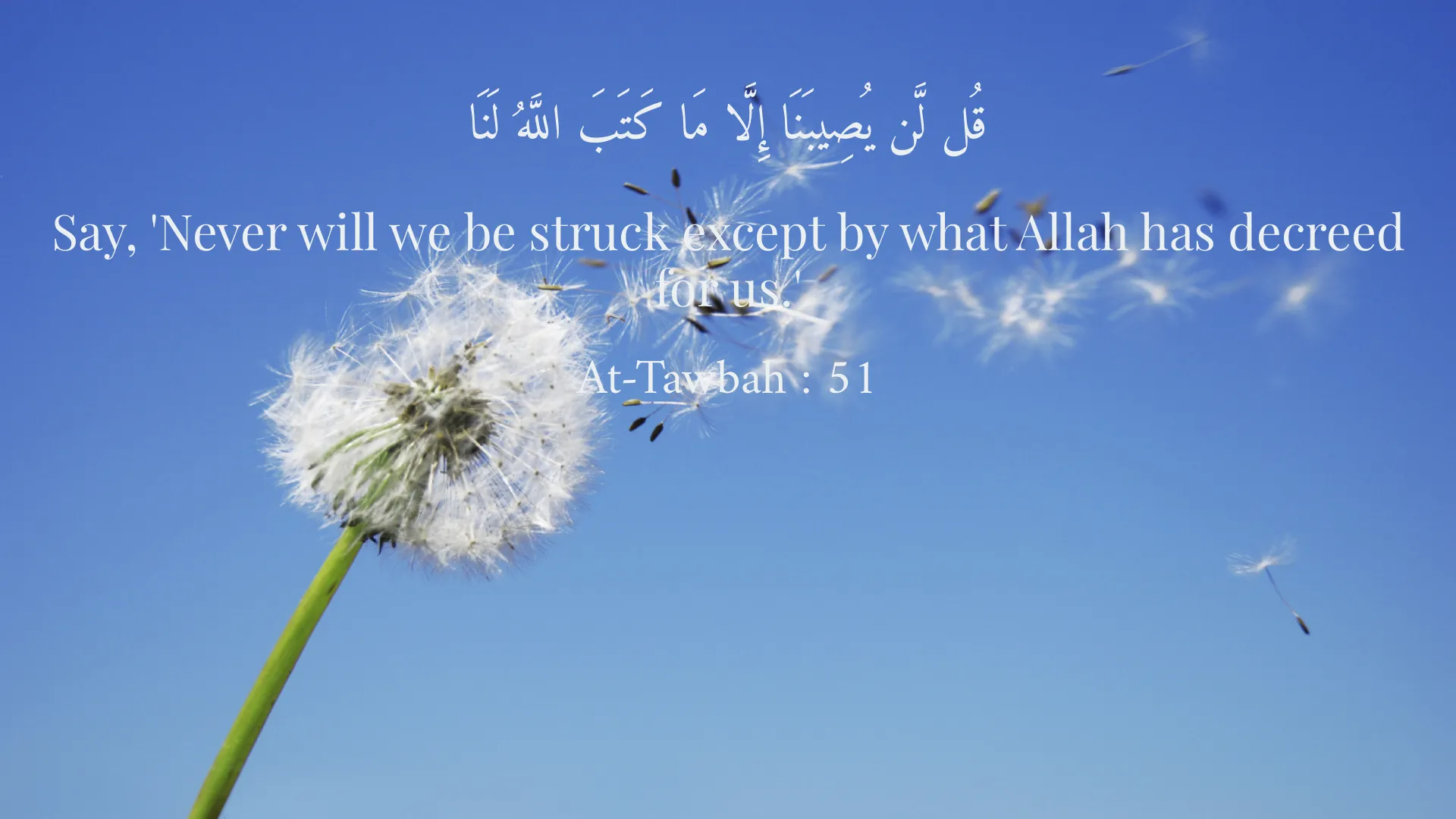
قُل لَّن يُصِيبَنَا إِلَّا مَا كَتَبَ اللَّهُ لَنَا
Say, 'Never will we be struck except by what Allah has decreed for us.'
At-Tawbah : 51
وَالَّذِينَ إِذَا فَعَلُوا فَاحِشَةً أَوْ ظَلَمُوا أَنفُسَهُمْ ذَكَرُوا اللَّهَ فَاسْتَغْفَرُوا لِذُنُوبِهِمْ
And those who, when they commit an immorality or wrong themselves, remember Allah and seek forgiveness for their sins.
Al-Imran : 135
إنما التوبة على الله للذين يعملون السوء بجهالة ثم يتوبون من قريب
Repentance is not for those who continue to do evil until death approaches them.
An-Nisa : 17
Short Story
One day, a man named Hasan was sitting in a corner reflecting on his past mistakes. He decided to put in more effort to focus on good deeds and learn from his errors. Hasan remembered his old villages and, by recalling his efforts, found a strong determination to advance in his life. Soon, with a commitment to finding innovative and positive paths, he transformed his life and felt a greater sense of hope and peace.