Quranic Answer
The question of how to cultivate a deeper intimacy with God is, in essence, the very spiritual journey of every believer, beautifully outlined in the Holy Quran. Intimacy with the Almighty does not imply physical proximity, but rather a profound spiritual, emotional, and intellectual closeness. It means perceiving Him as present and observing us in every moment of our lives, speaking to Him, and relying on Him in all circumstances. This relationship is the deepest and most enduring one a human being can experience, for Allah is our Creator and Sustainer, and our entire existence depends on Him. He is also infinitely close to us, closer than our jugular vein. The first step towards achieving this intimacy is "Ma'rifa" or "Knowledge" – a deep understanding of God. The more we know God, understand His attributes, and realize His infinite greatness, power, wisdom, and mercy, the more our love and familiarity with Him will grow. The Holy Quran, in numerous verses, introduces the attributes of Allah; He is Ar-Rahman (The Most Gracious), Ar-Rahim (The Most Merciful), Al-Ghafoor (The Forgiver), Ash-Shakur (The Appreciative), Al-Alim (The All-Knowing), Al-Hakeem (The All-Wise), Al-Qadeer (The All-Powerful), As-Sami' (The All-Hearing), and Al-Baseer (The All-Seeing). Reflecting upon the creation of the heavens and the earth, the intricate systems of the human body, the cycle of life and death, and everything that exists in the universe, opens a gateway to divine knowledge. This contemplation leads us to the conclusion that there is no refuge except Him, and no one else can untie the knots of our affairs, for He is the Master and Disposer of all things. When we comprehend His boundless generosity and compassion, we dare to share all our heart's secrets and problems with Him, just like a close friend whom we completely trust and know always desires our well-being. The second pillar of intimacy is "Dhikr" or "Constant Remembrance" of Allah. The Holy Quran states: "So remember Me; I will remember you. And be grateful to Me and do not deny Me." (Al-Baqarah, 2:152). This verse clearly demonstrates that the remembrance of God is a reciprocal relationship. When we remember Him, He remembers us and grants us special attention. Dhikr is not merely reciting "SubhanAllah," "Alhamdulillah," "La ilaha illa Allah," and "Allahu Akbar," but encompasses mindfulness and constant awareness of God's presence in all our actions, thoughts, and words. The five daily prayers are themselves the pinnacle of dhikr and a daily connection with the Almighty. In every unit of prayer (rak'ah), we speak to Him, seek His help, praise Him, and find ourselves present before Him. Prayer is the believer's ascension and an unparalleled opportunity to renew one's covenant, express servitude, and strengthen intimacy with the Creator. Striving to perform prayers on time with full presence of heart and humility profoundly impacts this closeness, as these moments are exclusive encounters with a Beloved. "Du'a" and "Supplication" are also powerful tools for increasing intimacy. Allah says in the Quran: "And when My servants ask you, [O Muhammad], concerning Me - indeed I am near. I respond to the invocation of the supplicant when he calls upon Me. So let them respond to Me [by obedience] and believe in Me that they may be [rightly] guided." (Al-Baqarah, 2:186). This verse illustrates Allah's utmost closeness, grace, and intimacy with His servants. He always has an open ear and is ready to respond, even knowing our needs before we utter a word. Speak to Allah; share your desires, worries, joys, aspirations, and even your pains with Him. Supplication is not just asking God for things to fulfill needs; it is an intimate, heartfelt conversation with Him that brings tranquility to the heart and nourishes the soul. As mentioned in Surah Ar-Ra'd, 13:28: "Those who have believed and whose hearts are assured by the remembrance of Allah. Unquestionably, by the remembrance of Allah hearts are assured." "Recitation and Reflection upon the Quran" is another unique way to foster intimacy with God. The Quran is the word of Allah, letters from our merciful Creator sent directly to us. Every verse is a message from Him to us, a guide for life, and a light for hearts. When we recite the Quran, we are essentially speaking with God, listening to His call, understanding His will, and receiving His guidance. Reflection (Tadabbur) on the verses – contemplating their deep meanings, applying them to daily life, and acting upon them – elevates our connection with God beyond mere recitation to a deeper understanding and adherence to His will. This profound understanding brings us closer to God because we grasp His desires more effectively and act accordingly. "Tawakkul" (Trust) and "Submission" to the divine will are signs of profound intimacy and trust in God. When we entrust all our affairs to Allah and believe that He orchestrates the best for us, we find peace even in the most challenging circumstances and do not worry. This reliance is a result of our knowledge of His infinite power, wisdom, and grace, and it shows how much we trust and depend on Him. Whoever relies on Allah, He is sufficient for him, and he will never be left alone or helpless: "And whoever relies upon Allah - then He is sufficient for him." (At-Talaq, 65:3). "Ihsan" (Excellence in worship and good deeds) and "Serving Creation" can also build a bridge to greater intimacy with God. When we help God's servants, we are, in fact, acting upon His command and attracting His love. Helping orphans, the poor, and the needy, visiting the sick, striving to solve others' problems, and working to improve society, demonstrate that we not only have a personal connection with God but also adhere to His social and moral injunctions. These good deeds draw Allah's love towards us and place us among His beloved and favored servants, for Allah loves the doers of good. Ultimately, intimacy with God is a gradual and continuous process that requires effort, perseverance, and steadfastness. This intimacy is strengthened through "Tawbah" (Repentance) and repeated "Returning" from sins. Each time we make a mistake and turn back to Him with genuine regret and remorse, we have, in fact, taken a step towards Him, and this return signifies our trust in divine forgiveness and His boundless love. Allah is At-Tawwab (The Accepter of Repentance) and Al-Ghaffar (The Ever-Forgiving), always ready to accept the repentance of His servants, and He loves that His servants return to Him. This intimate relationship with God not only fills our worldly life with peace, blessings, and meaning but also ensures our eternal salvation. So, let us strive in every moment of our lives to strengthen and beautify this bond of love and intimacy with our Lord. This connection will be the primary source of strength, hope, and tranquility in our challenging world and will safeguard us against life's storms.
Related Verses
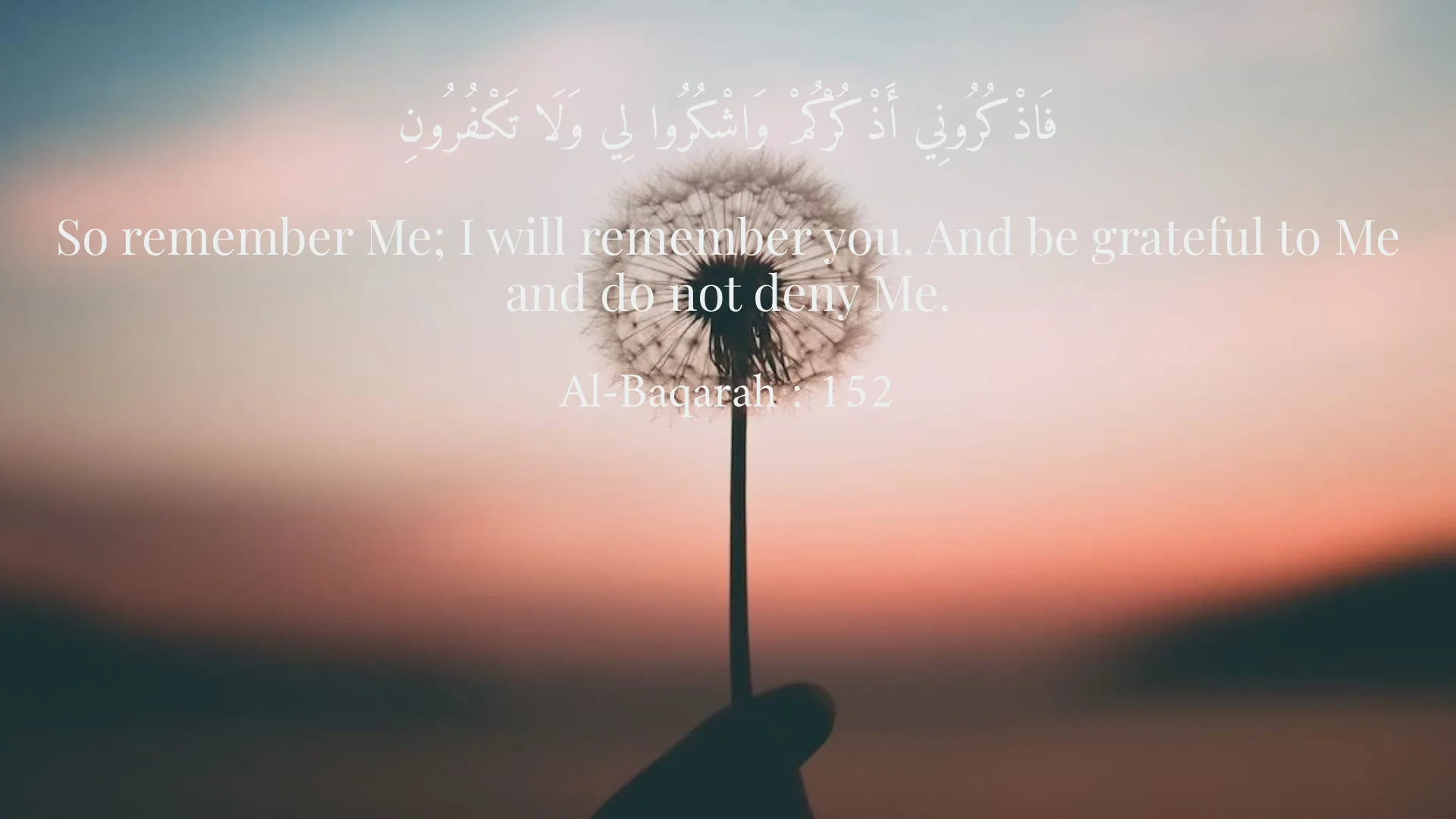
فَاذْكُرُونِي أَذْكُرْكُمْ وَاشْكُرُوا لِي وَلَا تَكْفُرُونِ
So remember Me; I will remember you. And be grateful to Me and do not deny Me.
Al-Baqarah : 152
وَإِذَا سَأَلَكَ عِبَادِي عَنِّي فَإِنِّي قَرِيبٌ ۖ أُجِيبُ دَعْوَةَ الدَّاعِ إِذَا دَعَانِ ۖ فَلْيَسْتَجِيبُوا لِي وَلْيُؤْمِنُوا بِي لَعَلَّهُمْ يَرْشُدُونَ
And when My servants ask you, [O Muhammad], concerning Me - indeed I am near. I respond to the invocation of the supplicant when he calls upon Me. So let them respond to Me [by obedience] and believe in Me that they may be [rightly] guided.
Al-Baqarah : 186
الَّذِينَ آمَنُوا وَتَطْمَئِنُّ قُلُوبُهُم بِذِكْرِ اللَّهِ ۗ أَلَا بِذِكْرِ اللَّهِ تَطْمَئِنُّ الْقُلُوبُ
Those who have believed and whose hearts are assured by the remembrance of Allah. Unquestionably, by the remembrance of Allah hearts are assured.
Ar-Ra'd : 28
Short Story
A great mystic once observed a man who prolonged his prayers excessively, prostrating with such apparent humility that it seemed his entire being was immersed in supplication. The man presented himself as exceedingly modest and ascetic. The mystic asked him, "O servant of God, where is your heart?" The man replied, "With God!" The mystic smiled and said, "If your heart were truly with God, there would be no need to display your prayer so publicly. Intimacy with a true friend is found in solitude, not in public display. No matter how beautiful your outward prayer may be, if your inner self is preoccupied with something else, you will not achieve intimacy with God." This tale teaches us that closeness to the Divine, more than being in lengthy outward acts, lies in the presence of heart and sincerity of intention.