Quranic Answer
Living a Quranic lifestyle is not merely about fulfilling rituals and acts of worship; rather, it signifies a profound and comprehensive transformation in one's outlook, behavior, and all aspects of life, deeply rooted in the teachings of our Holy Book, the Quran. The Quran is not just a book of worship; it is a complete roadmap for a prosperous life in both this world and the hereafter. This lifestyle emphasizes balance between body and soul, individual and society, worldly pursuits and the afterlife, with its ultimate goal being the attainment of divine pleasure and true tranquility. Fundamental Principles of a Quranic Lifestyle: 1. Tawhid (Oneness of God) and Sincere Worship: The foundation of any Quranic life is the recognition and worship of the One God. The Quran repeatedly emphasizes that there is no deity worthy of worship except Allah, and all human actions and intentions should be for His pleasure. This principle provides direction to humanity, saves them from confusion, and frees them from dependence on anything other than God. "And I did not create the jinn and mankind except to worship Me." (Adh-Dhariyat/51:56). This verse explicitly states that the purpose of creating jinn and mankind is nothing but to worship God. Worship here does not solely mean prayer and fasting, but encompasses all dimensions of life that align with divine pleasure. This inner monotheism allows an individual to see everything in the light of God's servitude, ensuring that every step taken is with the intention of drawing closer to Him. This perspective gives human life deep meaning and purpose, saving it from emptiness and futility. 2. Ethics and Human Virtues: The Quran is replete with ethical instructions that form the basis of a healthy society and a virtuous individual. Kindness, honesty, justice, forgiveness, patience, humility, trustworthiness, and fulfilling covenants are among the virtues strongly emphasized by the Quran. For instance, Surah An-Nisa, verse 36, provides a comprehensive list of those who deserve benevolent treatment: "And worship Allah and do not associate anything with Him, and to parents do good, and to relatives, orphans, the needy, the near neighbor, the distant neighbor, the companion by your side, the traveler, and those whom your right hands possess. Indeed, Allah does not like those who are conceited and boastful." This verse comprehensively illustrates the importance of kindness to parents, relatives, orphans, the poor, neighbors (both near and far), companions, travelers, and dependents, while also forbidding arrogance and boasting. Adhering to these ethics not only leads to personal perfection but also improves social relations and promotes peace and harmony within the community. 3. Belief in the Hereafter and Accountability: The belief in the Day of Judgment and the accountability for one's actions is the backbone of a Quranic lifestyle. This belief reminds humans that worldly life is transient, and every action, small or large, is recorded and will be accounted for in the hereafter. This perspective makes individuals more cautious and responsible in their decisions and behaviors. It encourages mindfulness and a long-term vision beyond immediate gratification, providing a strong incentive for good deeds and avoiding sins, as one knows the consequences of their actions are eternal and not limited to this life. This long-term view prevents hastiness and carelessness, guiding one towards thoughtful consideration of outcomes. 4. Moderation and Avoidance of Extremes: The Quran consistently invites humanity to moderation in all aspects of life – be it financial matters, worship, or social relations. Neither excessive indulgence in worldly pleasures nor monasticism and complete withdrawal from the world are endorsed by the Quran. A Quranic life is a balanced life that attends to both material and spiritual needs. A true Muslim is neither wasteful nor stingy; rather, they pursue the middle path in all affairs. This moderation helps individuals lead a balanced life and avoid any form of extremism that could lead to spiritual or physical harm. 5. Importance of Knowledge and Reflection: The Quran repeatedly encourages humans to reflect, ponder on divine signs, and acquire knowledge. Understanding the universe, discovering the laws of nature, and utilizing them appropriately for the betterment of human life are all valuable from the Quran's perspective. Seeking knowledge, from wherever it may come, is considered a religious duty and helps individuals better understand the greatness and wisdom of the Creator. This not only contributes to scientific and technological progress but also deepens one's insight into life and their place in existence, guiding them towards a stronger faith. 6. Patience and Reliance on Allah (Tawakkul): In facing difficulties and hardships, the Quran advises believers to seek help through patience and prayer: "O you who have believed, seek help through patience and prayer. Indeed, Allah is with the patient." (Al-Baqarah/2:153). Patience here does not mean passivity, but rather steadfastness and perseverance on the path of truth and in fulfilling one's duties. Reliance on God (Tawakkul) also brings tranquility to the human heart, freeing it from unnecessary worries and anxieties, knowing that Allah is the ultimate provider and protector. These two qualities are strong shields against life's adversities and empower believers to face challenges without losing hope or falling into despair. 7. Spending in Charity and Helping the Needy (Infaq): Giving charity and helping those in need is one of the important pillars of a Quranic lifestyle. The Quran repeatedly encourages believers to provide financial and moral assistance to the poor, orphans, and travelers, considering it an investment for the hereafter. This act not only purifies wealth but also strengthens social cohesion and reduces economic disparities. Those who give charity experience inner satisfaction and peace, knowing that through their generosity, they have helped others and earned God's pleasure. 8. Respecting Boundaries and Rights of Others: The Quran emphasizes observing individual and social rights, respecting privacy, and refraining from backbiting, slander, and spying. It also insists on the importance of the family as the core unit of society and the necessity of preserving it, outlining specific rights and responsibilities for each member. These principles ensure the psychological and social security of individuals and the strengthening of the family and community foundations. An individual who respects the rights of others creates a safe environment built on mutual trust, which is essential for growth and flourishing. How to Implement These Principles in Life: * Recitation and Reflection on the Quran: The first step is to establish a deep connection with the Quran. Mere reading is not enough; one must ponder its meanings and grasp its messages. Every verse can serve as guidance for improving an aspect of our lives. Participating in Quranic tafsir (exegesis) sessions and studying relevant books can deepen this understanding. * Prayer (Salat) and Remembrance (Dhikr): Prayer is the pillar of faith and the believer's ascension. Daily connection with God through prayer purifies the soul and grants strength and tranquility. Constant remembrance of God throughout the day also helps maintain mindfulness and avoid heedlessness, strengthening the spiritual connection with the Creator. * Emulating the Prophet (PBUH): The life of Prophet Muhammad (peace be upon him) is the practical embodiment of a Quranic lifestyle. Studying his biography (Seerah) and striving to emulate his ethics and conduct can be a great guide. He stated, "I was sent to perfect noble character," and his character was indeed the Quran walking. * Self-Correction and Accountability: Every day, one should review their actions and intentions, identify weaknesses, and strive to correct them. Repentance and turning back to God are always open doors for rectifying mistakes. This continuous process of self-awareness and striving for betterment is an integral part of a Quranic life. * Serving Humanity: The best way to draw closer to God is by serving His creation. Resolving others' problems, alleviating their burdens, helping fellow humans, and performing good deeds are among the actions strongly emphasized by the Quran. These services are not limited to material needs but also include emotional and spiritual support. * Time and Resource Management: A true Muslim manages their time and financial resources wisely. They are neither wasteful nor stingy. They understand that all blessings come from Allah and should be utilized in the best possible way, ensuring the rights of the poor and needy are fulfilled. This wise management reflects their understanding of these blessings as a trust in their hands. Conclusion: A Quranic lifestyle is a comprehensive way of living that guarantees prosperity in this world and the hereafter. This path not only brings tranquility and meaning to an individual but also transforms them into an active and constructive member of society. By following these principles and striving continuously to align with Quranic paradigms, we can lead more fruitful, meaningful lives filled with divine satisfaction. This journey requires commitment, reflection, and continuous action, but its fruits are sweet and enduring; fruits that bring peace in this world and salvation in the hereafter.
Related Verses
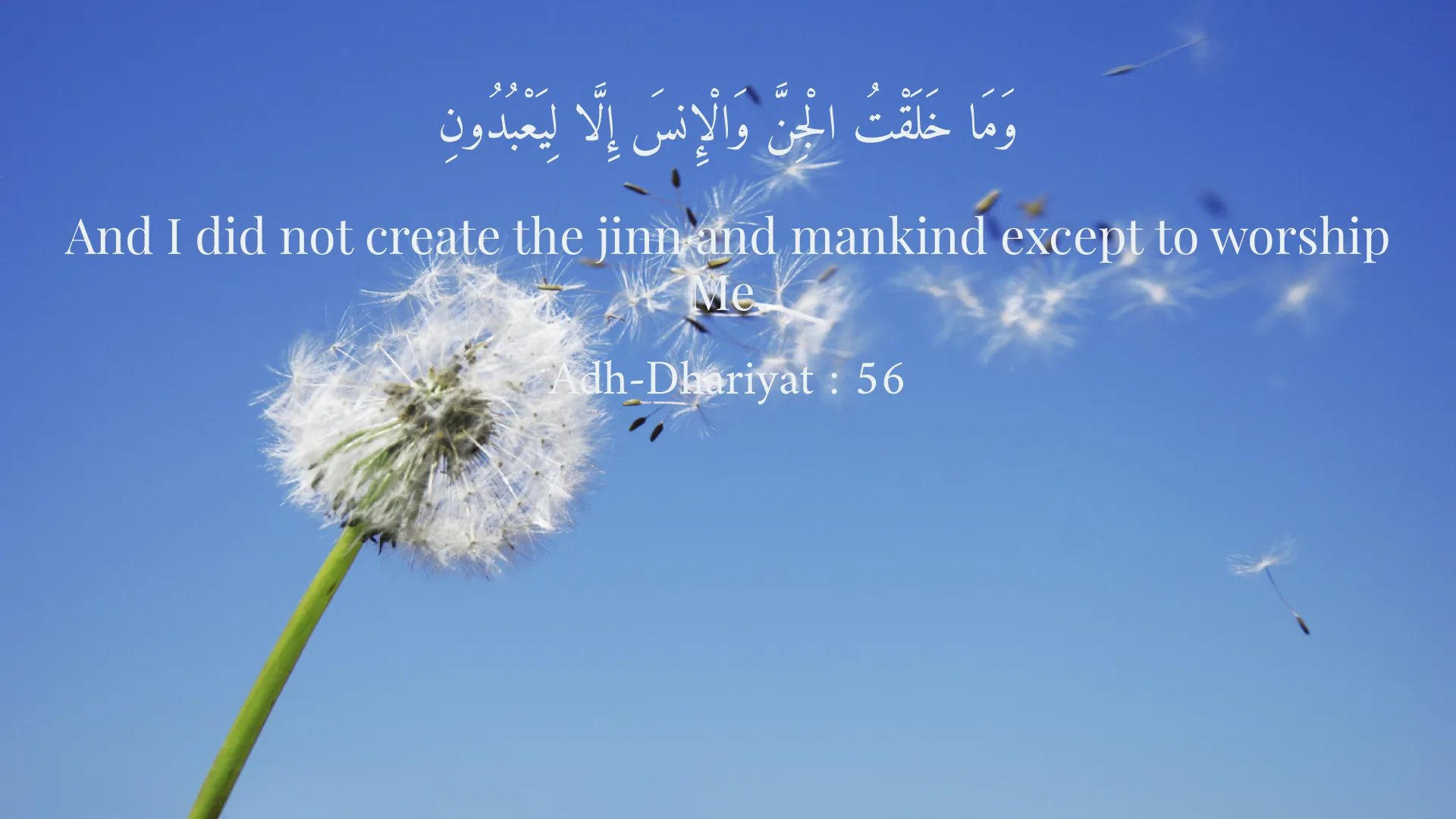
وَمَا خَلَقْتُ الْجِنَّ وَالْإِنسَ إِلَّا لِيَعْبُدُونِ
And I did not create the jinn and mankind except to worship Me.
Adh-Dhariyat : 56
وَاعْبُدُوا اللَّهَ وَلَا تُشْرِكُوا بِهِ شَيْئًا ۖ وَبِالْوَالِدَيْنِ إِحْسَانًا وَبِذِي الْقُرْبَىٰ وَالْيَتَامَىٰ وَالْمَسَاكِينِ وَالْجَارِ ذِي الْقُرْبَىٰ وَالْجَارِ الْجُنُبِ وَالصَّاحِبِ بِالْجَنبِ وَابْنِ السَّبِيلِ وَمَا مَلَكَتْ أَيْمَانُكُمْ ۗ إِنَّ اللَّهَ لَا يُحِبُّ مَن كَانَ مُخْتَالًا فَخُورًا
And worship Allah and do not associate anything with Him, and to parents do good, and to relatives, orphans, the needy, the near neighbor, the distant neighbor, the companion by your side, the traveler, and those whom your right hands possess. Indeed, Allah does not like those who are conceited and boastful.
An-Nisa : 36
يَاأَيُّهَا الَّذِينَ آمَنُوا اسْتَعِينُوا بِالصَّبْرِ وَالصَّلَاةِ ۚ إِنَّ اللَّهَ مَعَ الصَّابِرِينَ
O you who have believed, seek help through patience and prayer. Indeed, Allah is with the patient.
Al-Baqarah : 153
Short Story
One day, a king asked a pious dervish: "O wise man, how is it that despite all the turmoil of the world and the worries of life, your heart is always at peace and your face is smiling?" The dervish replied with a warm smile: "O King, the secret of this tranquility lies in two things: My heart is always with the Creator, and my hands are busy serving creation. I take only what I need from the world, and I use whatever I have with gratitude. This way, my soul is nourished, and my being is filled with divine satisfaction. As Saadi says, 'Not everyone who shaves his head knows the way of a Qalandar.' True Qalandarism is in the heart, not in outward appearance. Whoever's heart is with God and whose steps are on the path of goodness, it is he who attains true peace and experiences a Quranic life."