Quranic Answer
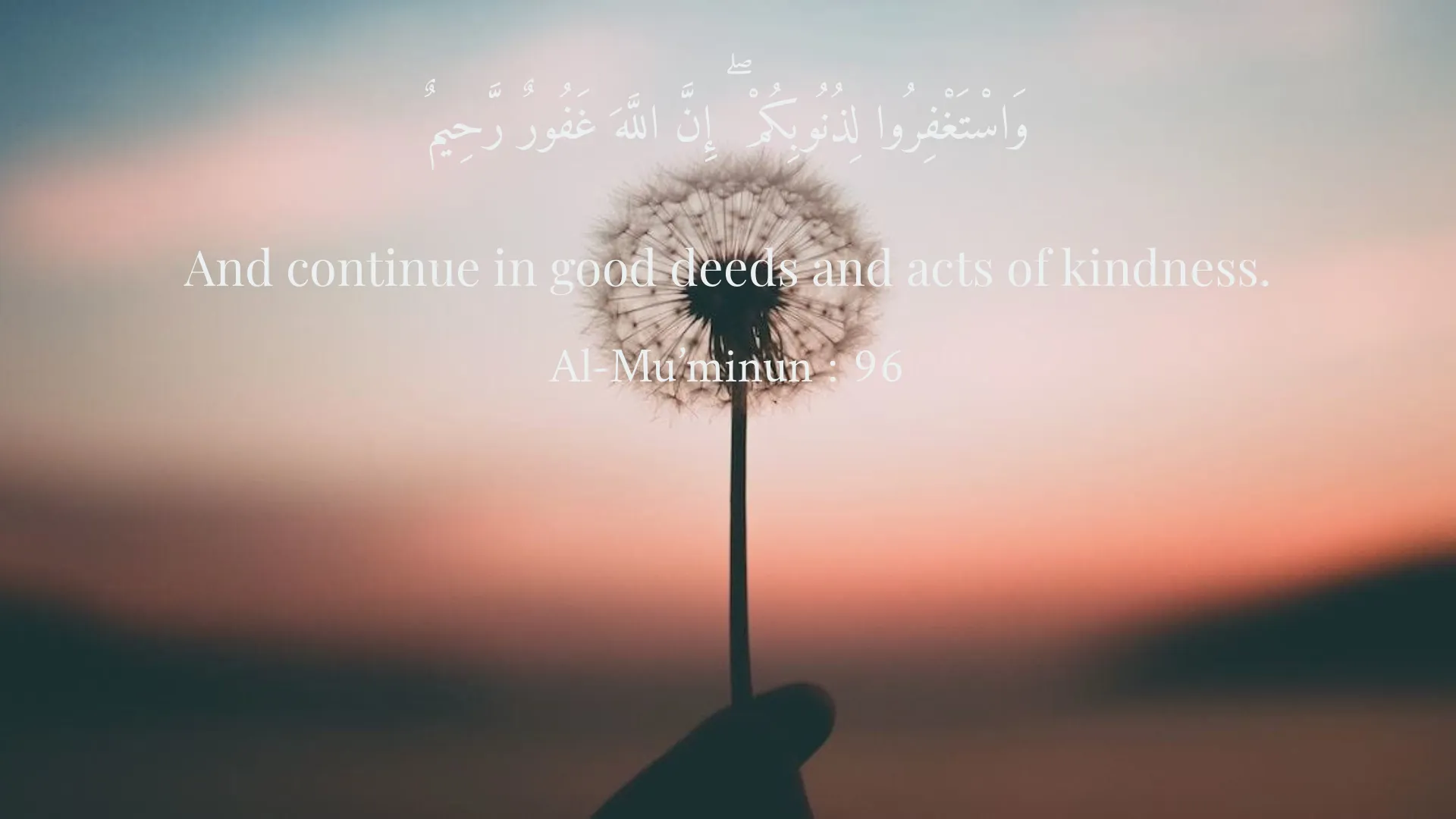
Goodness is emphasized in the Quran as one of the most important characteristics and acts of worship. It encapsulates the essence of morality, virtue, and righteousness, and serves as a guiding principle for Muslims in their daily lives. In an age where the world is often fraught with negativity, conflict, and divisiveness, the Quran's teachings on goodness provide a refreshing and profoundly necessary perspective on how to navigate life with integrity and compassion. At the heart of the concept of goodness is the notion of purifying one’s intention. This is fundamental in Islam; it's the intention behind every action that defines its value. The Quran instructs believers to strive for goodness solely for the pleasure of Allah, rather than for personal gain or social recognition. Such sincerity in intention transforms the act of doing good into an act of worship. In Surah Al-Mu’minun, verse 96, Allah instructs the believers: 'And continue in good deeds and acts of kindness.' This directive carries immense significance as it underscores not just the relevance of performing good actions, but the need for persistence in doing so. Goodness is not always easy to uphold, especially in challenging times. Therefore, making goodness a habit requires deliberate effort and perseverance. One effective strategy is to start small. By performing one good deed daily, you can gradually cultivate a lifestyle steeped in kindness and compassion. These good deeds can range from helping a neighbor with groceries, volunteering at a local charity, being kind to family members, or engaging in positive conversations with those around you. The beauty of this approach lies in its simplicity; even the smallest acts of kindness, when done consistently, can lead to monumental changes in character and perspective. Additionally, it is crucial to engage in the remembrance of Allah through practices such as prayer, meditation, and reflection. This spiritual connection not only enhances one’s faith but also instills a desire to do good. The power of prayer cannot be overlooked, as it cultivates an environment where one can seek guidance and strength from Allah. In Surah Al-Imran, verse 133, the Quran specifies that the repentant and those who do good deeds will be forgiven their sins. This verse serves as a reassurance that turning away from wrongdoing and committing oneself to righteousness will be met with mercy from Allah. It emphasizes that everyone has the opportunity for repentance and improvement, no matter their past actions. Furthermore, it is critical to understand that goodness transcends the boundaries of ritual worship and is reflected in every aspect of life. In Surah Al-Baqarah, verse 177, believers are reminded that righteousness does not solely hinge on performing prayers or fasting, but also encompasses our conduct with others. This implies that goodness should manifest in our interactions, relationships, and dealings with people, whether they are fellow Muslims or individuals from other walks of life. Such an understanding promotes a holistic approach to goodness, encouraging believers to integrate compassion and kindness into all facets of their existence. Moreover, building and maintaining relationships with individuals who practice goodness can significantly bolster one’s commitment to leading a righteous life. Surrounding oneself with like-minded individuals can provide motivation and accountability, creating a supportive network that reinforces the values of kindness and altruism. Social circles often have a profound impact on behavior, and being around those who prioritize goodness will naturally inspire similar actions. Engaging with communities that champion good conduct can lead to shared projects, initiatives, and camaraderie centered around uplifting each other and fulfilling collective purposes derived from the teachings of Islam. The essence of goodness is also rooted in compassion and empathy. It urges us to see the world through the eyes of others, fostering a sense of interconnectedness. In times of hardship, a good deed can uplift a person's spirit or provide the relief they desperately need. Hence, the impact of goodness is not limited to the giver; it reverberates through communities and society at large. This ripple effect is one of the transformative powers of engaging in good deeds, as one small act can inspire an entire chain reaction of kindness. Ultimately, goodness is not just a series of actions, but a profound commitment to living ethically, morally, and justly in the eyes of Allah. The Quran serves as a comprehensive guide for Muslims to understand the depth and breadth of goodness, urging believers to constellate their lives around this principle. Cultivating goodness requires intentional actions, a sincere heart, and the constant remembrance of Allah. It calls for resilience against the temptations of immediate gratification and societal pressures that may lead one astray from a righteous path. As you navigate through life, let your actions stand as a testament to the teachings of the Quran. Make goodness a priority and a habit, nurturing a spirit of kindness in everything you do. In doing so, not only will you uplift yourself spiritually and morally, but you will also inspire those around you to embrace the values of goodness, leading to a collective healing and transformation within society. This is the journey of goodness, a journey rooted in love, compassion, and unwavering faith.
Related Verses
وَاسْتَغْفِرُوا لِذُنُوبِكُمْ ۖ إِنَّ اللَّهَ غَفُورٌ رَّحِيمٌ
And continue in good deeds and acts of kindness.
Al-Mu’minun : 96
وَسَارِعُوا إِلَى مَغْفِرَةٍ مِّن رَّبِّكُمْ وَجَنَّةٍ عَرْضُهَا كَعَرْضِ السَّمَاءِ وَالْأَرْضِ أُعِدَّتْ لِلْمُتَّقِينَ
And race towards forgiveness from your Lord and a garden whose width is like the width of the heavens and the earth.
Al-Imran : 133
ليس البرَّ أن تُوَلُّوا وجوهَكُم قِبَلَ المشرق والمغرب ولكن البرَّ من آمن بالله واليوم الآخر والملائكة والكتاب والنبيين وآتى المال على حبه ذوي القربى واليتامى والمساكين وابن السبيل والسائلين وفي الرِّقاب وأقام الصَّلاة وآتى الزكاة والموفون بعهودهم إذا عاهدوا والصابرين في البأساء والضراء وحين البأس.
Righteousness is not that you turn your faces toward the east or the west, but righteousness is in one who believes in Allah, the Last Day, the Angels, the Book, and the Prophets, and gives his wealth, in spite of his love for it, to relatives, orphans, the needy, the traveler, those who ask [for help], and for freeing slaves.
Al-Baqarah : 177
Short Story
Once upon a time, there was a kind-hearted man named Rustam, who always thought about doing good for others. One day, he came across an elderly man in need of help. Rustam helped him without hesitation, and this act of kindness brought him a joy he had never felt before. He continued to do so regularly, and helping others became an innate part of his daily routine.