Quranic Answer
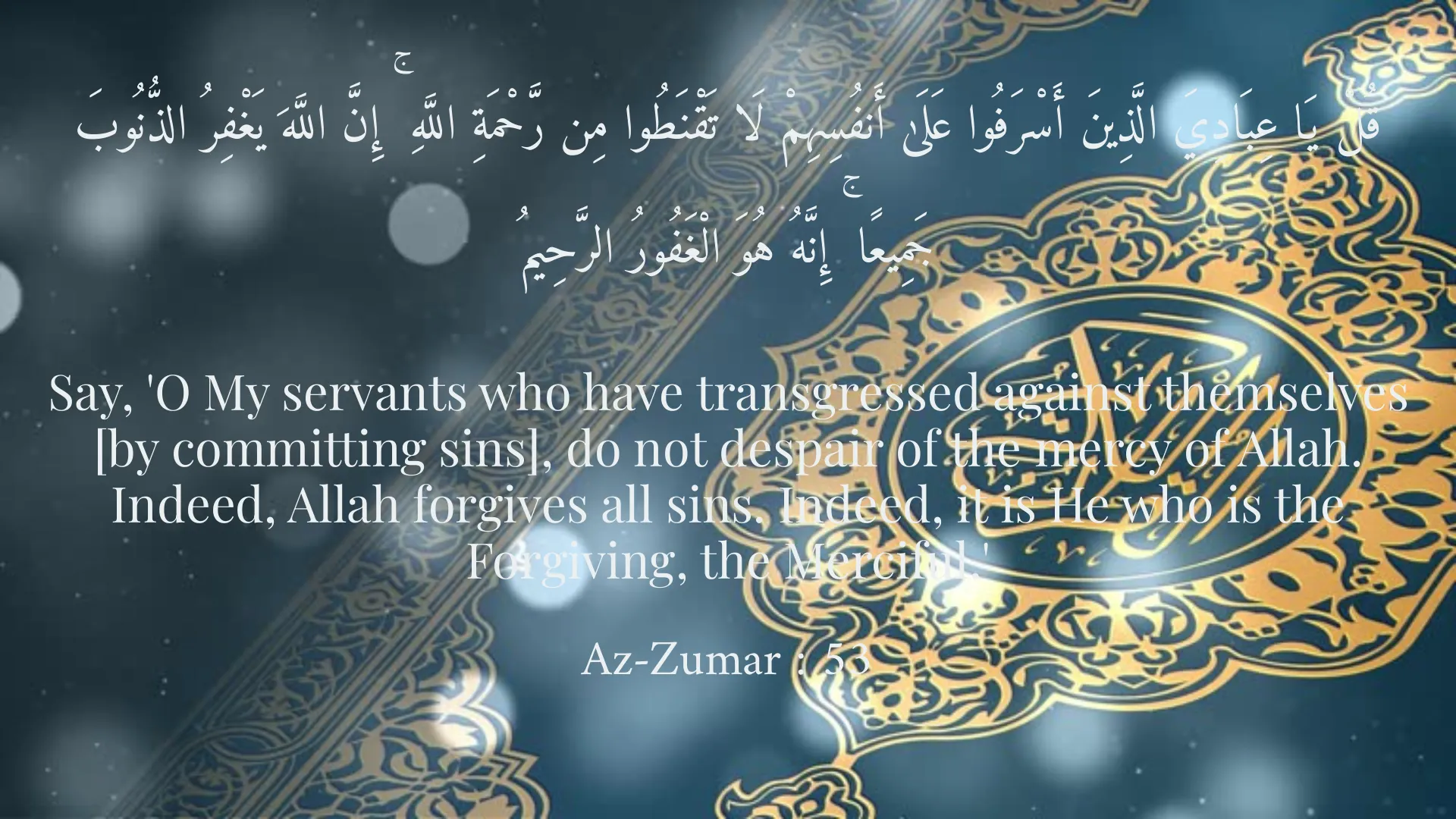
The feeling of regret and guilt over past actions is, in itself, a sign of a living conscience and spiritual vitality within a person. Although this feeling can be heavy and overwhelming, it is an opportunity to return to God and find true peace. The Holy Quran, which is a book of guidance and mercy, shows a clear path to making peace with past sins and starting a new chapter in life. This path is built upon the fundamental principles of sincere repentance (Tawbah), seeking forgiveness (Istighfar), and absolute reliance on the boundless mercy of Allah. The first and most crucial step is sincere repentance, known as Tawbah Nasuh. Tawbah Nasuh means a pure and heartfelt return to Allah, a return that stems not merely from fear, but from love, a profound understanding of the gravity of the sin, and a yearning for closeness to the Almighty. There are three essential pillars for Tawbah Nasuh: immediately abandoning the sin, experiencing deep regret and remorse for what has passed, and making a firm resolve not to return to that sin in the future. This regret and resolve must emanate from the depths of one's being. The Holy Quran in Surah At-Tahrim, verse 8, states: 'O you who have believed, repent to Allah with sincere repentance. Perhaps your Lord will remove from you your misdeeds and admit you into Gardens beneath which rivers flow...' This verse is not only an invitation to repent but also a promise of forgiveness and immense divine reward for truly repentant individuals. Following repentance, the next step is Istighfar, which means seeking forgiveness from Allah. Istighfar is both verbal and heartfelt. Uttering 'Astaghfirullah Rabbi wa Atubu Ilayh' (I seek forgiveness from Allah, my Lord, and I repent to Him) is not just a mere utterance, but an expression of remorse and a plea for pardon with one's entire being. Allah has repeatedly emphasized His attributes as Al-Ghafour (The Oft-Forgiving) and Ar-Rahim (The Most Merciful) in the Quran. The most significant verse in this regard is Surah Az-Zumar, verse 53, which says: 'Say, 'O My servants who have transgressed against themselves [by committing sins], do not despair of the mercy of Allah. Indeed, Allah forgives all sins. Indeed, it is He who is the Forgiving, the Merciful.'' This verse illuminates the light of hope in the heart of every person who regrets their sins, emphasizing that no sin is so great that Allah's mercy and forgiveness cannot encompass it. Despairing of Allah's mercy is, in itself, a greater sin. Another way to make peace with past sins and purify the soul is through performing righteous and good deeds. The Holy Quran in Surah Hud, verse 114, states: 'And establish prayer at the two ends of the day and at the approach of the night. Indeed, good deeds do away with ill deeds. That is a reminder for those who remember.' This verse demonstrates that performing good deeds, such as prayer, charity, helping the needy, treating people kindly, and any other righteous act, has the power to erase the effects of sins. Allah has even promised to transform the sins of some repentant individuals into good deeds, as mentioned in Surah Al-Furqan, verse 70: 'Except for those who repent, believe and do righteous work. For them Allah will change their evil deeds into good ones. And ever is Allah Forgiving and Merciful.' This extraordinary promise highlights the pinnacle of Allah's kindness and generosity. Furthermore, if the sin you committed involved violating the rights of others (Huquq al-Ibad) – meaning it caused harm to someone's property, reputation, or life – then compensating for it to the best of your ability and seeking forgiveness from the wronged individual is an essential condition for the acceptance of repentance. This act is a sign of sincerity in repentance and respect for the rights of others. Even if direct compensation is not possible, one can pray for the individual and ask Allah to make them pleased with you. Finally, another crucial point is that after repentance and fulfilling the aforementioned steps, one should not dwell on the past or constantly blame oneself. Making peace with the past means accepting it, learning from mistakes, and then moving forward. Instead of being consumed by guilt and despair, one should focus on building a better and more pleasing future for Allah. Allah loves for His servant, after repentance, to return to life with fresh energy and hope, and to embark on the path of growth and perfection. True peace and self-reconciliation are achieved when a person knows that the ocean of Allah's mercy is boundless and that He is always ready to accept His repentant servants. This inner journey begins with firm steps and a heart confident in the Lord, culminating in eternal tranquility under the shadow of divine grace.
Related Verses
قُلْ يَا عِبَادِيَ الَّذِينَ أَسْرَفُوا عَلَىٰ أَنفُسِهِمْ لَا تَقْنَطُوا مِن رَّحْمَةِ اللَّهِ ۚ إِنَّ اللَّهَ يَغْفِرُ الذُّنُوبَ جَمِيعًا ۚ إِنَّهُ هُوَ الْغَفُورُ الرَّحِيمُ
Say, 'O My servants who have transgressed against themselves [by committing sins], do not despair of the mercy of Allah. Indeed, Allah forgives all sins. Indeed, it is He who is the Forgiving, the Merciful.'
Az-Zumar : 53
إِلَّا مَن تَابَ وَآمَنَ وَعَمِلَ عَمَلًا صَالِحًا فَأُولَٰئِکَ یُبَدِّلُ اللَّهُ سَیِّئَاتِهِمْ حَسَنَاتٍ ۗ وَکَانَ اللَّهُ غَفُورًا رَّحِیمًا
Except for those who repent, believe and do righteous work. For them Allah will change their evil deeds into good ones. And ever is Allah Forgiving and Merciful.
Al-Furqan : 70
وَأَقِمِ الصَّلَاةَ طَرَفَیِ النَّهَارِ وَزُلَفًا مِّنَ اللَّیْلِ ۚ إِنَّ الْحَسَنَاتِ یُذْهِبْنَ السَّیِّئَاتِ ۚ ذَٰلِکَ ذِکْرَىٰ لِلذَّاکِرِینَ
And establish prayer at the two ends of the day and at the approach of the night. Indeed, good deeds do away with ill deeds. That is a reminder for those who remember.
Hud : 114
Short Story
It is said that in ancient times, there lived a man named 'Amin' who for many years carried the heavy burden of his past sins. Wherever he went, the shadow of regret followed him, and sleep had forsaken his eyes. One day, with a broken heart and a troubled soul, he sought out a wise old man in a secluded village. Amin recounted his story and asked the sage, 'How can I rid myself of this heavy burden and make peace with my past?' The wise elder smiled and said, 'O Amin, whoever doubts the generosity of God has deprived himself of His boundless mercy. The burden you carry is not from your sins, but from your despair. God is an ocean, and your sin is but a drop. Now, arise and turn to Him with all your being. With sincere repentance, lay your burden at His doorstep. Know that He is more forgiving than you can imagine.' Amin heard the words of the elder, and tears streamed from his eyes. He repented right there and, with a heart full of hope, began anew. From that day on, Amin not only made peace with his past but transformed his life into a beacon for others through good deeds and prayers, finding eternal tranquility within himself.