Quranic Answer
Transforming worship into an enjoyable and invigorating part of life is the aspiration of many believers. Often, worship is perceived as a burdensome duty or a series of dry, spiritless acts, whereas in Quranic teachings, worship is a path to inner peace, a deep connection with the Creator, and the discovery of life's true meaning. The Holy Quran offers abundant guidance for attaining this inner pleasure, shifting our relationship from mere obligation to a passionate, loving, and zealous experience with God. The fundamental key to this transformation is understanding that worship is not merely limited to outward acts like prayer and fasting but encompasses every thought, action, and intention performed in pursuit of God's pleasure and service to Him and His creation. When this perspective broadens, every moment of life can become an opportunity for worship, thereby making its spiritual pleasure more pervasive. The first, and perhaps most important, step to making worship enjoyable is "Ikhlas" or sincerity. Sincerity means performing an act solely for the pleasure of God, without any partner or other intention. In Surah Al-Bayyinah, verse 5, Allah says: "And they were not commanded except to worship Allah, [being] sincere to Him in religion, inclining to truth, and to establish prayer and to give zakah. And that is the correct religion." When worship is done with sincerity, the burden of duty is lifted from one's shoulders, replaced by a pure love and a direct connection with the Lord. One feels that they are acting not for show, nor to gain others' attention, nor even for Paradise, but solely and purely for their true Beloved. This pure intention breathes spirit into the action, transforming it from a meaningless habit into a loving conversation. Secondly, "Dhikr," or the constant remembrance of God, is crucial. In Surah Ar-Ra'd, verse 28, the Holy Quran states: "Those who have believed and whose hearts are assured by the remembrance of Allah. Unquestionably, by the remembrance of Allah hearts are assured." This verse articulates a profound psychological truth. In today's chaotic world, where hearts are severely burdened by worries and stresses, divine remembrance serves as a safe refuge and a wellspring of tranquility. When one's heart is mindful of God, whether through glorification (tasbih), recitation of the Quran, or contemplation of divine verses and His signs in the universe, the heart is freed from anxiety and finds peace in the presence of the Lord. This inner peace is, in itself, the greatest pleasure derived from true worship. The more constant and profound this remembrance, the greater the pleasure derived from it. Moments of solitude with God in prayer, reciting the Quran with contemplation of its meanings, and supplication (du'a) and communion are all manifestations of Dhikr that can be filled with pleasure. "Tadabbur" (contemplation) of the verses of the Quran and the meanings of prayer also plays a significant role in making worship enjoyable. Many of us pray or recite the Quran without deeply reflecting on the meanings of the words. In Surah Muhammad, verse 24, Allah asks: "Then do they not reflect upon the Qur'an, or are there locks upon [their] hearts?" This verse reminds us that merely reciting words is not enough. When we understand the meaning of the verses we read or the supplications we whisper, a deeper connection is established. Prayer transforms from a series of repetitive movements and words into a meaningful conversation with God. Contemplating the grandeur of divine words, the wisdom of divine decrees, and the subtlety of Quranic teachings multiplies the depth and pleasure of worship manifold. "Shukr" (gratitude) is also a vital factor in transforming worship into pleasure. When one contemplates the countless divine blessings and understands that everything they possess comes from Him, a deep sense of gratitude forms within. In Surah Ibrahim, verse 7, it says: "And [remember] when your Lord proclaimed, 'If you are grateful, I will surely increase you you; but if you deny, indeed, My punishment is severe.'" Worship is the pinnacle of gratitude. Every prostration, every bowing, and every supplication can be an expression of this heartfelt thankfulness. When we view prayer not as a burden, but as an opportunity to express appreciation, its pleasure doubles. This sense of gratitude shifts our perspective on life, guiding us towards a life of greater contentment and appreciation. Ultimately, "love for Allah" is the most fundamental factor for pleasure in worship. In Surah Al-Baqarah, verse 165, the Holy Quran states: "And [yet], among the people are those who take other than Allah as equals [to Him]. They love them as they should love Allah. But those who believe are stronger in love for Allah." When one truly loves Allah, every act performed for Him is done out of desire and eagerness, not out of compulsion. For such an individual, worship is a loving encounter, an intimate conversation, and moments filled with divine presence. This love drives a person towards greater obedience and closeness to God, and consequently, they find pleasure in every action that brings His satisfaction. This pleasure transcends fleeting worldly enjoyments, bestowing upon a person lasting inner peace and spiritual richness. Therefore, by strengthening sincerity, persevering in remembrance, contemplating the verses, expressing deep gratitude, and nurturing divine love in the heart, we can make worship not just a duty, but the sweetest and most pleasurable part of our lives.
Related Verses
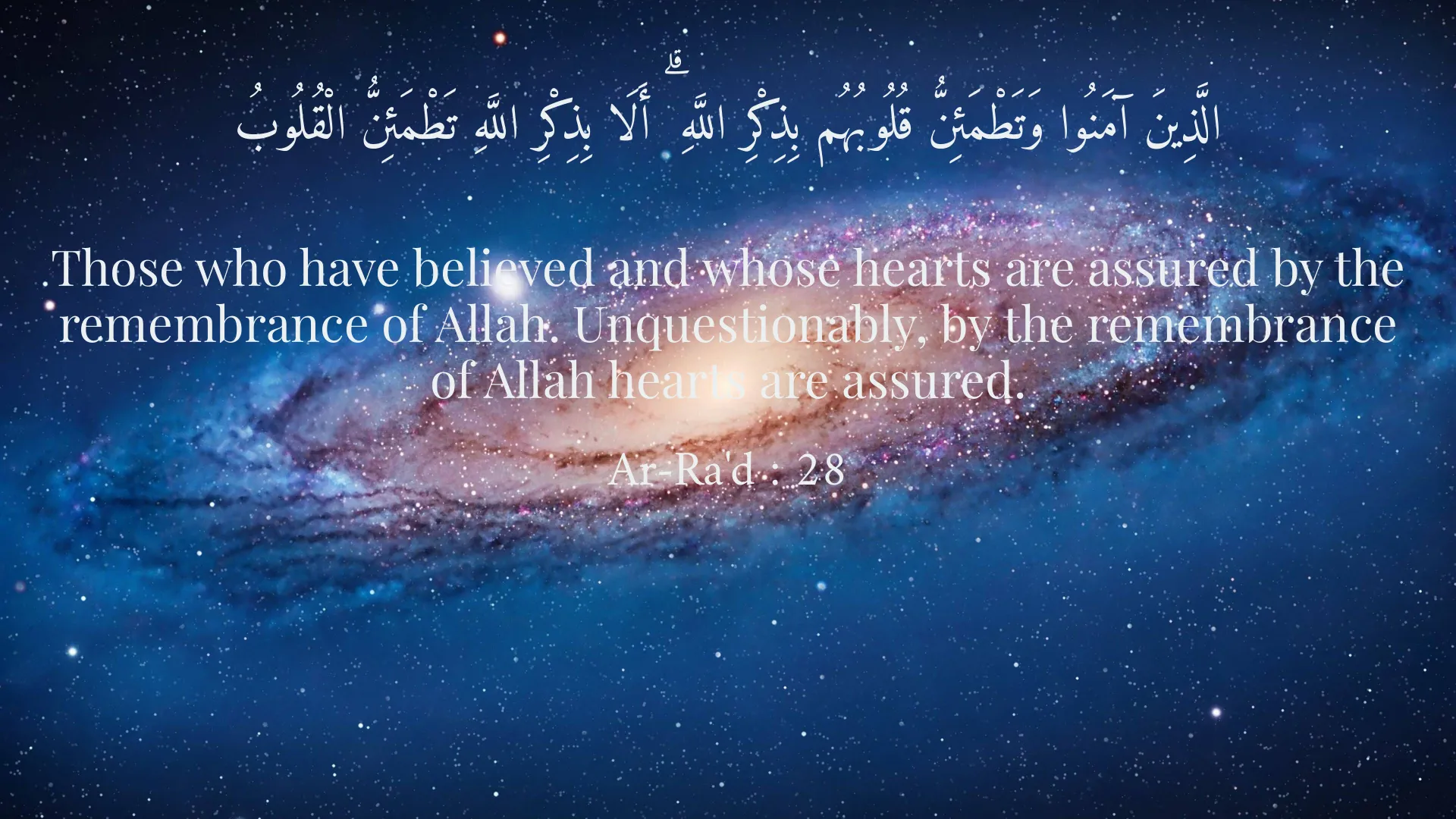
الَّذِينَ آمَنُوا وَتَطْمَئِنُّ قُلُوبُهُم بِذِكْرِ اللَّهِ ۗ أَلَا بِذِكْرِ اللَّهِ تَطْمَئِنُّ الْقُلُوبُ
Those who have believed and whose hearts are assured by the remembrance of Allah. Unquestionably, by the remembrance of Allah hearts are assured.
Ar-Ra'd : 28
وَمَا أُمِرُوا إِلَّا لِيَعْبُدُوا اللَّهَ مُخْلِصِينَ لَهُ الدِّينَ حُنَفَاءَ وَيُقِيمُوا الصَّلَاةَ وَيُؤْتُوا الزَّكَاةَ ۚ وَذَٰلِكَ دِينُ الْقَيِّمَةِ
And they were not commanded except to worship Allah, [being] sincere to Him in religion, inclining to truth, and to establish prayer and to give zakah. And that is the correct religion.
Al-Bayyinah : 5
وَمِنَ النَّاسِ مَن يَتَّخِذُ مِن دُونِ اللَّهِ أَندَادًا يُحِبُّونَهُمْ كَحُبِّ اللَّهِ ۖ وَالَّذِينَ آمَنُوا أَشَدُّ حُبًّا لِّلَّهِ
And [yet], among the people are those who take other than Allah as equals [to Him]. They love them as they should love Allah. But those who believe are stronger in love for Allah.
Al-Baqarah : 165
Short Story
It is narrated that in ancient times, there was a devout worshipper who spent years in diligent and arduous worship, yet found no joy in his heart, and his devotion felt more like a heavy burden. One day, he passed by a wise scholar and revealed the state of his heart. The scholar, with a warm smile, said: 'My friend, when you drink water to quench your thirst, it is pleasurable, but if you force it down like a bitter medicine, it is only agony. Worship is likewise. If you come to the Divine presence with love, understanding, and gratitude, every remembrance and prostration will be a relief and a comfort to you. When the sun of love shines, the snow of sorrow and despair melts, and the garden of your heart will be filled with the blossoms of delight.' The worshipper took this advice to heart, purified his intention, contemplated the remembrances and verses, and engaged in gratitude for divine blessings. Soon after, worship became for him not a burden on his shoulders, but wings to fly towards his Beloved, and he tasted its sweetness in every moment of his life.