Quranic Answer
How can I open my heart to the light of God? This is a profound and essential question that stems from our innate human nature and our intrinsic longing for connection with the source of existence. The Holy Quran, as a book of guidance and light, offers clear pathways to open hearts to divine illumination and achieve true inner peace. This journey is an inner one, beginning with self-knowledge and the knowledge of the Lord, and culminating in perfection through continuous effort, purity, and submission to the will of God. The light of God is not a material phenomenon but a spiritual presence that illuminates receptive hearts and flows within them. One of the most fundamental steps to opening the heart to God's light is "Dhikr, or the remembrance of Allah." The Quran explicitly states, "أَلَا بِذِكْرِ اللَّهِ تَطْمَئِنُّ الْقُلُوبُ" (Surah Ar-Ra'd, Verse 28); which means, "Unquestionably, by the remembrance of Allah hearts are assured." The remembrance of Allah is not merely the repetition of words but signifies the presence of the heart before divine majesty, contemplating His signs, and being mindful of Him at every moment of life. This remembrance can include prayer (Salah), recitation of the Quran, supplication (Du'a), glorification (Tasbeeh), and even reflection on creation. When the heart is constantly engaged in the remembrance of God, the veils of heedlessness are lifted, and the heart becomes ready to receive light. Remembrance that is accompanied by sincere intention and presence of heart has the power to cleanse the rust of sins from the heart and polish it, so it can reflect divine light like a pure mirror. This continuous remembrance frees one from worldly anxieties and bestows a tranquility that nothing else can provide. When the heart is occupied with the remembrance of God, anxieties subside, fears dissipate, and a sense of security and connection to the infinite source of power and mercy is strengthened within a person. This mental and spiritual exercise gradually becomes a habit, paving the way for receiving divine light. Another crucial step is "recitation and contemplation of the Holy Quran." The Quran is the word of God and a manifestation of divine light. As Allah states in Surah Al-Isra, Verse 82: "وَنُنَزِّلُ مِنَ الْقُرْآنِ مَا هُوَ شِفَاءٌ وَرَحْمَةٌ لِّلْمُؤْمِنِينَ"; "And We send down from the Quran that which is a healing and a mercy to those who believe." Reciting the Quran with contemplation and reflection on its meanings awakens the heart. Each verse is a gateway to knowledge and light. When a person lovingly and humbly engages in reciting the verses and strives to understand and act upon divine messages, their heart gradually softens and becomes receptive to divine guidance and light. The Quran is not only a healer for spiritual ailments but also a guide that shows the path from darkness to light. Contemplating the stories of the prophets, divine laws, and descriptions of Allah's greatness and power strengthens faith in the heart and turns it towards the Creator of existence. This connection with the divine word is a spiritual nourishment that satiates the heart and quenches its thirst for divine knowledge. "Purification of the soul (Tazkiyat al-Nafs) and cleansing the heart from sins" is also vital. The heart is like a vessel that must be clean to contain light. Sins are veils that prevent the heart from perceiving divine light. The Quran repeatedly emphasizes repentance (Tawbah) and seeking forgiveness (Istighfar). "إِنَّ اللَّهَ يُحِبُّ التَّوَّابِينَ وَيُحِبُّ الْمُتَطَهِّرِينَ" (Surah Al-Baqarah, Verse 222); "Indeed, Allah loves those who constantly repent and loves those who purify themselves." True repentance involves regret for sins, a firm resolve to abandon them, and making amends for mistakes. When a person sincerely repents to God, Allah forgives their sins and cleanses their heart from impurities. This purification opens the path for the entry of divine light. Furthermore, uprooting undesirable traits like arrogance, envy, stinginess, backbiting, lying, and malice from the heart is extremely important. These traits are like darknesses that prevent inner light from shining. Replacing these traits with virtues such as humility, forgiveness, generosity, truthfulness, and kindness helps the heart become more gentle and ready to receive divine favors. This process of purification is a continuous, lifelong endeavor that requires self-awareness and strong will. "Prayer (Salah) and Supplication (Du'a)" are also primary channels for connecting the heart to God. Prayer is the ascension of the believer and a manifestation of being in the presence of the Truth. In prayer, one turns to God with their entire being, shares their needs with Him, and whispers to Him. This frequent and regular connection keeps the heart alive and connects it to the source of light. Supplication (Du'a) is also an unparalleled tool for opening the heart. When a person raises their hands in need to God and sincerely asks Him to illuminate their heart, this heartfelt request is answered. The Quran states: "وَإِذَا سَأَلَكَ عِبَادِي عَنِّي فَإِنِّي قَرِيبٌ أُجِيبُ دَعْوَةَ الدَّاعِ إِذَا دَعَانِ" (Surah Al-Baqarah, Verse 186); "And when My servants ask you, [O Muhammad], concerning Me - indeed I am near. I respond to the invocation of the supplicant when he calls upon Me." This verse shows that God is always near and awaits for us to open our hearts to Him. Finally, "performing good deeds and serving creation" also plays a fundamental role in opening the heart to God's light. Every good deed performed with pure intention and for the sake of Allah illuminates the heart. Helping the needy, being kind to animals, respecting parents, fulfilling trusts, and any sincere service to society not only brings inner peace but also places one on the path of divine pleasure. These good deeds are a reflection of divine light within a person and help the heart develop a greater capacity to receive divine light. Serving God's creation is, in essence, serving God, and this itself is a way of drawing closer and connecting to the Eternal Beloved. The more a person distances themselves from selfishness and does good to others, the wider their heart becomes and the more ready it is to receive divine illuminations. This path is a comprehensive one that includes individual and societal dimensions of life. Through continuous effort in these dimensions and reliance on God, the human heart gradually frees itself from darkness and becomes ready and receptive to the boundless divine light. This opening brings not only inner peace but also flows divine insight and wisdom into one's life.
Related Verses
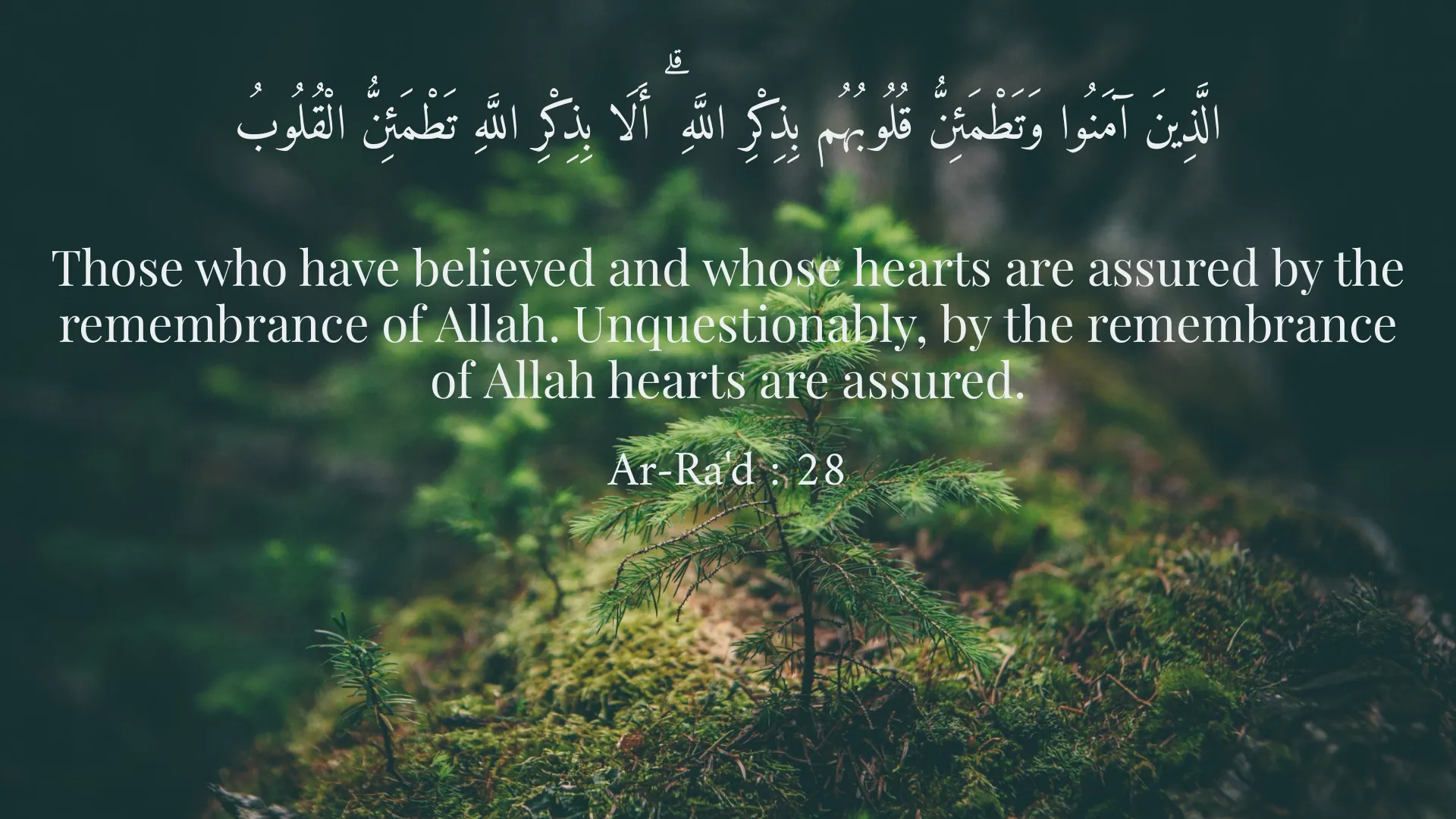
الَّذِينَ آمَنُوا وَتَطْمَئِنُّ قُلُوبُهُم بِذِكْرِ اللَّهِ ۗ أَلَا بِذِكْرِ اللَّهِ تَطْمَئِنُّ الْقُلُوبُ
Those who have believed and whose hearts are assured by the remembrance of Allah. Unquestionably, by the remembrance of Allah hearts are assured.
Ar-Ra'd : 28
أَلَمْ يَأْنِ لِلَّذِينَ آمَنُوا أَن تَخْشَعَ قُلُوبُهُمْ لِذِكْرِ اللَّهِ وَمَا نَزَلَ مِنَ الْحَقِّ وَلَا يَكُونُوا كَالَّذِينَ أُوتُوا الْكِتَابَ مِن قَبْلُ فَطَالَ عَلَيْهِمُ الْأَمَدُ فَقَسَتْ قُلُوبُهُمْ ۖ وَكَثِيرٌ مِّنْهُمْ فَاسِقُونَ
Has the time not come for those who have believed that their hearts should become humbly submissive at the remembrance of Allah and what has descended of the truth? And let them not be like those who were given the Scripture before, and a long period passed over them, so their hearts hardened; and many of them are defiantly disobedient.
Al-Hadid : 16
وَإِذَا سَأَلَكَ عِبَادِي عَنِّي فَإِنِّي قَرِيبٌ ۖ أُجِيبُ دَعْوَةَ الدَّاعِ إِذَا دَعَانِ ۖ فَلْيَسْتَجِيبُوا لِي وَلْيُؤْمِنُوا بِي لَعَلَّهُمْ يَرْشُدُونَ
And when My servants ask you, [O Muhammad], concerning Me - indeed I am near. I respond to the invocation of the supplicant when he calls upon Me. So let them respond to Me [by obedience] and believe in Me that they may be [rightly] guided.
Al-Baqarah : 186
Short Story
Once upon a time, a wealthy and powerful king felt no true peace in his heart. Despite all his palaces and treasures, sleep evaded him at night, and his days were filled with worries. One day, he passed by a monastery and saw a dervish, simply clad, sitting peacefully with a serene face and a smile, remembering God under the sun. The king was astonished by his state and approached the dervish. He said, "O good man, with all my grandeur, glory, and wealth, I find no peace in my heart, yet you, with all your simplicity, seem to possess the entire world. What is the secret to this happiness?" The dervish smiled and replied, "O King! My heart is not my own; I have entrusted it to its Owner. Whenever a heart becomes occupied with the remembrance and light of God, it is freed from everything else and attains peace. Your heart is engaged with wealth and dominion, but my heart is engaged with the remembrance and love of the True Beloved. It is this divine light that brings tranquility to the heart, not the riches of the world." The king was deeply moved by the dervish's words and thereafter sought to connect his heart more to the remembrance of God and lighten the burden of worldly attachments so that his heart might also be illuminated.