Quranic Answer
Practicing speaking with God is at the very core of Islamic and Quranic teachings, extending far beyond a simple verbal conversation. It is a profound spiritual exercise aimed at establishing a deep and enduring connection with the Creator of the universe. The Holy Quran outlines numerous ways for us to draw closer to God and foster this spiritual and heartfelt bond, each representing a facet of this 'speaking.' This communication encompasses not only words and supplications but also actions, intentions, and even silence and contemplation. The first and most fundamental form of this connection is Prayer (Salat). Salat is the pillar of religion and the ascension of the believer. The Quran repeatedly enjoins believers to establish prayer. Salat is a structured, regular dialogue with God, where the worshiper expresses praise, humility, gratitude, and seeking forgiveness through specific words and physical movements. Every part of the prayer, from the opening 'Takbir' (Allahu Akbar) to the concluding 'Salam,' carries a deep meaning of humility, surrender, and connection to divine majesty. These five daily prayers offer unparalleled opportunities to renew one's covenant with God and purify the soul. Prayer teaches us how to detach our minds from worldly concerns and direct our full attention toward the Lord. Regular repetition of prayer gradually places us in a state of continuous awareness of God’s presence, calming the heart with His remembrance. The Quran in Surah Al-Ankabut, verse 45, states: “And establish prayer. Indeed, prayer prohibits immorality and wrongdoing.” This verse demonstrates that prayer is not only a spiritual conversation but also a deterrent against sin and a means of purifying the self, leading humanity towards purity and spiritual growth. The second crucial way to 'speak with God' is through Supplication (Dua). Dua is the essence of worship and an unmediated path to express whatever is in our hearts. God states in the Quran that He is near and answers the invocation of the supplicant when he calls upon Him (Surah Al-Baqarah, verse 186). This verse opens an boundless door to hope and divine mercy. To supplicate means to directly share your needs, fears, hopes, aspirations, and even your pains and sufferings with God. This is a completely personal, intimate conversation, free from any time or spatial limitations. In Dua, we can speak to God in any language and with any words that flow from our hearts. This itself demonstrates the limitless mercy and closeness of God to His servants. Practicing Dua helps us always feel that we have a refuge and a compassionate listener who is ever-present and observant. The third form of this connection is the Constant Remembrance of God (Dhikr). Dhikr includes reciting God's names, glorifying Him, proclaiming His oneness, and contemplating His signs. The Quran states: “Unquestionably, by the remembrance of Allah hearts are assured.” (Surah Ar-Ra'd, verse 28). Dhikr is not merely a verbal act but a state of continuous consciousness of God's presence and majesty in every moment of life. When we mention God's name, our hearts turn to Him, and this attention brings peace and reassurance. Dhikr can take the form of daily recitations, reading prescribed supplications, or even a simple “Alhamdulillah” (Praise be to God) in response to a blessing. This continuous remembrance keeps us away from heedlessness and guides us to a state of mindfulness. Fourthly, Contemplation of the Holy Quran is essential. The Quran is God's direct message to humanity. When we read the Quran, we are essentially listening to God's words; and when we reflect upon its verses, we are responding to it. Studying, understanding, and acting upon the verses of the Quran is a form of active dialogue with the Lord. The Quran is a guide for life, and when we strive to live by it, we are practically responding to God's desires and commands, which itself is a form of 'speaking' through action. Fifth, Gratitude (Shukr) and Patience (Sabr) are vital. The Quran in numerous verses emphasizes the importance of showing gratitude for blessings and patience in the face of hardships. Gratitude is a recognition of God's greatness and grace, and patience is a form of submission to His will. Both are states of the heart that demonstrate understanding and acceptance of divine wisdom and power. When we are grateful, we are declaring to God that we have seen His blessings and are appreciative; and when we are patient, we show that we trust in His planning. These states create a deep connection of contentment and reliance upon God. Ultimately, practicing speaking with God is a continuous and lifelong journey. It requires sincerity, perseverance, and mindfulness. The more we tread this path, the deeper our connection with our Creator will become, and our lives will be filled with peace and blessings. This practice guides us towards true servitude and attaining proximity to God, making us feel at every moment of our lives that we are not alone and are always under the loving care and protection of our Merciful Lord. Through this approach, our lives gain a deeper meaning, and every challenge and blessing transforms into an opportunity to draw closer to Him.
Related Verses
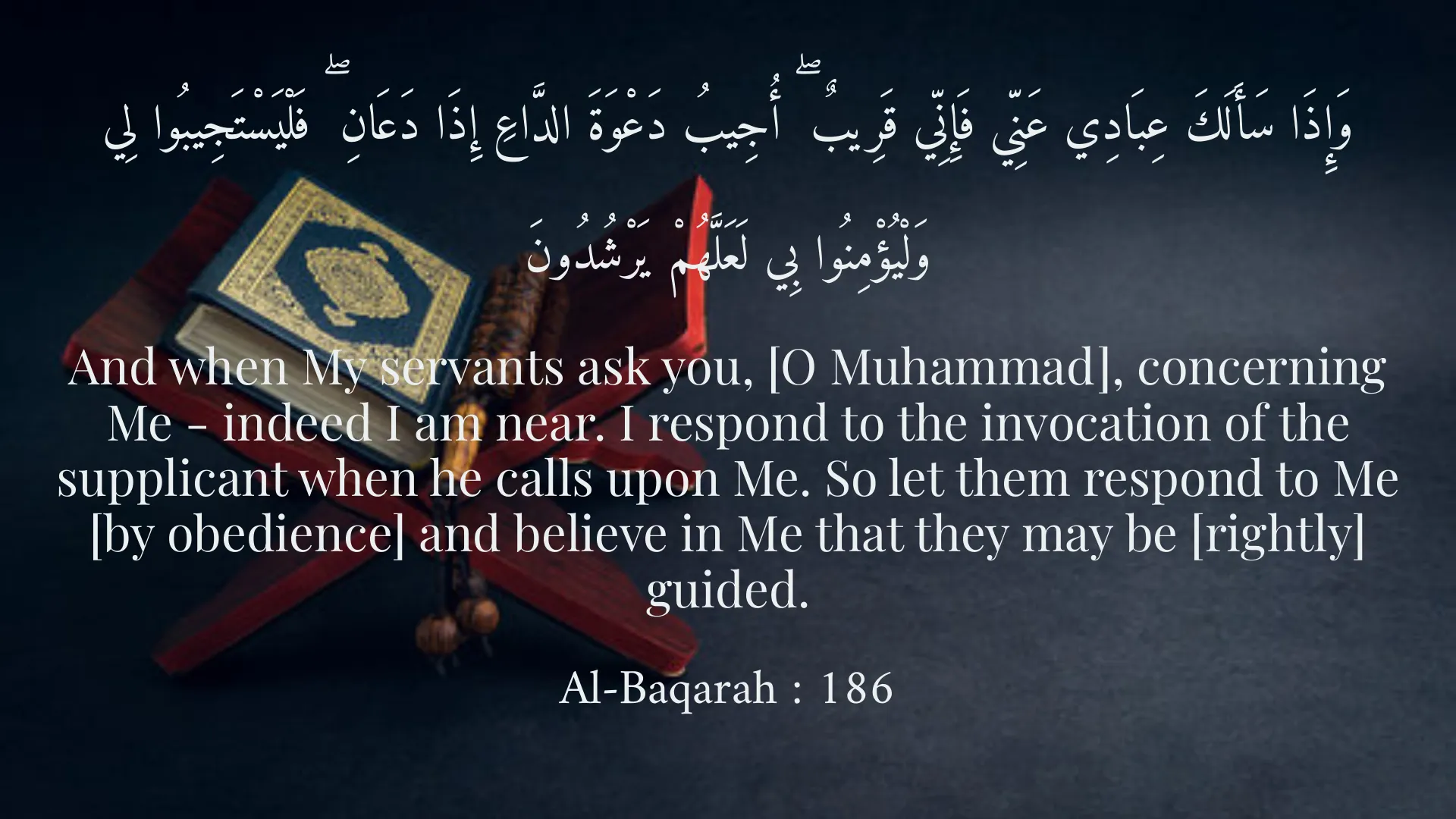
وَإِذَا سَأَلَكَ عِبَادِي عَنِّي فَإِنِّي قَرِيبٌ ۖ أُجِيبُ دَعْوَةَ الدَّاعِ إِذَا دَعَانِ ۖ فَلْيَسْتَجِيبُوا لِي وَلْيُؤْمِنُوا بِي لَعَلَّهُمْ يَرْشُدُونَ
And when My servants ask you, [O Muhammad], concerning Me - indeed I am near. I respond to the invocation of the supplicant when he calls upon Me. So let them respond to Me [by obedience] and believe in Me that they may be [rightly] guided.
Al-Baqarah : 186
اتْلُ مَا أُوحِيَ إِلَيْكَ مِنَ الْكِتَابِ وَأَقِمِ الصَّلَاةَ ۖ إِنَّ الصَّلَاةَ تَنْهَىٰ عَنِ الْفَحْشَاءِ وَالْمُنكَرِ ۗ وَلَذِكْرُ اللَّهِ أَكْبَرُ ۗ وَاللَّهُ يَعْلَمُ مَا تَصْنَعُونَ
Recite what has been revealed to you of the Book and establish prayer. Indeed, prayer prohibits immorality and wrongdoing, and the remembrance of Allah is greater. And Allah knows that which you do.
Al-Ankabut : 45
الَّذِينَ آمَنُوا وَتَطْمَئِنُّ قُلُوبُهُم بِذِكْرِ اللَّهِ ۗ أَلَا بِذِكْرِ اللَّهِ تَطْمَئِنُّ الْقُلُوبُ
Those who have believed and whose hearts are assured by the remembrance of Allah. Unquestionably, by the remembrance of Allah hearts are assured.
Ar-Ra'd : 28
Short Story
One day, a dervish, restless and troubled at heart, sought out a wise Sheikh and asked: "O guide of the path! How can one speak with God so that the heart finds peace and is freed from temptations?" The Sheikh smiled and said: "My son, speaking with God does not require a loud voice, but rather an awakened heart and an attentive ear for His words." Then he added: "Recall the story of a man who would groan and sigh all night from toothache. A neighbor asked him, 'What ails you that you lament so much?' The man replied, 'My tooth hurts.' The neighbor advised him, 'Why do you not, instead of sighing and moaning, open your tongue to remembrance and gratitude, for from wherever the pain comes, from there also comes its cure?' The dervish paused upon hearing this tale. The Sheikh continued: "Likewise, O dervish, instead of being consumed by your solitude and sorrow, turn to Him with sincere prayer and supplication, and illuminate your heart with the remembrance of His Name. Whenever you read His words in the Quran and ponder over them, that is His speaking to you, and whenever you call upon Him with a sincere heart and seek His help, that is your speaking to Him. Practice this every day and you will see how peace descends upon your heart." The dervish took the Sheikh's advice to heart, and from then on, instead of lamenting, his heart found tranquility in the remembrance of God, and his life became filled with light.