Quranic Answer
The concept of purifying the heart and soul is a crucial theme emphasized in the Holy Quran countless times. The Quran serves as a spiritual guide for Muslims, illustrating the path one must take to attain inner peace, tranquility, and closeness to their Creator. This article delves deeply into the various dimensions of heart purification as presented in the Quran, exploring its significance and practical implications for a believer's life. ### Introduction to Heart Purification The heart is often described as the center of faith and spirituality in the Quran. It is through the heart that beliefs are formed, emotions are felt, and actions are motivated. The state of one’s heart can significantly influence their faith and moral compass. Purifying the heart is not merely a spiritual endeavor, but it also has profound implications for one’s interactions with the world. According to Islamic teachings, a pure heart is fundamental in understanding God’s words and fulfilling one's purpose as a human being. ### The Role of Worship in Heart Purification The first and foremost aspect of cleansing the heart is focusing on God and worshipping Him. In Surah Al-Baqarah, verse 225, it is stated, "Allah is the Guardian of those who believe." This verse indicates that when individuals turn sincerely towards Allah in worship, they receive His guidance and support. The act of worship serves as the primary means through which believers can cleanse their hearts and align their lives with divine principles. Furthermore, sincere worship fosters a strong connection between the worshipper and Allah. Engaging in rituals such as prayer (Salah), fasting (Sawm), and recitation of the Quran enables individuals to develop a heightened consciousness of Allah. This awareness is crucial for the purification process, making it easier to recognize and refrain from actions that may pollute the heart, such as dishonesty, greed, and envy. ### Responding to Divine Calls Another critical aspect of heart cleansing is the act of responding to Allah’s invitations. In Surah Al-Anfal, verse 24, it proclaims, "O you who have believed, respond to Allah and the Messenger." This call to action underscores the importance of obedience and submission to God's will. Responding positively to divine commands is a vital step in the journey towards a purified heart. When believers actively respond to Allah and the teachings of the Prophet Muhammad (peace be upon him) by practicing their faith, they initiate a transformative process that refines their character and motives. Acts of obedience cleanse the heart from spiritual ailments, enabling individuals to navigate life's challenges with greater resilience and purpose. ### The Power of Repentance Repentance is another essential aspect of heart purification. In Surah Al-Furqan, verse 70, it states, "Except for those who repent, believe, and do righteous work." This verse highlights the significance of turning back to Allah after committing sins. Repentance (Tawbah) involves recognizing one's wrongdoings, feeling genuine remorse, and resolving to change one's behavior. It is through this process that believers can detoxify their hearts and redirect their spiritual trajectory. Moreover, the act of sincere repentance not only leads to the forgiveness of sins, but it also cultivates humility and awareness of one's shortcomings. These qualities are essential for nurturing a pure heart. Believers are encouraged to be continuous in their repentance, for no one is free from sin; it is through acknowledging our faults that we can foster a deeper relationship with Allah. ### Engagement in Righteous Deeds Building upon the foundation of worship and repentance, engaging in righteous deeds is crucial for heart purification. In Surah Ash-Shams, verse 9, it states, "He has succeeded who purifies it." This verse emphasizes that success in both spiritual and worldly endeavors comes to those who commit themselves to cleansing their hearts through good deeds. Righteous actions have the power to elevate one's character and inspire positive change in the heart. Acts of kindness, charity (Sadaqah), and service to others not only reflect Allah's attributes but also cultivate a sense of compassion and empathy within the believer. As individuals strive to perform good deeds, they reinforce their commitment to purity and strengthen their spiritual journey. ### Seeking Knowledge from the Wise To maintain a pure heart, it is also essential to seek knowledge from those who are wise and learned. The Quran constantly encourages the pursuit of knowledge, as it opens the door to understanding divine truths and the realities of life. Engaging with knowledgeable individuals equips believers with the tools to navigate challenges and resist temptations that may lead to a corrupted heart. Wisdom gained from knowledgeable sources helps refine one's perspective, leading to more informed decisions that align with spiritual principles. ### Conclusion: The Journey Towards Purity In conclusion, the journey towards purifying the heart and soul, as elaborated upon in the Holy Quran, requires a multifaceted approach that encompasses sincere worship, responsive obedience, continuous repentance, engagement in righteous deeds, and the pursuit of knowledge. Through commitment to these principles, believers can gradually cleanse their hearts, allowing divine truth and light to illuminate their lives. This process of purification is not a one-time event, but rather a lifelong endeavor that fosters spiritual growth and maturity. The ultimate reward for those who earnestly strive for heart purification is an intimate closeness to Allah, a state of tranquility, and an enriched life filled with purpose and positivity. By committing to this sacred task, individuals not only refine their own character but contribute positively to their communities and the world at large.
Related Verses
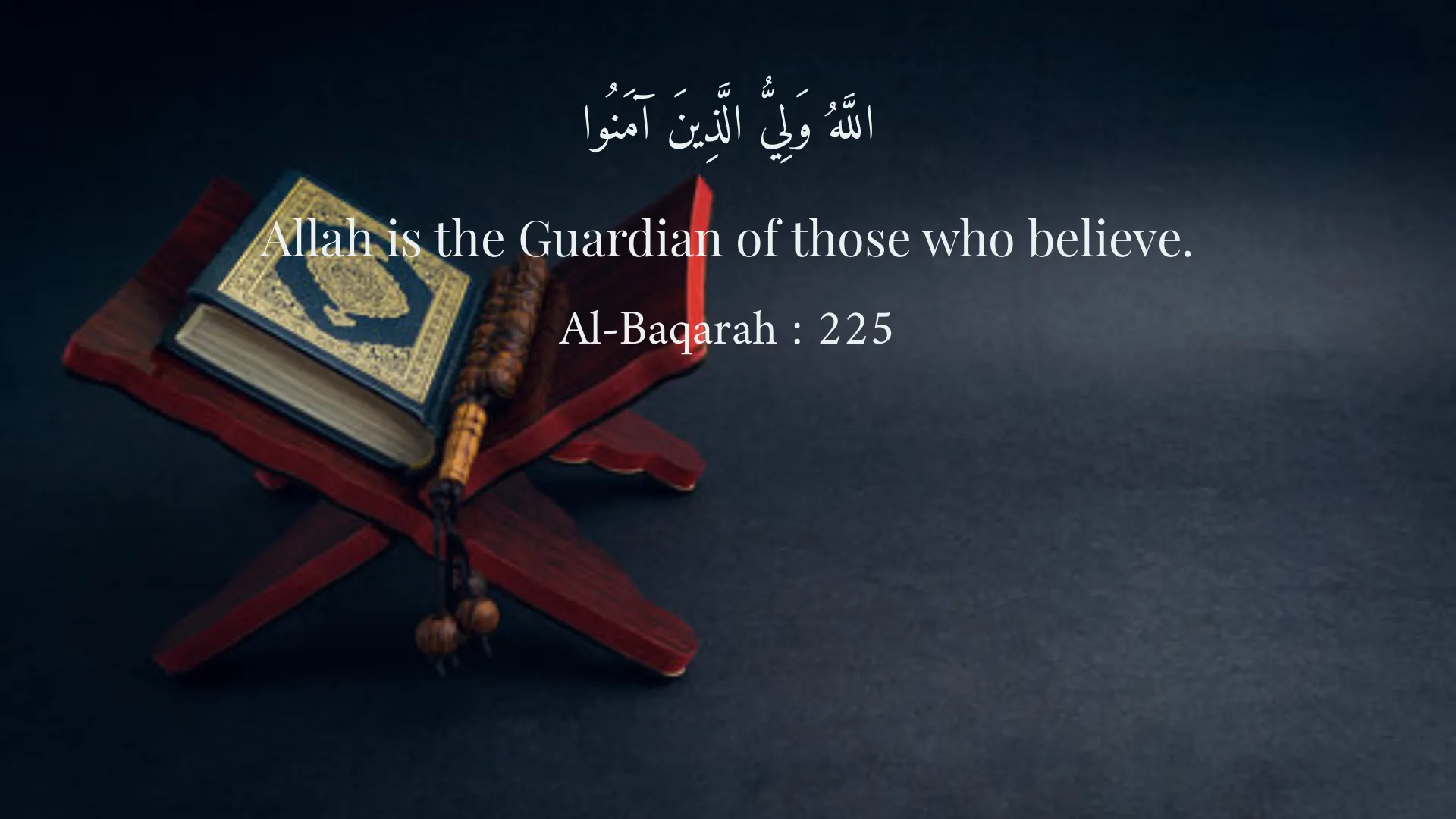
اللَّهُ وَلِيُّ الَّذِينَ آمَنُوا
Allah is the Guardian of those who believe.
Al-Baqarah : 225
يَا أَيُّهَا الَّذِينَ آمَنُوا اسْتَجِيبُوا لِلَّهِ وَلِلرَّسُولِ
O you who have believed, respond to Allah and the Messenger.
Al-Anfal : 24
إِلَّا مَن تَابَ وَآمَنَ وَعَمِلَ صَالِحًا
Except for those who repent, believe, and do righteous work.
Al-Furqan : 70
Short Story
One day, a man named Jamal was thinking about how he could purify his heart from impurities. He decided to stand for prayer in the mornings and make supplications afterward. He also tried to interact with good friends and treat them kindly. Jamal noticed that with each passing day, he felt better and found greater peace. He wished to invite others to this purification journey as well.