Quranic Answer
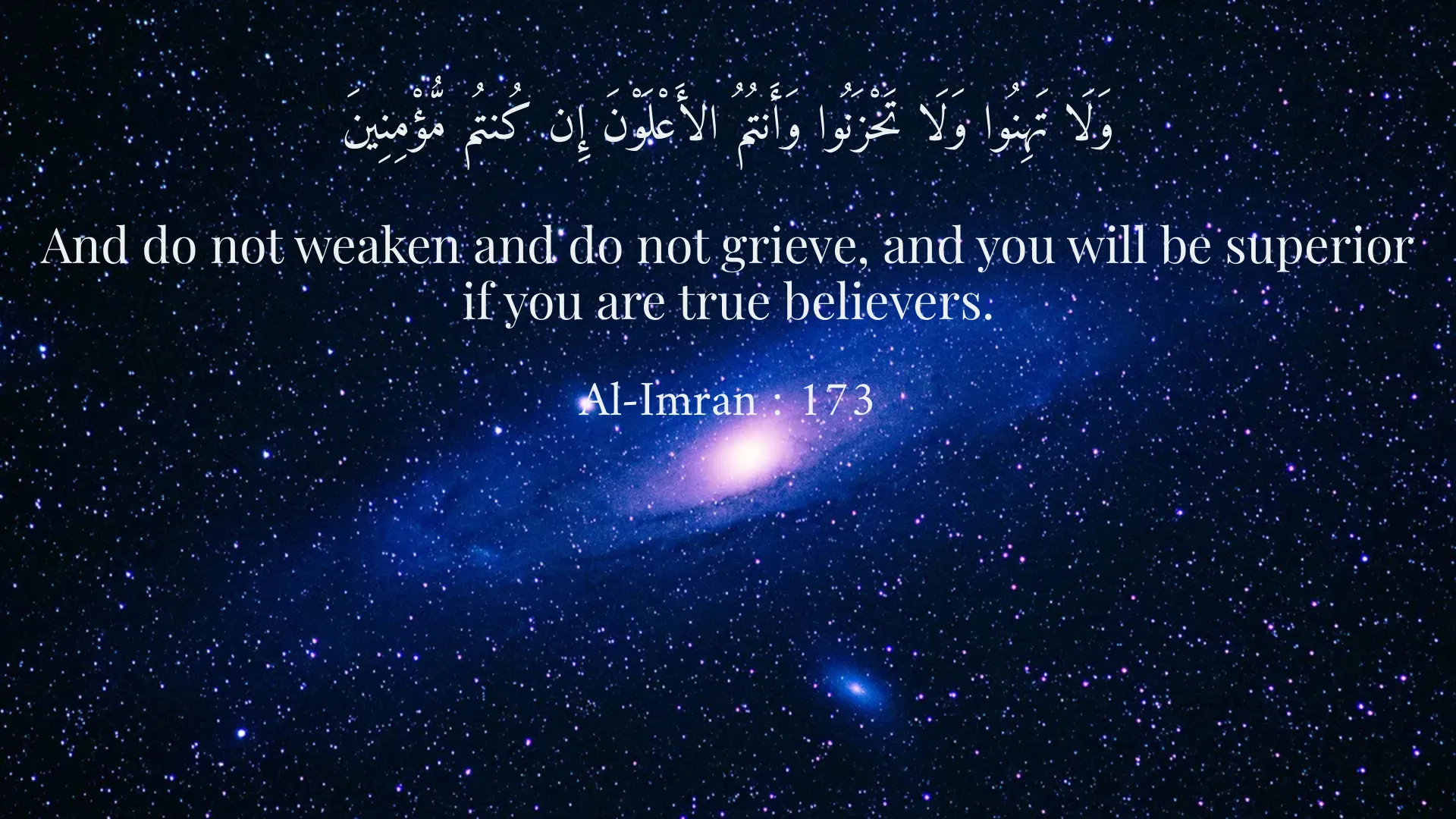
Reducing dependency on others can be a challenging yet rewarding process that paves the way for personal growth and self-sufficiency. It fosters emotional and spiritual independence, allowing individuals to thrive in various aspects of life. Through the teachings of the Holy Quran and the principles derived from Islamic thought, we can learn to cultivate this independence. The Quran encourages believers to redirect their reliance from fellow human beings to the ultimate source of strength: Allah (SWT). This article explores how drawing from the Quran and Islamic teachings can assist us in developing emotional and spiritual autonomy. One of the core teachings in the Holy Quran stresses the importance of tawakkul, or reliance on Allah. Through this practice, Muslims are reminded that trusting in God's plan is vital, particularly during challenging times. Surah Al-Imran (3:173) exemplifies this notion perfectly by stating: 'And do not weaken and do not grieve, and you will be superior if you are [true] believers.' This verse conveys that in moments of despair or difficulty, maintaining faith in Allah's wisdom is essential. It reinforces the belief that those who place their trust in Him will eventually rise above their troubles. The key takeaway is that believers are encouraged to look within themselves and to Allah rather than seeking external validation or support. Another significant verse that highlights reliance on Allah is found in Surah At-Talaq (65:3), which states: 'And whoever relies upon Allah – then He is sufficient for him.' This serves as a powerful reminder that Allah’s assistance is always available for those who acknowledge Him and place their trust in His plans. It speaks volumes about the significance of fostering a strong relationship with the Creator, which in turn nurtures a sense of independence. By relying on Allah, individuals can build resilience and face life's challenges with confidence. The act of prayer (Salah) holds immense importance in Islam, serving as a means of communication with Allah. It provides solace, strengthens our faith, and cultivates a sense of belonging to a higher purpose. Regular prayer is a practical way to engineer emotional and spiritual independence. As believers engage in the daily rituals of prayer, they reinforce their relationship with Allah, enabling them to develop a deeper understanding of their existence and purpose. In essence, prayer becomes a source of strength, reminding believers of their capabilities to overcome adversity without excessive dependence on others. Moreover, supplication (dua) represents another fundamental aspect of Islamic practice that encourages self-reliance. Engaging in heartfelt supplications nurtures a connection with Allah where one acknowledges their vulnerabilities while seeking strength and guidance. In this way, supplication becomes an avenue through which individuals can voice their needs and desires, fostering self-reflection and emotional resilience. While the Quran emphasizes reliance on Allah, it is essential also to acknowledge the significance of building healthy social relationships that promote self-sufficiency. Spending time with positive-minded individuals creates an environment where mutual encouragement can flourish. Surrounded by those who uplift and inspire, individuals can develop a sense of support that strengthens their emotional foundation. Healthy companionship allows for the exchange of ideas and experiences, which can enhance personal growth. By establishing beneficial social networks, one can learn from others' journeys while remaining focused on cultivating personal independence. In addition to fostering supportive relationships, setting personal goals and acknowledging one's strengths play a crucial role in reducing dependency on others. Individuals need to undertake introspection to identify their unique talents and abilities. By establishing clear goals, whether they encompass career ambitions, personal development, or spiritual growth, individuals can cultivate a sense of direction and purpose. Taking small yet deliberate steps towards achieving one's goals fosters achievement and builds confidence. Celebrating these accomplishments creates an atmosphere where individuals start recognizing their worth and contributions. This self-awareness pivots their reliance from external validation to a deeper understanding of their strengths and capabilities. In the quest for emotional and spiritual independence, one must also embrace the challenges along the journey. The path may not always be straightforward, as it often presents obstacles that test resilience and fortitude. Yet, these trials are essential for personal development. Through perseverance and reliance on Allah, individuals can navigate tough times, emerging stronger and more self-reliant. Furthermore, Islamic teachings highlight the importance of gratitude and appreciation. Developing a sense of gratitude towards the countless blessings bestowed upon an individual helps cultivate contentment. By acknowledging the positive aspects of life, individuals can shift their focus away from dependency towards a perspective of abundance and gratitude. In conclusion, reducing dependency on others is an ongoing journey that entails a comprehensive understanding of faith, personal growth, and the cultivation of meaningful relationships. The teachings of the Quran provide invaluable guidance in nurturing emotional and spiritual independence. By fostering a strong relationship with Allah through prayer and supplication and creating positive social circles, individuals can achieve a harmonious balance between self-reliance and community support. Ultimately, it is through this synthesis of independence and connection that one can lead a fulfilling life, rooted in faith and self-confidence. By striving to align with these teachings, individuals not only contribute to their personal well-being but also become more resilient in the face of life's many challenges.
Related Verses
وَلَا تَهِنُوا وَلَا تَحْزَنُوا وَأَنتُمُ الأَعْلَوْنَ إِن كُنتُم مُّؤْمِنِينَ
And do not weaken and do not grieve, and you will be superior if you are true believers.
Al-Imran : 173
وَمَن يَتَوَكَّلْ عَلَى اللَّهِ فَهُوَ حَسْبُهُ
And whoever relies upon Allah – then He is sufficient for him.
At-Talaq : 3
Short Story
One day, Jamal, a young man full of thoughts, decided to reduce his dependencies. He remembered the verses of the Quran and realized it was time to rely on God and become independent from others. After some time, he established a deeper connection with God and diminished his dependencies. He showed love to his parents and found positive friends who supported him in his quest for independence. Now, Jamal feels a greater sense of freedom and peace.