Quranic Answer
Resisting oppression and injustice is among the foundational principles that resonate deeply within the teachings of Islam and the Holy Quran. The significance of standing against oppression cannot be understated, as it is intricately woven into the very fabric of Islamic teaching. Each verse, narrative, and commandment in the Quran offers profound insights into the necessity of confronting injustice and advocating for those who have been wronged. This article aims to explore the essence of resisting oppression and injustice, delving into significant Quranic verses that encapsulate the importance of patience, perseverance, and proactive defense of the oppressed in the struggle against tyranny. One of the most pivotal themes in the Quran is the encouragement of patience and perseverance in the face of adversity. This theme is most beautifully encapsulated in Surah Al-Baqarah, verse 153: 'O you who have believed, seek help through patience and prayer. Indeed, Allah is with the patient.' This verse serves as a powerful reminder that during times of uncertainty and hardship, believers should turn towards God for comfort and strength. Patience is often portrayed not just as a passive observance but as an active stance against oppression. Patience in this context implies a deep-rooted belief in divine justice, reinforcing the idea that while immediate victories may be elusive, faith in God’s plan is paramount. Engaging in prayer amplifies this resilience, acting as a spiritual conduit through which one can express their vulnerabilities and seek guidance. In concrete terms, this means actively maintaining a righteous path even in the direst of situations, trusting that God’s presence is a source of empowerment. Thus, the act of resisting oppression begins with internal fortitude and spiritual connection. Moreover, in Surah Al-Imran, verse 139, we find an encouraging mandate for believers: 'And do not weaken and do not grieve, and you will be superior if you are believers.' This verse resonates with those experiencing oppression, urging them to maintain their spirits and trust in their faith as a source of strength. Here, the Quran provides a dual message: individuals must not only endure their circumstances but also remain hopeful and proactive. It emphasizes the belief that true greatness will follow if one continues to uphold their faith, no matter how challenging the circumstances may become. This perspective is crucial as it transitions from mere patient endurance to an active state of waiting—waiting for God’s support while simultaneously preparing oneself for actions that may be required to combat injustice. The call to resist passivity in the face of oppression is a recurrent theme throughout the Quran. The imperative to advocate for justice transcends patience and prayer. In Surah An-Nisa, verse 75, Allah addresses the responsibility to defend the oppressed: 'And what is [the matter] with you that you fight not in the cause of Allah and for the oppressed among men, women, and children who say, 'Our Lord, take us out of this city of oppressors and appoint for us from Yourself a protector and appoint for us from Yourself a supporter?'' This verse brilliantly ignites the spirit of activism among Muslims, urging them not only to offer spiritual support but also to take tangible steps toward fighting injustice. In the Quran, this profound care for the oppressed reflects a broader ethical commitment that Muslims are called to uphold. Engaging in social justice is not merely optional; it is a fundamental duty. The struggles faced by the oppressed, whether they are due to social, political, or economic inequalities, should compel believers to rise, join, and support the fight against their collective affliction. Striving to dismantle structural injustices and protect vulnerable communities is an embodiment of faith in action. As the text suggests, the liberation of the oppressed is inextricably linked to a believer’s pursuit of righteousness. Moreover, the act of standing up against oppression extends to ensuring that responsible and equitable measures are taken within society. The Quran provides an ethical framework whereby justice is paramount, calling upon believers to act justly and equitably towards others. In doing so, the fulfillment of one’s duty as a Muslim expands into collective actions that foster community support, empowerment, and resistance to oppressive systems. In contemporary contexts, the teachings on resisting oppression become even more urgent. The global landscape is fraught with injustices—from systemic racism and economic exploitation to political dictatorships that silence dissent. Therefore, understanding and internalizing these Quranic teachings on justice has escalated as a vital responsibility for Muslims worldwide. Engaging in dialogs about the importance of social justice, aligning with humanitarian efforts, and voicing against oppression in various forms become crucial actions rooted in Islamic teachings. However, action does not mean resorting to violence or uncompromising dissent. Rather, Islamic teachings advocate for wisdom, compassion, and persuasion as tools to fight injustice. Engaging with one’s community, participating in peaceful protests, and supporting policies that uplift marginalized voices are all prescribed means to resist oppression effectively. The Quran encourages believers to be ambassadors of peace while actively working toward a more just society where all individuals can thrive. In summary, resisting oppression and injustice is an obligation in Islam, deeply embedded in the teachings of the Holy Quran. It encompasses the virtues of patience, prayer, and proactive engagement, ultimately illustrating that one’s faith should catalyze action against injustice. From divine guidance to ethical imperatives, every facet of Islamic teaching reinforces the belief that remaining steadfast in the struggle for justice is not just a religious obligation but a moral one as well. As Muslims, the call remains clear: to resist oppression in every form, support the beleaguered, and be active champions of justice. In the journey toward implementing these teachings, believers embody the very essence of what it means to uphold the values of Islam in an ever-evolving world, continuously fighting for justice and against oppression.
Related Verses
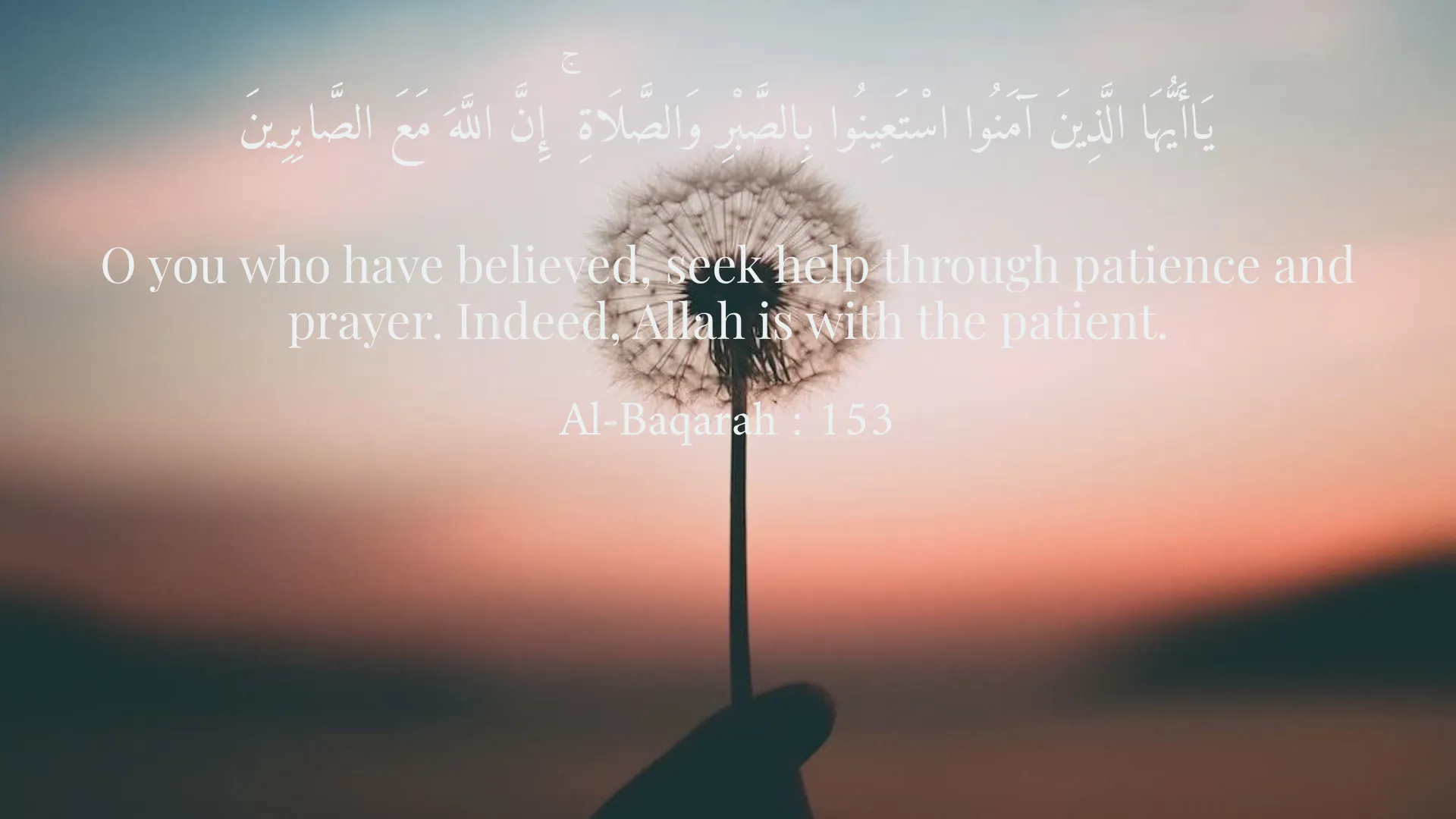
يَاأَيُّهَا الَّذِينَ آمَنُوا اسْتَعِينُوا بِالصَّبْرِ وَالصَّلَاةِ ۚ إِنَّ اللَّهَ مَعَ الصَّابِرِينَ
O you who have believed, seek help through patience and prayer. Indeed, Allah is with the patient.
Al-Baqarah : 153
وَلَا تَهِنُوا وَلَا تَحْزَنُوا وَأَنتُمُ الْأَعْلَوْنَ إِن كُنتُم مُؤْمِنِينَ
And do not weaken and do not grieve, and you will be superior if you are believers.
Al-Imran : 139
مَا لَكُمْ لَا تُقَاتِلُونَ فِي سَبِيلِ اللَّهِ وَالْمُسْتَضْعَفِينَ مِنَ الرِّجَالِ وَالنِّسَاءِ وَالْوِلْدَانِ
What is [the matter] with you that you do not fight in the cause of Allah and for the oppressed among men, women, and children?
An-Nisa : 75
Short Story
Once upon a time, a man named Ali lived in a city where many injustices were prevalent. He was always concerned about the state of the people and wanted to help. One day, he remembered a verse that reminded him: 'Seek help through patience and prayer.' Ali decided to pray two units of prayer every morning before going to work and ask God for assistance. He also spoke with others and encouraged them to stand against oppression. Gradually, people began to protest against injustice, leading to positive changes in the community.