Quranic Answer
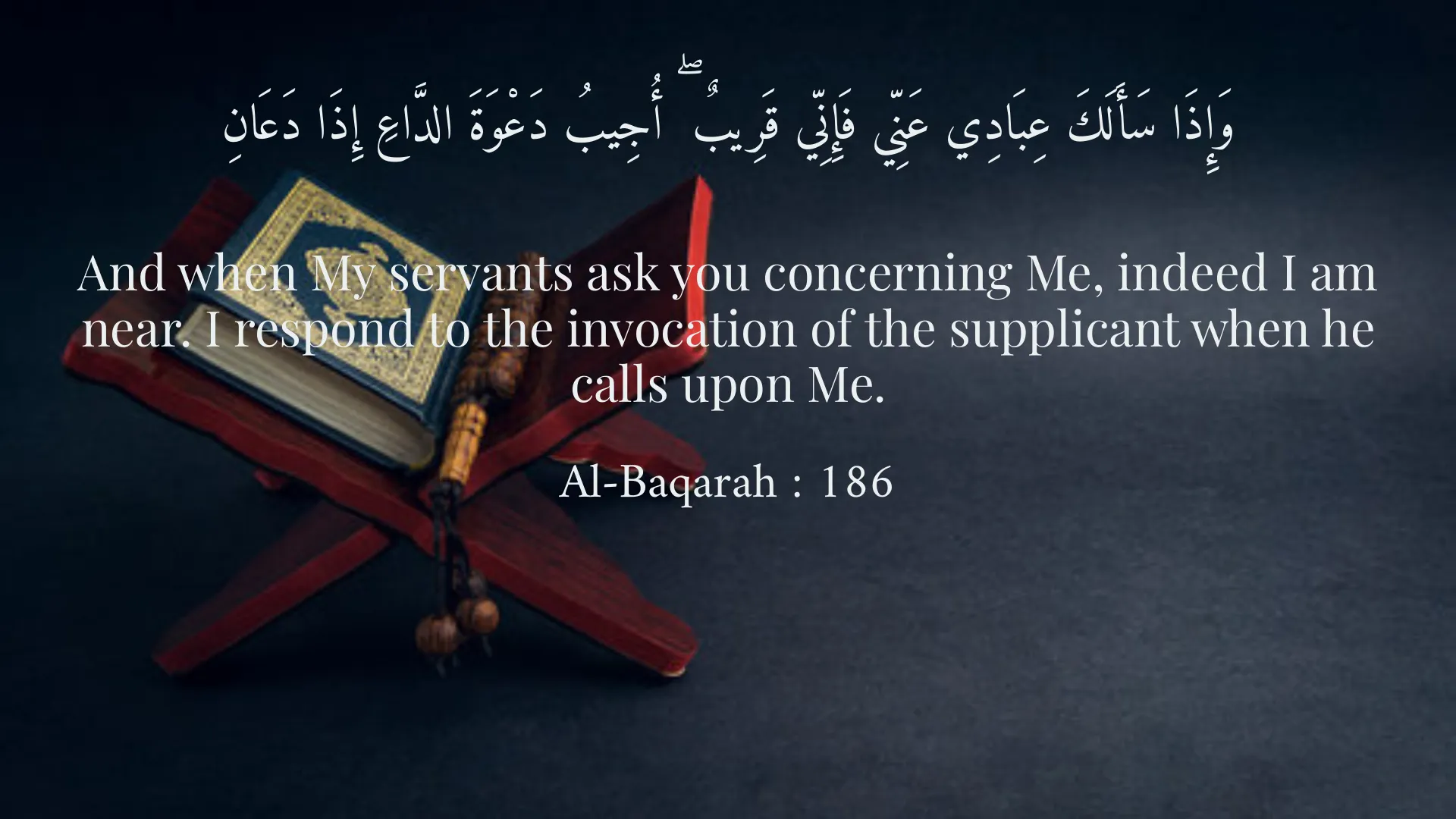
In the Holy Quran, the theme of seeking help and change from God forms a cornerstone of spiritual guidance. It is through various means that believers are encouraged to turn towards God, with prayer and supplication emerging as some of the most effective actions one can take in seeking divine assistance. The Quran, as a profound source of wisdom, outlines these principles and helps believers navigate the complexities of life, particularly when they seek transformative changes. Among the multitude of verses that guide us on this journey, a key reference can be found in Surah Al-Baqarah, verse 186, which states: "And when My servants ask you concerning Me, indeed I am near. I respond to the invocation of the supplicant when he calls upon Me." This powerful verse encapsulates the immediacy of God’s response to the prayers of His servants, emphasizing not only His nearness but also His willingness to aid those who earnestly seek His help. The significance of this verse cannot be overstated. It assures believers that in times of need, they are not alone; they are connected to a divine source that is always reachable. To call upon God is not just an act of desperation but a demonstration of faith and reliance on something greater than oneself. In seeking positive changes in life—be it personal development, improvement in relationships, career advancements, or spiritual growth—the act of sincere prayer becomes crucial. The idea is that one must lay out their intentions before God, expressing their hopes, fears, and desires, which creates a channel for divine support and intervention. Furthermore, the Quran provides additional insight into the nature of divine assistance. In Surah Al-Anfal, verse 53, God makes a promise: if an individual purifies their intent and turns towards Him, He shall bless them with His assistance. This verse highlights the importance of sincerity and purity of heart in one’s quest for help. It implies that genuine motives matter immensely when one turns to God. Purification of intent is not a superficial act; it demands deep introspection and a commitment to change. To pursue positive change in one’s life, it is essential for individuals to engage in ongoing self-reflection. This practice prompts one to assess their actions, thoughts, and motivations regularly. God’s promise of assistance comes to those who demonstrate an earnest desire to better themselves. As one embarks on the path of self-improvement, it is imperative to be patient and persistent. Change is seldom instantaneous; it is a gradual process that requires both resilience and dedication. The relationship between prayer and transformative change is cyclic in nature. When an individual prays, they are not merely seeking to change external circumstances but are also inviting God to instill change within their heart and mind. This inner transformation often precedes any external advancements, as the ability to perceive and react positively to life’s challenges often hinges on one's internal state. Building a strong relationship with God through prayer allows one to develop qualities such as patience, gratitude, and humility—traits that significantly impact one's ability to navigate life's changing tides. To further illustrate this relationship between prayer and change, one might consider personal anecdotes or stories from individuals who have experienced transformative shifts in their lives through supplication and reliance on God. These narratives often carry a common thread: when one earnestly seeks God’s assistance and demonstrates a commitment to change, doors begin to open, obstacles become surmountable, and difficulties are overcome. In addition to personal narratives, reflecting on the lives of the Prophets and righteous figures in Islamic history provides further evidence of the power of prayer. The struggles faced by figures such as Prophet Job (Ayyub), who remained steadfast in supplication despite his trials, serve as powerful reminders of the potential for divine intervention following persistent prayer. Their stories inspire believers to maintain faith and to keep striving for a better life, knowing that God’s help is often just a prayer away. Moreover, prayer transcends individual requests and becomes a means of fostering community and solidarity among believers. When individuals come together to pray, whether in a mosque or in any communal setting, there is a shared energy that promotes unity and collective hope. This communal aspect of prayer can amplify the search for change, as believers support each other in their journeys, creating an environment rich with encouragement and love. Ultimately, cultivating a strong relationship with God requires one to prioritize prayer and active engagement in spiritual practices. As believers navigate their personal journeys towards change, it is crucial to remain consistent in prayer, maintaining an open heart and seeking God’s guidance. Each supplication not only serves as a chance to express desires but also as an opportunity to submit to the Divine will, trusting that God knows what is best for His servants. In conclusion, the incredibly rich guidance offered through the Holy Quran regarding seeking help and facilitating change through prayer underscores the depth of our connection with God. Prayer and supplication are not mere rituals; they are lifelines that connect us to divine assistance in times of need. By committing to purifying our intentions and engaging in meaningful prayer, we embark on a journey of self-improvement that aligns us closer to God. The transformative power of prayer is boundless, and when we make it a priority in our lives, we inevitably invite positive changes that can reshape our existence in remarkable ways. Therefore, let us embrace the journey of prayer and seek the guidance and support from God, fostering a deeper relationship that can lead us towards our highest potential.
Related Verses
وَإِذَا سَأَلَكَ عِبَادِي عَنِّي فَإِنِّي قَرِيبٌ ۖ أُجِيبُ دَعْوَةَ الدَّاعِ إِذَا دَعَانِ
And when My servants ask you concerning Me, indeed I am near. I respond to the invocation of the supplicant when he calls upon Me.
Al-Baqarah : 186
وَمَا كَانَ اللَّهُ لِيُعَذِّبَهُمْ وَأَنتَ فِيهِمْ ۖ وَمَا كَانَ اللَّهُ مُعَذِّبَهُمْ وَهُمْ يَسْتَغْفِرُونَ
And Allah would not punish them while you are among them, and Allah would not punish them while they seek forgiveness.
Al-Anfal : 53
Short Story
One day, a young man named Amir faced many challenges in life and felt he needed help to change. He recalled the verses of the Quran and decided to pray daily and turn to God. Over time, with continuous prayers, he found peace and felt a positive change in his life.