Quranic Answer
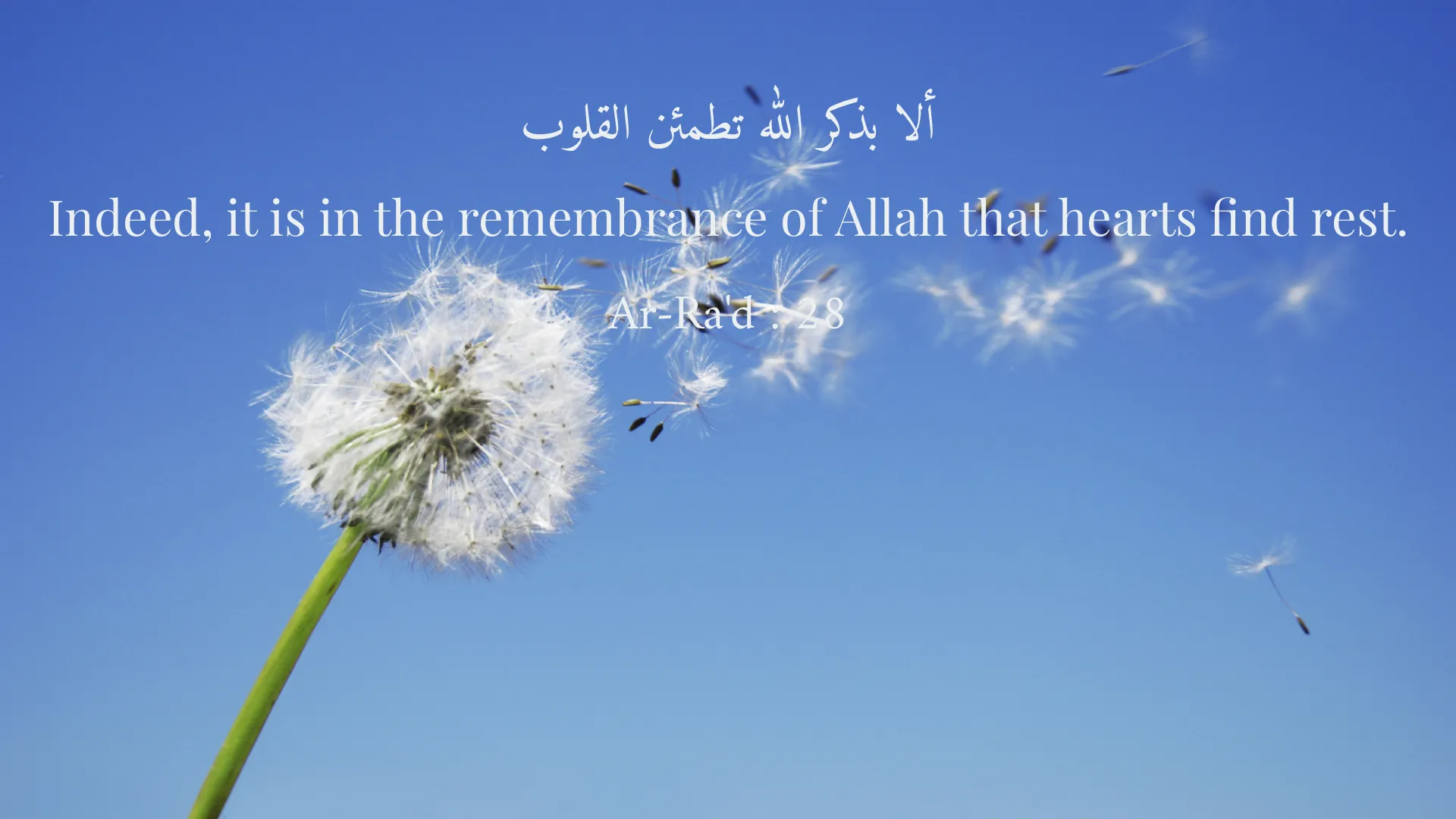
In the Holy Quran, happiness and joy stand out as significant and central themes that are consistently addressed throughout its verses. Understanding the path to happiness, as outlined in the Quran, is essential for believers seeking purpose and contentment in life. This article aims to explore the Quranic perspective on happiness and joy, providing insights into the relationship between humans and their Creator, the impact of good deeds, the importance of family and friends, and the role of prayer in enhancing one's state of happiness. The concept of happiness in the Islamic tradition is deeply intertwined with the remembrance of God. One of the broadly referenced verses on this topic can be found in Surah Ar-Ra'd, verse 28, which states: "Indeed, it is in the remembrance of Allah that hearts find rest." This verse emphasizes that the act of remembering and turning our hearts toward God is fundamental to achieving inner peace and tranquility. In today's fast-paced world, where distractions abound, taking time to consciously remember and reflect on God can provide a genuine sense of relief and happiness. By integrating the practice of dhikr (remembrance) into our daily routines, we can cultivate a deeper connection with God, which consequentially uplifts our spirits and calms our hearts. Furthermore, the notion of happiness is closely linked to one's actions and deeds. In Surah Al-An'am, verse 50, the Quran advises: "And whoever believes in it should do good deeds and not associate anyone with the worship of his Lord." Good deeds are highlighted as a critical component for attaining happiness and fulfillment in life. Engaging in acts of kindness, charity, volunteering, and helping others not only enhances our emotional well-being, but it also fosters a sense of community and belonging. When we actively contribute to the welfare of others, we not only uplift their spirits but also experience unparalleled joy ourselves. Happiness derived from acts of kindness is profound and lasting, as it originates from fulfilling our purpose as human beings. Moreover, the Quran places great emphasis on the importance of family and friends in cultivating joy within our lives. Relationships with family and loved ones are portrayed as integral to a fulfilling life. In Surah Al-Isra, verse 23, it states: "And your Lord has decreed that you not worship except Him, and to parents, good treatment." This verse stresses the significance of maintaining good relationships with our parents and family. Acts of kindness, respect, and love towards our family foster emotional strength and create an atmosphere of happiness. When we nurture our bonds with parents, siblings, and friends, we contribute to a support system that enhances our happiness. Friendships, too, play a pivotal role in shaping our experiences of joy. Engaging with positive, supportive friends can lead to greater life satisfaction, and the Quran encourages believers to surround themselves with those who uplift and inspire them. In many verses, the Quran highlights the importance of community and camaraderie, emphasizing that a strong network can significantly contribute to our emotional and spiritual well-being. In addition, it is essential to recognize the role of prayer (Salah) and supplication (Dua) in enhancing one's state of happiness. As believers, establishing a routine for prayer allows us to reconnect with God regularly and seek His guidance in every aspect of our lives. The ritual of prayer is a moment for self-reflection, tranquillity, and devotion that instills serenity within our hearts. Moreover, through sincere supplication, we are reminded that we are not alone in our struggles; we can turn to our Creator for solace and assistance. This dependence on God cultivates a sense of hope and optimism, promoting lasting happiness Ultimately, focusing on the positive aspects of our daily lives is an essential approach to nurturing happiness. The Quran encourages believers to overlook past mishaps and instead appreciate the blessings that are present. Practicing gratitude plays a significant role in shaping our perception of happiness; it allows us to recognize the abundance of blessings in our lives rather than fixating on what we lack. By adopting a grateful mindset, we cultivate contentment and joy within ourselves, empowering us to face challenges with a positive outlook. In conclusion, happiness, as articulated in the Holy Quran, is a multifaceted concept driven by our relationship with God, our connections with the people around us, and the positive actions we engage in. By remembering God, doing good deeds, nurturing our bonds with family and friends, engaging in prayer, and practicing gratitude, we can cultivate a lasting and fulfilling sense of happiness. It is important to understand that happiness is not a destination but rather a continuous journey that requires effort, dedication, and a commitment to seeking fulfillment through our faith and actions. As we navigate through the complexities of life, let us embrace these Quranic teachings, drawing from them the wisdom necessary to lead joyful and meaningful lives.
Related Verses
ألا بذكر الله تطمئن القلوب
Indeed, it is in the remembrance of Allah that hearts find rest.
Ar-Ra'd : 28
ومن يؤمن به فليعمل عملاً صالحًا ولا يشرك بعبادة ربه أحدًا
And whoever believes in it should do good deeds and not associate anyone with the worship of his Lord.
Al-An'am : 50
وَقَضَى رَبُّكَ أَلَّا تَعْبُدُوا إِلَّا إِيَّاهُ وَبِالْوَالِدَيْنِ إِحْسَانًا
And your Lord has decreed that you not worship except Him, and to parents, good treatment.
Al-Isra : 23
Short Story
Once upon a time, a man named Amir was searching for ways to find greater happiness in his life. He always felt like he lacked something to feel happy. One day, advised by a friend, he went to see a wise sage. The sage told Amir: "Happiness is not about accumulating wealth and worldly possessions; rather, it depends on your relationship with God and others." Amir listened, and he decided to dedicate more of his time to prayer and supplication. Day by day, he found more satisfaction, and he felt happier when he helped those around him. From that moment on, he searched for happiness not outside, but within himself.