Quranic Answer
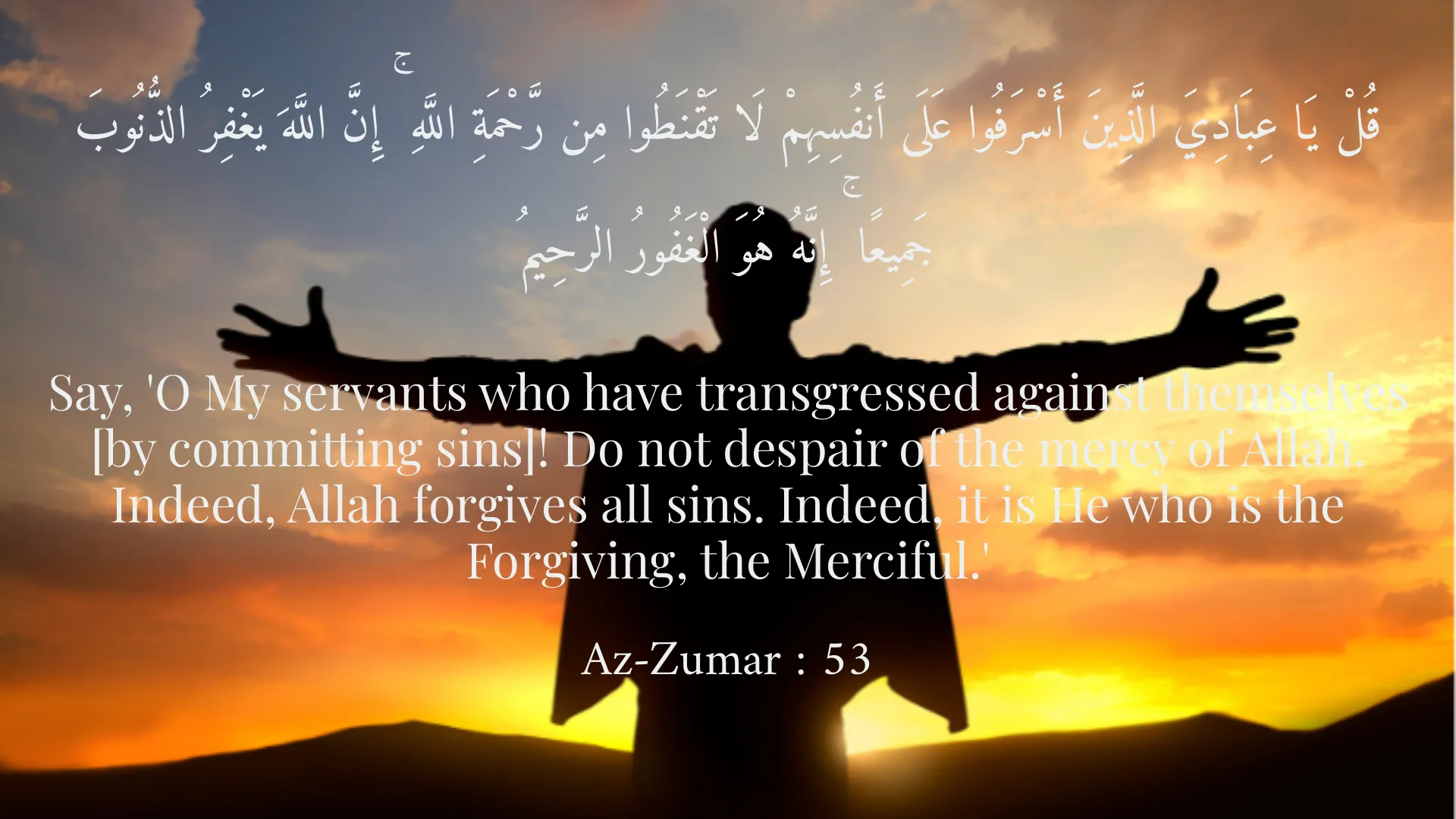
Repentance, known as Tawbah in Islam, signifies a profound return to the Almighty Allah. The Holy Quran repeatedly calls upon believers to repent and turn to God, promising His boundless forgiveness and mercy to those who sincerely turn back. To achieve a true and sincere repentance (Tawbah Nasuh) that is accepted by the Lord and purifies our hearts and souls from the stains of past sins, several fundamental and vital steps must be taken with pure intention. This process is not merely a verbal declaration but a deep internal transformation and a change in lifestyle, encompassing heartfelt regret, a firm resolve to abandon sin, and making amends for past wrongs. The first and most crucial step in true repentance is the “immediate abandonment of the sin.” We cannot claim to repent while continuing to commit the very sin we are supposedly turning away from. This immediate cessation demonstrates one's sincerity in returning to God. If the sin involves financial wrongdoing, such as unlawful earnings, it must be relinquished immediately and, if possible, returned to its rightful owner. If it's a verbal or actionable sin that has damaged someone's reputation, it must cease at once. This cessation must be based on a decisive and irreversible decision, as continuing to sin while claiming repentance indicates a lack of seriousness and a frivolous approach to divine concepts. The Quran states in Surah An-Nisa, verse 17: "Indeed, Allah accepts the repentance of those who do evil in ignorance and then repent soon after. It is those to whom Allah will turn in forgiveness, and Allah is ever Knowing and Wise." This verse highlights the importance of abandoning sin as soon as possible. The second step is “heartfelt regret” for the sin committed. This regret must emanate from the depths of one's being, not merely from fear of worldly or otherworldly consequences. True regret signifies an awakened conscience and a genuine remorse for disobeying the Lord and wronging oneself. This state is an indicator of a living heart and a sense of guilt before the divine majesty. The Prophet Muhammad (peace be upon him) said: "Regret is repentance." This concise statement encapsulates the profound significance of remorse in the repentance process. Without genuine regret for the sin, a true return to the right path is impossible, and the likelihood of repeating the sin remains high. The third step is a “firm resolution not to return to the sin” in the future. This resolve must be decisive and stem from a strong will. One must commit to never going back to that sin. This commitment involves planning to avoid environments and factors that lead one to sin. For instance, if bad company encourages sin, one must distance themselves from such companions. If a particular environment is a cause of sin, that environment should be changed. This strong will is the foundation of Tawbah Nasuh. Without this resolve, repentance will merely be lip service, with no guarantee against the recurrence of sin. Allah says in Surah An-Nur, verse 31: "And turn to Allah all of you, O believers, that you might succeed." Success is only attained through true and lasting repentance. The fourth and often overlooked yet highly significant step is “making amends for the rights of others” (Huquq al-Ibad). If the sin committed infringed upon the rights of others (such as backbiting, slander, theft, debt, or any form of injustice), true repentance involves restoring those lost rights, seeking forgiveness from the affected individuals, and compensating for damages. Allah may forgive sins related to His own rights through sincere repentance, but He does not forgive the rights of people unless the people themselves forgive. This underscores the paramount importance Islam places on social justice and the preservation of individual rights. If it's impossible to restore the right (e.g., the person has passed away or is unreachable), one must seek Allah's forgiveness for that person and give charity on their behalf. After taking these essential steps, one must always maintain a “good opinion of Allah” (Husn ad-Dhan billah). Allah is Most Forgiving and Most Merciful, and we should never despair of His mercy. In Surah Az-Zumar, verse 53, Allah says: "Say, 'O My servants who have transgressed against themselves [by committing sins]! Do not despair of the mercy of Allah. Indeed, Allah forgives all sins. Indeed, it is He who is the Forgiving, the Merciful.'" This verse opens a boundless door of hope for sinners. Furthermore, “increasing good deeds and acts of charity” serves as a complement to repentance. Allah states in Surah Al-Furqan, verse 70: "Except for those who repent, believe and do righteous work. For them, Allah will change their evil deeds into good ones. And Allah is ever Forgiving and Merciful." This verse illustrates that true repentance can not only erase sins but transform them into good deeds. This is a marvelous divine transaction, indicating Allah's boundless generosity and clemency. Therefore, after repenting, we should strive to open a new chapter in our lives by fulfilling obligations, avoiding prohibitions, and increasing voluntary acts of worship and good deeds, thereby seeking divine pleasure. Ultimately, true repentance is an ongoing and continuous process. Throughout life, one may stumble and make mistakes. The important thing is that whenever a lapse occurs, we immediately turn back to Allah, feel remorse, and resolve to abandon that sin. This repeated repentance signifies one's effort to purify the soul and attain spiritual perfection. Repentance not only cleanses sins but also brings spiritual peace, enhances insight, and strengthens the connection with the Creator. So, with a heart full of hope and certainty in divine forgiveness, embark on the path of repentance and begin a new life, relying on the grace and mercy of the Lord.
Related Verses
قُلْ يَا عِبَادِيَ الَّذِينَ أَسْرَفُوا عَلَى أَنفُسِهِمْ لَا تَقْنَطُوا مِن رَّحْمَةِ اللَّهِ ۚ إِنَّ اللَّهَ يَغْفِرُ الذُّنُوبَ جَمِيعًا ۚ إِنَّهُ هُوَ الْغَفُورُ الرَّحِيمُ
Say, 'O My servants who have transgressed against themselves [by committing sins]! Do not despair of the mercy of Allah. Indeed, Allah forgives all sins. Indeed, it is He who is the Forgiving, the Merciful.'
Az-Zumar : 53
وَتُوبُوا إِلَى اللَّهِ جَمِيعًا أَيُّهَ الْمُؤْمِنُونَ لَعَلَّكُمْ تُفْلِحُونَ
And turn to Allah all of you, O believers, that you might succeed.
An-Nur : 31
إِلَّا مَن تَابَ وَآمَنَ وَعَمِلَ عَمَلًا صَالِحًا فَأُولَئِكَ يُبَدِّلُ اللَّهُ سَيِّئَاتِهِمْ حَسَنَاتٍ ۗ وَكَانَ اللَّهُ غَفُورًا رَّحِيمًا
Except for those who repent, believe and do righteous work. For them, Allah will change their evil deeds into good ones. And Allah is ever Forgiving and Merciful.
Al-Furqan : 70
Short Story
In Saadi's Gulistan, it is narrated that a king condemned a man to death for a great crime. In his last moments, instead of pleading for his life, the man sighed deeply and said: "This comparison you make of me, is nothing compared to the one I make of myself. The shame of my sin is greater than the fear of death." The king was astonished by this statement and asked, "How so?" The man replied, "My fear of divine reckoning and the sins I have committed is a thousand times greater than the fear I have of you." The king, deeply moved by his profound remorse, pardoned him and forgave his crime. This story illustrates that genuine regret and confession of sin can sometimes open the doors of mercy, even saving one from the clutches of death.