Quranic Answer
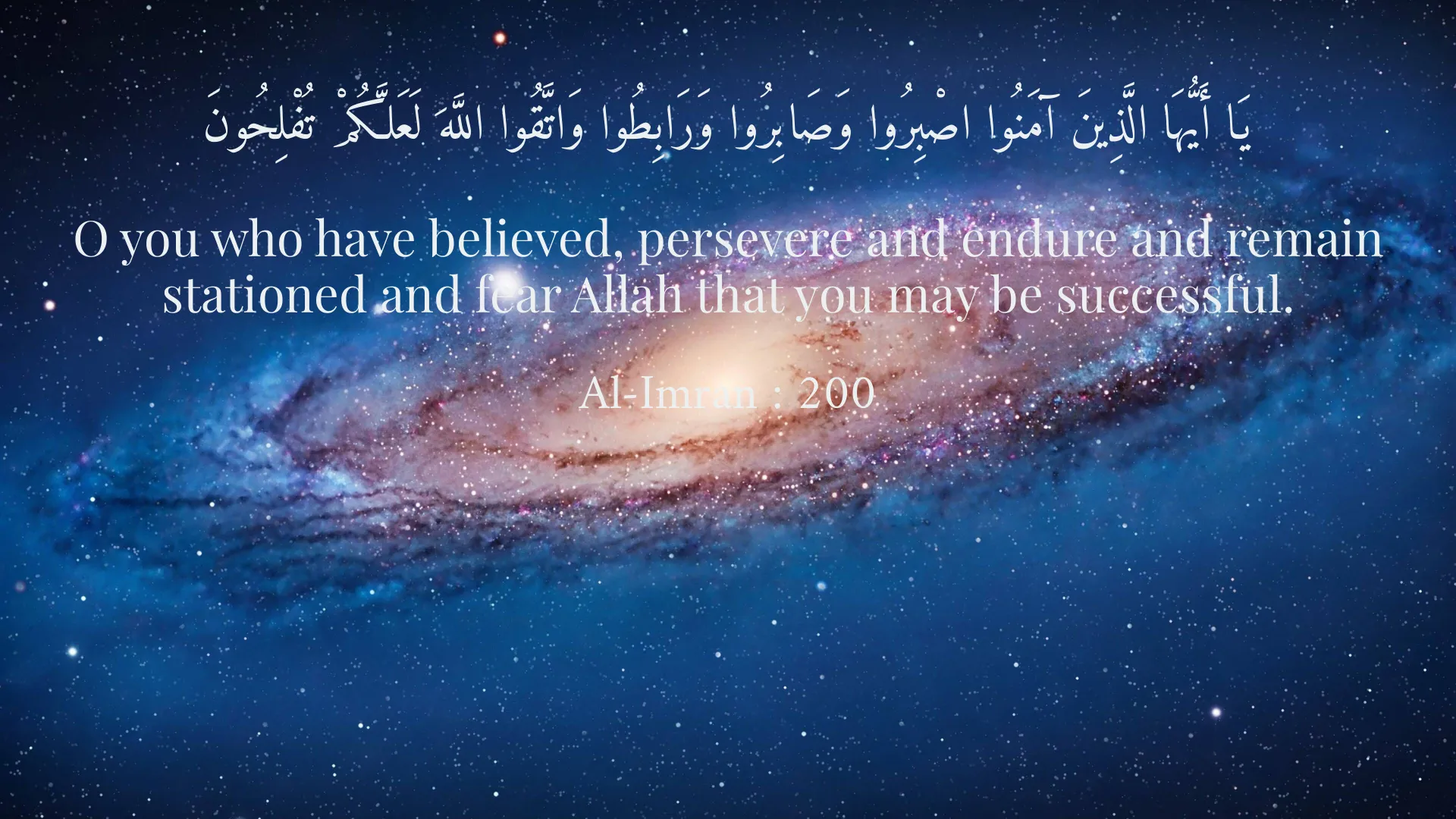
The Holy Quran is a profound source of guidance for Muslims worldwide, addressing various aspects of life, morality, and spirituality. Among the myriad teachings contained within the Quran, there are three fundamental principles that stand out as crucial for cultivating a stronger and more resilient life: piety, patience, and self-confidence. These themes are recurrent throughout the Quran, providing believers with vital tools for navigating the complexities of existence. This article will delve into these principles, illustrating their significance through the teachings of the Quran and exploring their practical applications in our daily lives. ### The Essence of Piety Piety, or ‘taqwa’ in Arabic, is often described as a state of consciousness of Allah that leads a person to act righteously and refrain from sin. The Quran emphasizes the importance of this quality repeatedly, urging believers to safeguard their souls from wrongdoing and adhere closely to divine commands. One particularly poignant verse related to piety is found in Surah Al-Imran, verse 200, where Allah states: "O you who have believed, persevere and endure and remain stationed and fear Allah that you may be successful." This verse serves as a reminder that genuine piety is not merely about performing rituals or following religious tenets; rather, it is about a deep, internal commitment to live in accordance with Allah's will. The call for mindfulness of Allah extends beyond the individual and influences social interactions and community life. Pious individuals are often characterized by their kindness, justice, and dedication to societal welfare. They strive to embody the values of compassion and fairness, which in turn strengthens the moral fabric of society. Hence, fostering piety cultivates a sense of responsibility towards others and fosters an environment where collective growth can thrive. ### The Power of Patience Patience, or ‘sabr’, is another fundamental aspect in the pursuit of a stronger life, and it is depicted with high regard throughout the Quran. Patience is the ability to endure difficulties without losing hope or faith. As highlighted in Surah Al-Baqarah, verse 153: "O you who have believed, seek help through patience and prayer. Indeed, Allah is with the patient." This verse underscores the divine promise that Allah is with those who endure challenges with patience. Patience is often required in various situations, whether it be dealing with personal loss, navigating conflicts, or striving toward personal goals. The Quran encourages believers to see adversities not as insurmountable obstacles but as opportunities for growth and development. The story of Prophet Job (Ayyub), who endured immense suffering but remained steadfast in faith, exemplifies the profound strength that patience can yield. Practically, cultivating patience can have significant benefits in our daily lives. It allows individuals to approach challenging situations with a level head, leading to wiser decision-making and reducing the likelihood of impulsive actions. Moreover, a patient person is often more respected and admired within their community, as patience is an attribute that reflects strength of character and moral integrity. ### Building Self-Confidence Self-confidence, the third pillar of strength discussed in the Quran, is crucial for personal empowerment. It enables individuals to make sound decisions and act independently in the face of life's challenges. The Quran fosters a sense of self-worth among believers by reminding them of their unique value and potential. When one possesses self-confidence, they are more likely to take initiative, set goals, and strive toward them without being paralyzed by fear or doubt. Self-confidence is deeply rooted in the acknowledgment of Allah's support and mercy. When individuals cultivate a strong relationship with their Creator and trust in His plans, they develop a sense of security that fosters confidence in their abilities. In times of difficulty, self-confidence encourages individuals to confront their challenges rather than succumb to despair. For example, Prophet Musa (Moses) displayed remarkable self-confidence when he confronted Pharaoh and led his people to freedom. Despite immense adversity and doubt from others, he drew strength from his faith in Allah and his mission. This historical example serves as a powerful reminder that self-confidence can lead to transformative change, not just individually but also on a societal level. ### Integrating Piety, Patience, and Self-Confidence The interplay between piety, patience, and self-confidence is evident in the teachings of the Quran. To live a life of strength and resilience, individuals are encouraged to weave these principles together. Piety instills a sense of moral compass, guiding decisions and actions. Patience cultivates endurance amidst trials, allowing one to navigate difficulties while maintaining hope. Self-confidence empowers individuals to take action and pursue their goals, driven by faith in Allah and in themselves. When these three qualities are united, they create a harmonious state that equips believers to face life's challenges. Whether in personal relationships, career pursuits, or community involvement, the integration of piety, patience, and self-confidence fosters an environment conducive to growth, compassion, and collective empowerment. ### Conclusion In conclusion, the teachings of the Holy Quran offer a profound roadmap for those seeking strength and resilience in life. By embracing the principles of piety, patience, and self-confidence, individuals can navigate the complexities of existence with grace and determination. These values not only enhance personal character but also contribute to the well-being of the broader community. As believers strive to embody these qualities, they can forge a path toward success that is rooted in faith and commitment to Allah's guidance. Ultimately, the integration of these principles serves as a testament to the strength and resilience that lies within each individual, paving the way for a fulfilling and impactful life.
Related Verses
يَا أَيُّهَا الَّذِينَ آمَنُوا اصْبِرُوا وَصَابِرُوا وَرَابِطُوا وَاتَّقُوا اللَّهَ لَعَلَّكُمْ تُفْلِحُونَ
O you who have believed, persevere and endure and remain stationed and fear Allah that you may be successful.
Al-Imran : 200
يَا أَيُّهَا الَّذِينَ آمَنُوا اسْتَعِينُوا بِالصَّبْرِ وَالصَّلَاةِ إِنَّ اللَّهَ مَعَ الصَّابِرِينَ
O you who have believed, seek help through patience and prayer. Indeed, Allah is with the patient.
Al-Baqarah : 153
Short Story
One day, a man named Ali was striving to be stronger in his life. He recalled the verses of the Quran and decided to follow the principles of piety, patience, and self-confidence. Gradually, he found that by adhering to these principles, he not only overcame challenges but also experienced a sense of peace and inner strength.