Quranic Answer
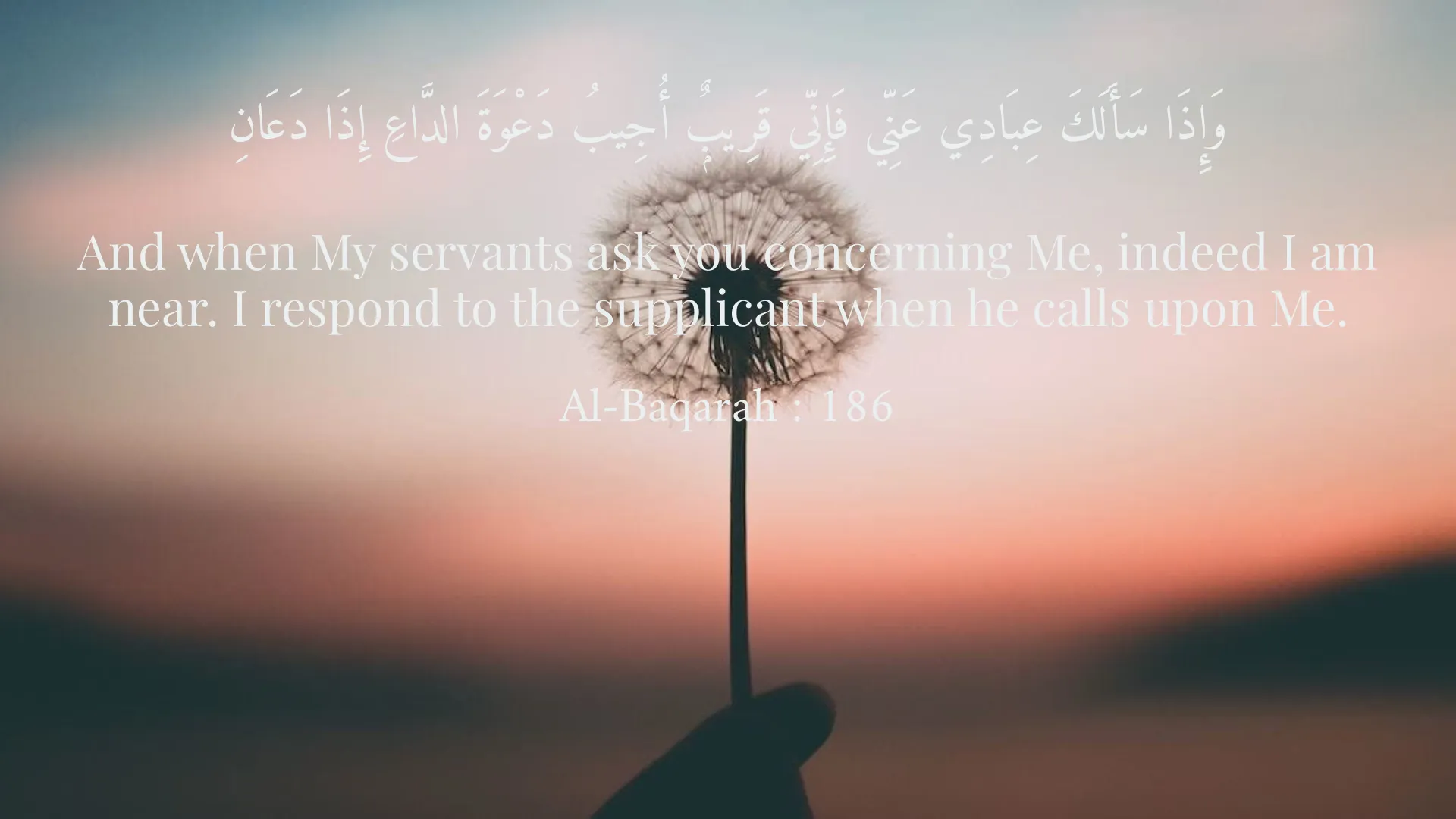
In today's fast-paced world, solitude is often viewed with trepidation or even fear. Many people find themselves constantly surrounded by noise, technology, and other distractions. However, solitude can be a profound experience where a person might encounter various emotions and reflections. Within the context of spirituality, particularly in Islam, moments of solitude bear significant value, offering a unique opportunity for personal growth and connection with Allah. This article aims to delve into the importance of solitude in fostering a relationship with the Divine and understanding oneself through the lens of Islamic teachings. The Holy Quran, the foundational text of Islam, provides guidance on how individuals can engage with their solitude meaningfully. One of the pivotal messages conveyed in the Quran is found in Surah Al-Baqarah, verse 186, which states: "And when My servants ask you concerning Me, indeed I am near. I respond to the supplicant when he calls upon Me." This profound declaration highlights a significant aspect of Islamic belief: the nearness of Allah to His servants. The verse signifies that in moments of solitude, when a person reflects or seeks, Allah is exceptionally close, ready to listen and respond. The act of supplication, or dua, becomes particularly vital during these solitary moments. It's not just a mere request; it represents a heartfelt invocation, a call to the One who hears everything. In today's busy life, amidst the chaos, people often forget to pause and reflect. Solitude offers that pause, allowing individuals to step back from the clamor of daily life and turn their thoughts towards the Divine. During these times of reflection, a person can calm their heart, achieving a sense of tranquility that is elusive amidst constant interaction and disturbance. Islamic teachings emphasize that true worship occurs when a person approaches Allah with a pure heart and sincere intention. Surah Al-Mu'minun, verse 117, echoes this sentiment: "Indeed, He does not forgive association with Him, but He forgives what is less than that for whom He wills." This verse draws attention to the importance of monotheism and the individual’s relationship with God. In solitude, when a person's heart beats with the remembrance of Allah, there lies a profound opportunity for establishing a genuine connection with Him. One of the remarkable aspects of engaging with Allah in solitude is the manner in which it fosters intimacy. Solitude strips away the distractions and allows individuals to confront their inner thoughts and feelings. Here, prayers are not just ritualistic utterances; they transform into genuine expressions of a person's needs, hopes, and fears. In these instances, supplication becomes a means of connecting with Allah on a deeper level, far removed from the superficial aspects of communal worship. In solitude, the worshiper can pour out their heart, laying bare their vulnerabilities, desires, and gratitude before the merciful One. This vulnerability nurtures faith and highlights the essential nature of lifestyle changes that may need to occur in pursuit of becoming closer to the Divine. To make the most of these solitary moments, several practices can help enhance the experience. First and foremost, creating a comfortable and peaceful environment to retreat into can facilitate a more profound connection. This sacred space, whether it be a room, a garden, or even a quiet corner, should be free from distractions. By turning off electronic devices and stepping away from daily obligations, one can fully immerse in their solitude, making it an intentional act of devotion. Meditation and reflection are also vital components of solitude in an Islamic context. The Quran encourages contemplation of the universe, oneself, and the Divine. Moments spent in quiet reflection can yield insights that are often lost in the hustle of everyday life. By pondering the mysteries of creation or the intricacies of personal emotions, one may gain valuable clarity and direction in their spiritual journey. Furthermore, reading and reciting from the Quran can effectively deepen one’s faith during these moments. The verses carry substantial meaning and relevance, inspiring the soul while guiding the heart. Engaging with the text allows individuals to internalize the teachings of Islam, further enriching their connection with Allah. Additionally, journaling can be an excellent way to capture feelings during these solitary times. Writing down prayers, thoughts, or reflections provides an opportunity to visualize one’s journey and track progression in faith over time. The act of writing can also clarify confusing thoughts, transforming them into articulate expressions of belief, doubt, or hope. In moments of solitude, one can also engage in acts of worship beyond supplication. Simple acts such as gratitude or service remembrance can shift focus towards the blessings one possesses. Gratitude not only fosters a positive mindset but strengthens the relationship with Allah by acknowledging His bounty and mercy. However, the benefits of solitude in a spiritual context extend beyond individual worship. Engaging with Allah in these moments ultimately leads to a stronger community as well. A person connected with their Creator can contribute positively to society, guiding others while embodying principles of compassion, mindfulness, and integrity. When individuals nurture their spiritual health in solitude, they cultivate pure joy, patience, and resilience, traits that can uplift and inspire those around them. In conclusion, solitude, though often overlooked, can serve as a sanctuary allowing for profound engagement with Allah. The teachings of the Holy Quran illuminate the transformative power of these moments, where supplication and worship become avenues for tranquility and true connection. Therefore, embracing solitude can lead to deeper faith, self-discovery, and a more significant purpose in life. It is in these precious moments of silence that individuals uncover the strength to face challenges, foster intimacy with the Divine, and redefine their place in the world. For those who traverse the path of self-reflection and prayer, solitude is not an absence but, rather, a presence filled with love, guidance, and connection to Allah.
Related Verses
وَإِذَا سَأَلَكَ عِبَادِي عَنِّي فَإِنِّي قَرِيبٌۭ أُجِيبُ دَعْوَةَ الدَّاعِ إِذَا دَعَانِ
And when My servants ask you concerning Me, indeed I am near. I respond to the supplicant when he calls upon Me.
Al-Baqarah : 186
فَإِنَّهُ لَا يَغْفِرُ أَنْ يُشْرَكَ بِهِ وَيَغْفِرُ مَا دُونَ ذَٰلِكَ لِمَن يَشَاءُ
Indeed, He does not forgive association with Him, but He forgives what is less than that for whom He wills.
Al-Mu'minun : 117
Short Story
In a distant time, a man named Ahmad lived alone on an island. Every day he looked at the sea and spoke to God in his heart. He realized that in his solitude, he felt closer to God more than ever. On a stormy day, while he was alone, he called upon God for help, and suddenly a strange peace filled his heart. That day, Ahmad learned that he was never far from God and that even in solitude, he could call upon Him and feel His closeness.