Quranic Answer
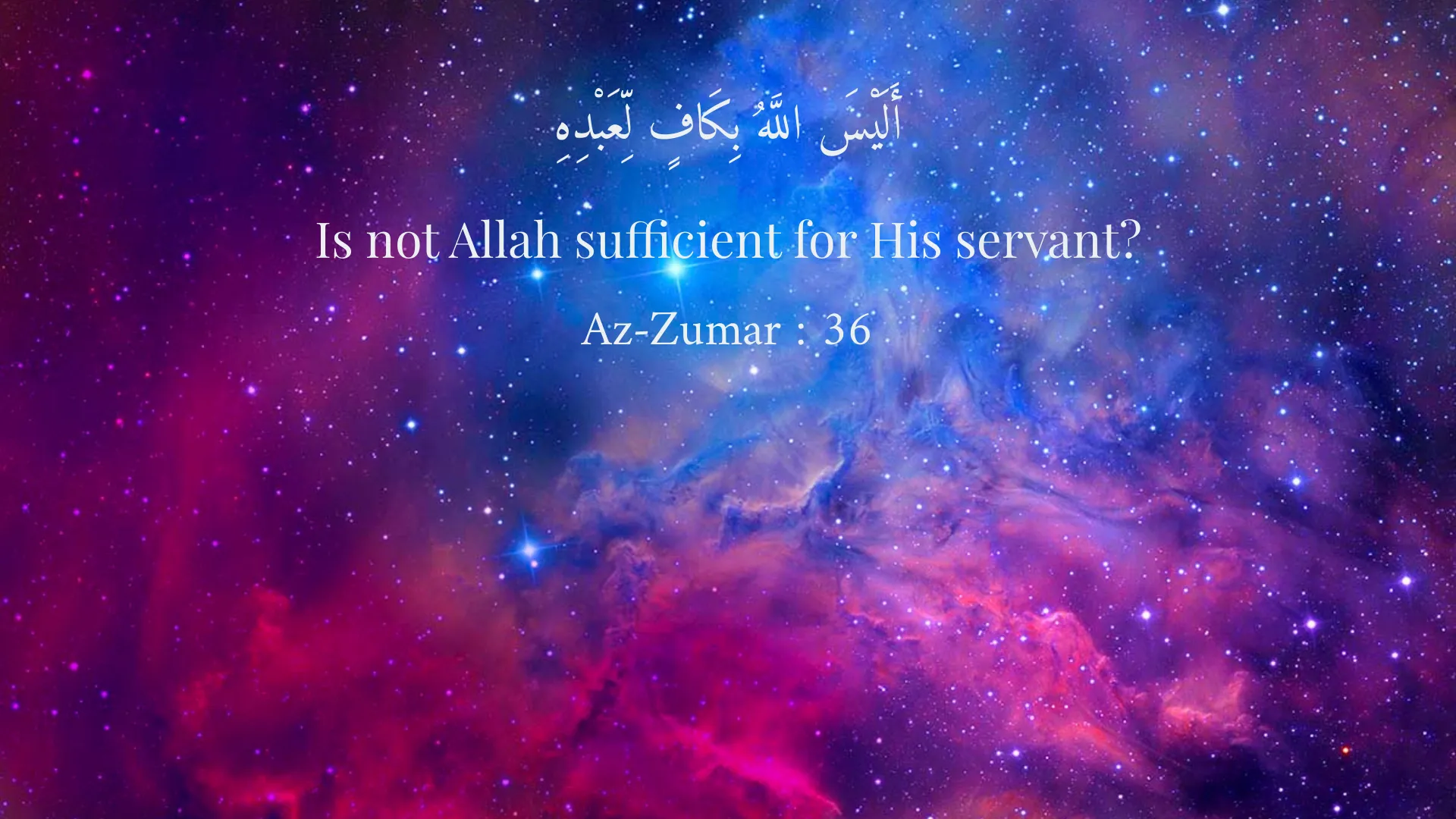
Detaching from worldly attachments is a profound challenge faced by individuals across cultures and societies. The temptations of materialism can often cloud one’s judgment, leading to an incessant desire for more, which ultimately distracts us from what truly holds value in life. The Quran, a central religious text in Islam, addresses this significant issue in several verses, providing guidance on overcoming such attachments by reminding us of the transitory nature of worldly possessions and the everlasting nature of the afterlife. In this article, we will delve deeper into the significance of spiritual detachment, the importance of relying on God, and practical steps to diminish worldly attachments in accordance with teachings from the Quran. Firstly, we need to comprehend the essence of worldly attachments and why they pose such a challenge. Society often equates success with material wealth, status, and possessions. This association has led individuals to place their value and self-worth upon what they own or accomplish in the material world. However, the Quran offers a different perspective. In Surah Az-Zumar, verse 36, Allah states, "Is not Allah sufficient for His servant?" This powerful verse encapsulates a contention that many followers grapple with—rather than placing our emotional dependence on material possessions or the opinions of others, we must place our trust in the sufficiency of Allah. The implication of this verse is profound; it challenges us to reconsider our priorities and acknowledge that true fulfillment comes from our spiritual connection and reliance on God. To diminish worldly attachments effectively, one must emphasize spirituality and a deeper understanding of God’s nature. Engaging in rituals of worship, such as prayer, fasting, and reading the Quran, can significantly strengthen our connection with Allah, thereby reducing our tendency to rely on worldly goods for happiness or validation. The practices of prayer and fasting fortify our spiritual discipline and help bridge the gap between our material existence and spiritual aspirations. Moreover, the Quran touches on the allure of worldly desires in Surah Al-Imran, verse 14: "Beautified for people is the love of that which they desire - of women and children, heaped-up sums of gold and silver, fine branded horses, and tilled land..." This verse highlights the comprehensive nature of worldly attachments and urges believers to acknowledge the illusion encapsulated in these desires. While such things may be naturally attractive, the Quran unequivocally emphasizes the importance of accountability in the afterlife, urging us to consider the impermanence of these items compared to the eternity promised by God. To shift our focus from material pursuits to spiritual enrichment, we must actively seek knowledge and understanding of our faith. Studying the Quran and contemplating its meanings enables us to gain insight into our existence and provides clarity on our ultimate goals in life. It interacts with our intentions and aspirations, serving as a constant reminder of our higher purpose beyond material existence. Setting aside time for deep exploration of the Quran, along with reflecting on its messages, cultivates a habit that guides our thoughts and actions toward achieving a life of spiritual significance. The knowledge of God increases our consciousness of His presence, thus enhancing our dedication to living a life not shackled to the material. Additionally, engaging in charitable activities is another powerful way to foster detachment from worldly possessions while also nurturing our spiritual growth. By assisting those in need, providing support, or participating in community service, we open our hearts to understanding the significance of generosity and compassion. This engagement not only strengthens our relationship with our community but enriches our relationship with God. The act of giving fosters an inner joy that surpasses materialistic satisfaction and develops a profound warmth towards the Divine. When our focus shifts away from accumulating wealth to serving others, we confront our own attachments and avarice, allowing our hearts to become more aligned with God’s will. This pattern of behavior can epitomize a lifestyle that is less about possession and more about purpose. Furthermore, the Quran frequently emphasizes the importance of helping others and placing our resources in ensuring the comfort and well-being of those who may not have the same blessings we may take for granted. In summary, liberating oneself from worldly attachments requires a concerted effort to focus on spirituality, knowledge, and a deep reliance on God. The task may seem overwhelming, but it is indeed achievable with consistent dedication and practice. To start this journey, one must actively engage in prayer, study the Quran deeply, contribute meaningfully to society, and surround oneself with reminders of the ephemeral nature of the world. Through these actions, we cultivate a lifestyle that appreciates spiritual richness rather than material wealth. Ultimately, the path to true fulfillment lies not in the possessions we accumulate but rather in the hearts we touch and the spiritual knowledge we gain in our journey towards Allah. The teachings of the Quran serve as a timeless reminder to navigate the complexities of life with a focus on the eternal, inspiring believers to detach from what is fleeting and immerse themselves in the beauty of spiritual connection.
Related Verses
أَلَيْسَ اللَّهُ بِكَافٍ لِّعَبْدِهِ
Is not Allah sufficient for His servant?
Az-Zumar : 36
زُيِّنَ لِلنَّاسِ حُبُّ الشَّهَوَاتِ مِنَ النِّسَاءِ وَالْبَنِينَ وَالْقَنَاطِيرِ الْمُقَنَّطَرَةِ مِنَ الذَّهَبِ وَالْفِضَّةِ
Beautified for people is the love of that which they desire - of women and children, heaped-up sums of gold and silver...
Al-Imran : 14
Short Story
One day, Adel was thinking about his attachments to the world. He remembered the verses of the Quran and decided to make his connection with God the center of his life. With more prayers and supplications, he felt a heavy burden lifted off his shoulders, and he gained more peace. After a while, he noticed that all his problems were being resolved with God's help, and his attachment to the world no longer troubled him.