Quranic Answer
To Have a Kinder Heart: The Principles of Piety, Faith, and Kindness in the Quran The quest for cultivating a kinder heart is a timeless endeavor that transcends cultures and ages. Central to this pursuit, particularly for those interested in Islamic teachings, is the guidance provided by the Quran. The Quran emphasizes the importance of piety and faith in God as foundational elements for nurturing a compassionate and loving demeanor towards others. It provides numerous verses that encapsulate the essence of kindness, urging believers to cultivate their inner worlds to reflect gentleness and love externally. In this article, we will delve deeper into the Quranic teachings surrounding piety, faith, and kindness, illustrating how these principles guide us towards developing a kinder heart. Piety and Faith: The Starting Point for Kindness The first key aspect highlighted in the Quran regarding having a kinder heart is the concept of piety and faith in God. In Surah Al-Imran, verse 29, Allah states: "Say, 'Whether you conceal what is within yourselves or reveal it, Allah knows it.'" This profound verse underscores the omniscience of Allah and serves as a reminder that our innermost thoughts and intentions are known to Him. When we develop a deep sense of faith in God, we are encouraged to turn our focus inwards, examining our intentions and the state of our hearts. A heart that is attuned to the divine is more likely to be open, receptive, and kind. The principle here is that if we genuinely cultivate a loving relationship with God through piety, we become vessels of love ourselves, embodying the compassion that Allah extends to His creation. Divine Love and Human Connection In Surah Al-Maidah, verse 54, it is mentioned: "O you who have believed, whoever of you should revert from his religion - never will Allah harm them; rather, Allah will bring forth for the people whom He will love and who will love Him." This verse further reiterates that the bond between the believer and Allah fosters an atmosphere of love—a love that extends to fellow human beings. Those who believe in Allah and His Messenger are identified as being uniquely positioned to experience divine love, which naturally leads to the cultivation of kindness and compassion in their interactions with others. Moreover, this divine encouragement to love and care for one another enriches the human experience, fostering a community where kindness is not just an aspiration but a norm. When individuals are rooted in their faith, the resultant affection flows outward, nurturing relationships and encouraging a culture of love and support among believers. The Essence of Righteousness: Good Deeds and Kindness Transitioning from faith to action, the Quran emphasizes that kindness is fundamentally expressed through good deeds. Surah Al-Baqarah, verse 177 states: "Righteousness is not that you turn your faces toward the east or the west, but [true] righteousness is in one who believes in Allah, the Last Day, the Angels, the Scripture, and the Prophets and gives his wealth, in spite of love for it, to relatives, orphans, the needy." This profound verse encapsulates the essence of true righteousness, revealing that it is not about mere rituals or outward displays of religiosity, but about the inner qualities that motivate our actions. This verse also highlights the importance of selflessness in acts of kindness. It is easy to be kind when it costs us little; however, true kindness often demands sacrifice, particularly in giving from our own wealth or comfort. This call to action signals that the kindness of heart is not limited to feelings; rather, it compels us to engage actively in uplifting those around us. When we assist those in need, care for orphans, and support our relatives, we create a ripple effect of kindness that can profoundly impact the community. Kindness as a Response to Hardships In a world where harshness and discord can often dominate, embodying kindness serves as a powerful antidote to negativity. The Quran repeatedly emphasizes the importance of gentleness in our interactions. This kindness is not an indication of weakness; rather, it signifies strength—a strength that eschews anger and harshness in favor of understanding and kindness. Each individual is on a unique journey, experiencing triumphs and tribulations. We often encounter others who may be struggling, and our gentle words and actions can serve as beacons of hope. By choosing kindness—through words of encouragement, small acts of generosity, or even a smile—we can make a significant difference in the lives of those around us. The Collective Impact of Kindness Furthermore, systems of kindness create a societal environment where compassion thrives. When kindness becomes a collective value, it fosters trust and unity among people, breaking barriers of misunderstanding and resentment. The Quran equips us with a moral compass by which we can facilitate this kind of environment. By striving to be kinder, we not only bring joy and relief to others but also cultivate our inner tranquility and fulfillment. Ultimately, the principles of piety, faith, and kindness are interwoven in the Quran, creating a cohesive blueprint for individuals to follow. To have a kinder heart, we must live faithfully, prioritize our spiritual connection with God, and allow that connection to translate into genuine love and compassion for others. Conclusion In conclusion, the teachings of the Quran illuminate the pathway to a kinder heart, guiding believers to cultivate their internal dispositions through faith and piety. As we embrace kindness both towards ourselves and others, we not only fulfill a divine directive but also contribute to creating a world where love reigns supreme. As we reflect on the words of the Quran, may we strive to embody these principles and engage in acts of kindness with sincerity and dedication, for it is through such endeavors that we truly honor our humanity and serve the greater good.
Related Verses
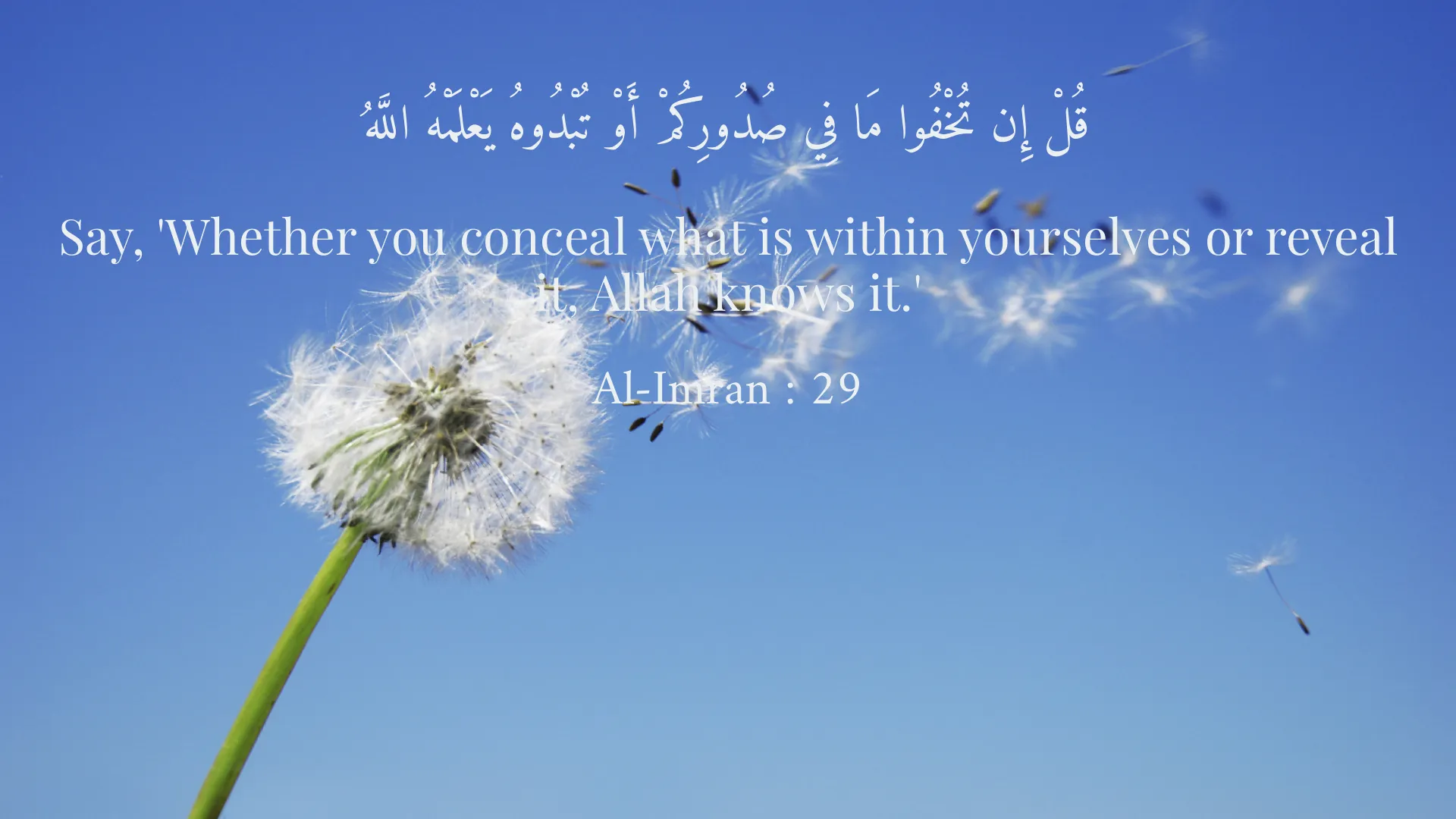
قُلْ إِن تُخْفُوا مَا فِي صُدُورِكُمْ أَوْ تُبْدُوهُ يَعْلَمْهُ اللَّهُ
Say, 'Whether you conceal what is within yourselves or reveal it, Allah knows it.'
Al-Imran : 29
يَا أَيُّهَا الَّذِينَ آمَنُوا مَن يَرْتَدَّ مِنْكُمْ عَنْ دِينِهِ فَسَوْفَ يَأْتِيَ اللَّهُ بِقَوْمٍ يُحِبُّهُمْ وَيُحِبُّونَهُ
O you who have believed, whoever of you should revert from his religion - never will Allah harm them; rather, Allah will bring forth for the people whom He will love and who will love Him.
Al-Maidah : 54
لَيْسَ الْبِرَّ أَنْ تُوَلُّوا وُجُوهَكُمْ قِبَلَ الْمَشْرِقِ وَالْمَغْرِبِ وَلَكِنَّ الْبِرَّ مَنْ آمَنَ بِاللَّهِ وَالْيَوْمِ الْآخِرِ وَالْمَلَائِكَةِ وَالْكِتَابِ وَالْأَنْبِيَاءِ وَآتَى الْمَالَ عَلَى حُبِّهِ ذَوِي الْقُرْبَى وَالْيَتَامَى وَالْمَسَاكِينِ
Righteousness is not that you turn your faces toward the east or the west, but [true] righteousness is in one who believes in Allah, the Last Day, the Angels, the Scripture, and the Prophets and gives his wealth, in spite of love for it, to relatives, orphans, the needy.
Al-Baqarah : 177
Short Story
One day, a man named Adel noticed an old tree in a park that appeared weathered but was full of beautiful flowers. It reminded him that there are hidden beauties within every being, both physically and spiritually. He decided to express love to others just like that tree, despite inner frustrations. From that day on, Adel helped others and used kind words, making a positive impact on their lives. Over time, not only did his heart become kinder, but others also showed him greater affection, and these friendships filled his life with love and kindness.