Quranic Answer
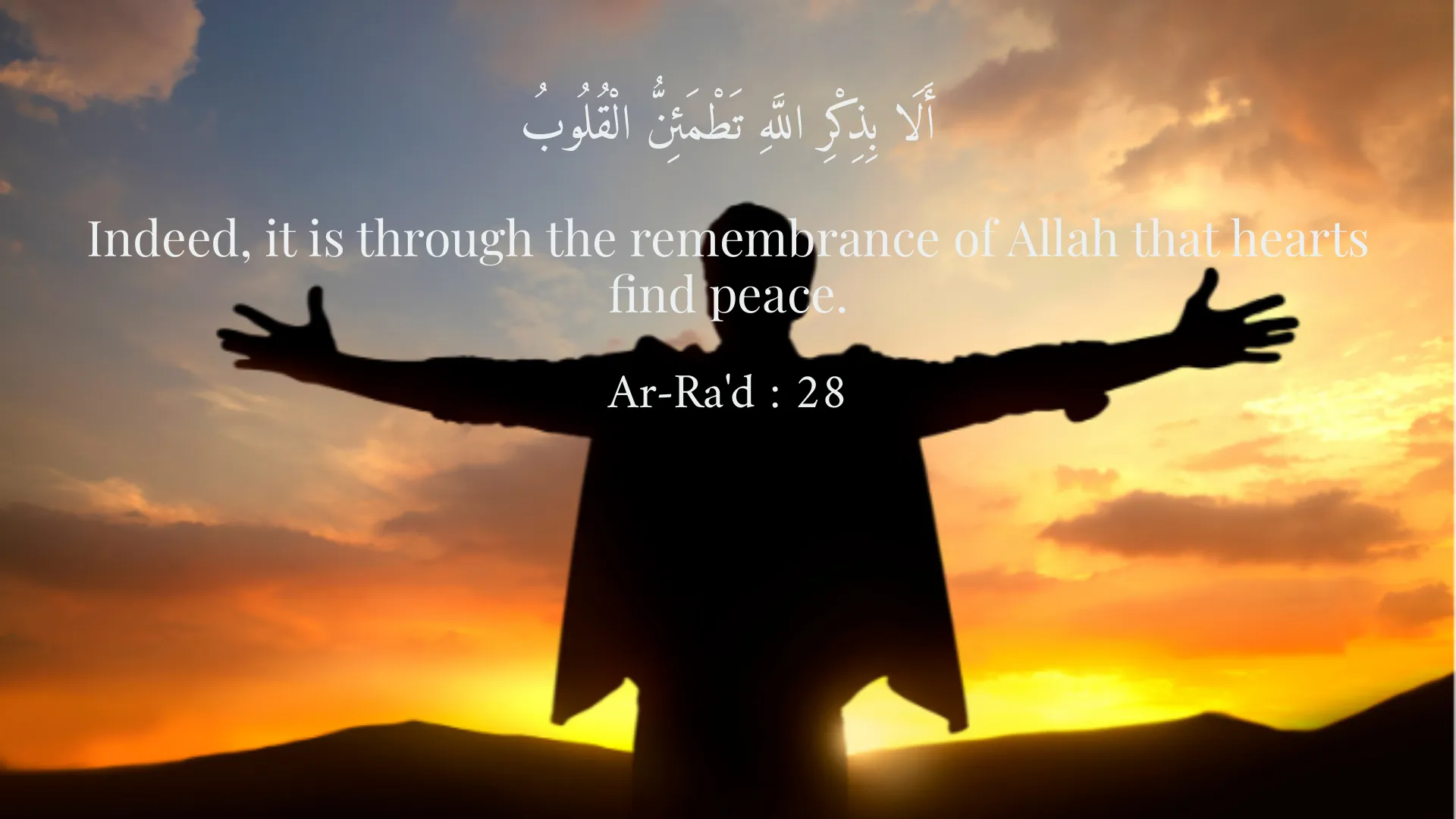
In the Holy Quran, the significance of softening one's heart and embracing humility before Allah and His creation is profoundly emphasized. The human heart is often described as being inclined towards hardness due to the burdens of daily life, worldly distractions, and emotional struggles. Therefore, the Quran provides guidance on the necessary steps to cultivate a tender heart, one that is receptive to the divine messages and compassionate towards the people around us. This article aims to explore the various methods mentioned in the Quran that can help in softening one’s heart while highlighting the importance of being humble in the sight of Allah and in our interactions with His creation. One of the most powerful ways to soften the heart is through the remembrance of Allah (Dhikr) and meditation on His verses (Ayat). This concept is beautifully captured in Surah Ar-Ra'd (Chapter 13), verse 28, where Allah states, "Indeed, it is through the remembrance of Allah that hearts find peace." The essence of this verse reveals that remembrance of Allah not only acts as a remedy for the restless soul but also provides tranquility in times of distress. Engaging in Dhikr allows an individual to pause amidst life's chaos and refocus one’s thoughts towards the divine. This practice fosters a sense of serenity, combating feelings of sadness and despair that may afflict the heart. Moreover, the act of remembering Allah becomes even more profound when it involves contemplating His words. The Quran is not just a holy text; it is full of wisdom, guidance, and reassurance for believers. By taking the time to reflect on the Quranic verses, individuals can gain insight into their life’s situations, develop an understanding of their purpose, and realize the boundless mercy and love Allah has for His creation. Additionally, Surah Maryam (Chapter 19), verse 96, sheds light on the correlation between faith, righteous actions, and a softened heart. The verse states, "Indeed, Allah gives love to those who believe and do righteous deeds." The idea proposed here is that with faith in Allah, coupled with the execution of virtuous actions, one can attain a sense of closeness to Him. This love extends beyond the individual, nurturing compassion for others in their heart. When a person experiences Allah's love and mercy, it becomes a catalyst for their empathy and kindness, ultimately leading to a softened heart that reaches out to others. Kindness and goodness towards others serve as another significant method for achieving a tender heart. The Quran encourages believers to engage in acts of charity, support the needy, and treat others with respect. The simple act of extending love and goodwill to fellow human beings creates positive emotions within. When an individual participates in good deeds, such as helping others, volunteering time and resources, or simply offering kind words, they often find a reflection of that kindness mirrored back to them. This cycle of compassion and goodwill reinforces a person's emotional and spiritual state, leading to a heart filled with warmth and empathy. Reflecting on Surah Fatir (Chapter 35), verse 34, where Allah reminds us about the remembrance of blessings and the warning of Hell, we can glean valuable lessons that directly relate to having a softened heart. Allah hints that by being aware of the mercies bestowed upon us and recognizing the consequences of our actions, individuals can cultivate an attitude of gratitude and humility. Such reflections can lead to a heightened awareness of Allah’s love and mercy, which encourages them to nurture their hearts and draw closer to Him. In addition to these practices, prayer (Salah) and supplication (Dua) are imperative for softening one’s heart. Establishing a regular routine of prayer fosters a direct connection with Allah, where believers seek guidance, forgiveness, and assistance in their affairs. Through prayer, individuals surrender their worries and anxieties to Allah while asking Him to soften their hearts. It is through this open line of communication that a person can express their vulnerabilities, allowing them to release feelings of hardness and embrace humility before Allah. Furthermore, supplication allows one to make personal requests for mercy, understanding, and emotional healing. After all, the heart is susceptible to various influences and emotional upheavals; hence, asking Allah for His support can help shield it from negativity and bolster a state of inner peace. The act of turning to Allah in times of need reinforces the believer's relationship with their Creator, reminding them of His omnipotence and mercy. In summary, softening one’s heart in accordance with the teachings of the Quran requires a multifaceted approach that encompasses remembrance (Dhikr), acts of kindness, contemplation of Allah's verses, and the practice of prayer and supplication. Through these steps, believers can cultivate a humble and compassionate heart, drawing closer to Allah and reflecting His love in their interactions with others. By embracing humility and kindness, individuals not only enrich their own lives but also contribute positively to society, creating an environment filled with understanding, empathy, and compassion. As the Quran guides us, the journey towards a softened heart is not only a spiritual aspiration but also a crucial foundation for building healthy relationships with oneself, Allah, and His creation.
Related Verses
أَلَا بِذِكْرِ اللَّهِ تَطْمَئِنُّ الْقُلُوبُ
Indeed, it is through the remembrance of Allah that hearts find peace.
Ar-Ra'd : 28
إِنَّ الَّذِينَ آمَنُوا وَعَمِلُوا الصَّالحَاتِ سَيَجْعَلُ لَهُمُ الرَّحْمَةَ
Indeed, Allah gives love to those who believe and do righteous deeds.
Maryam : 96
وَاذْكُرُوا النِّعْمَةَ الَّتِي أَنْعَمَ اللَّهُ عَلَيْكُمْ
And remember the blessings of Allah upon you.
Fatir : 34
Short Story
Once upon a time, there was a man named Ali who always felt cold and emotionless. Following a friend's advice, he decided to give charity and do good to others. Over time, he felt his heart softening, and life became more beautiful for him. With the remembrance of Allah and kindness to others, he was able to bring satisfaction and peace into his life.