Quranic Answer
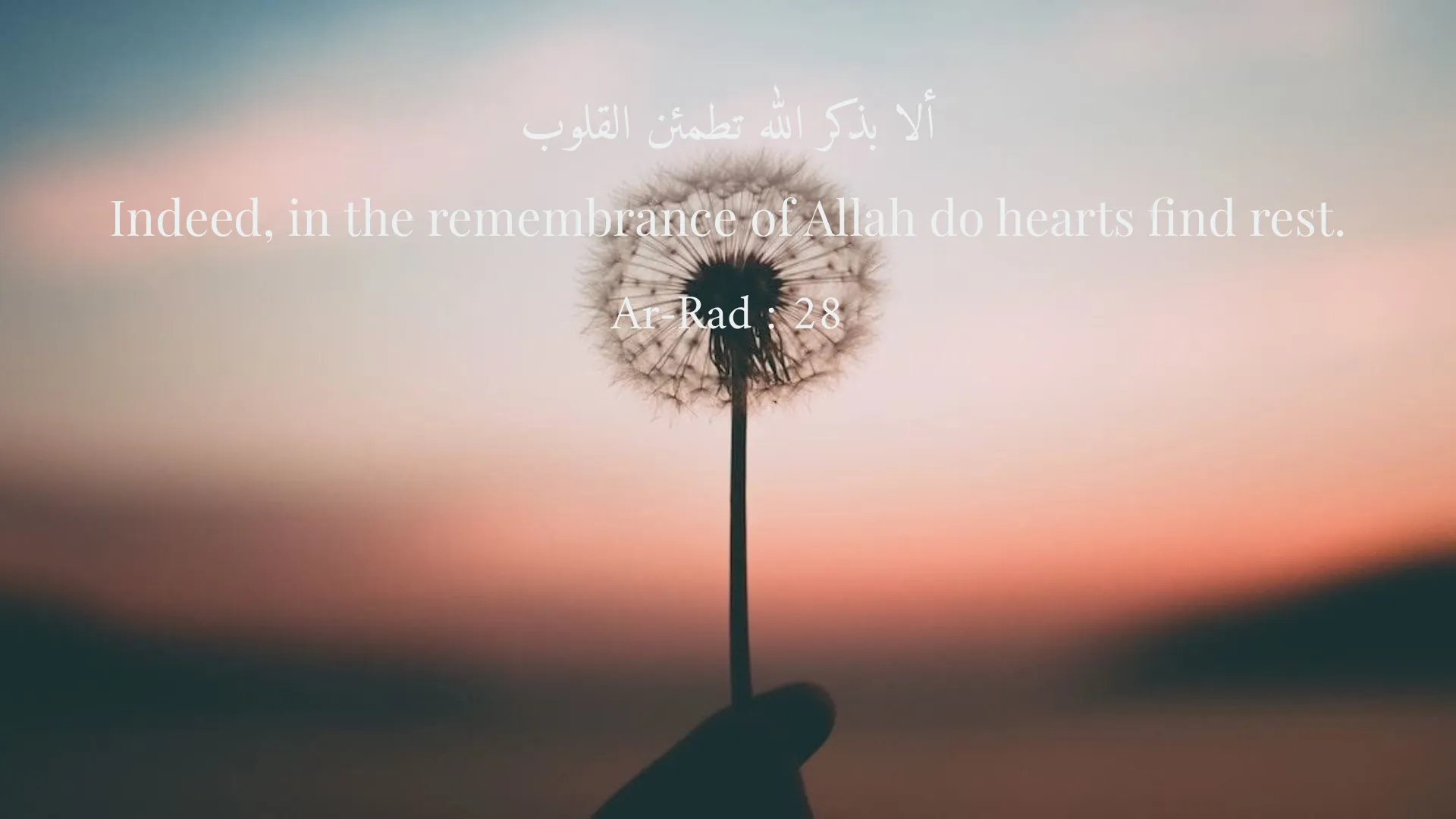
The Holy Quran, revered by millions around the globe as the ultimate source of guidance and wisdom, offers an abundance of verses and stories that illuminate the path towards maintaining calmness and optimism during life's most challenging moments. Among the myriad of teachings it provides, one of the most significant verses is verse 28 of Surah Ar-Rad, which states: 'Indeed, in the remembrance of Allah do hearts find rest.' This profound statement encapsulates the idea that true peace and tranquility stem from a deep and sincere remembrance of God. As we traverse the hurdles life throws our way, it becomes imperative to adopt an attitude steeped in patience and faith. The importance of this message cannot be overstated, particularly in an ever-changing world fraught with difficulties. When we delve deeper into the concept of remembrance of God (dhikr), it becomes evident that it serves as a refuge for the weary heart. In our fast-paced lives filled with distractions and chaos, taking a moment to connect with our Creator fosters a sense of serenity and reassurance. This act of remembrance cultivates trust in God, and this unwavering trust manifests itself as a surge of positive energy that empowers believers to tackle their challenges head-on. For those navigating through turbulent times, turning to God through prayer and reflection can be both a source of strength and solace. Moreover, recognizing that life is an intricate tapestry woven with a plethora of experiences, both joyous and sorrowful, is fundamental to cultivating resilience. Surah Al-Baqarah, verse 155, reminds us of this essential truth: 'And We will surely test you with something of fear and hunger and a loss of wealth and lives and fruits.' This verse serves as a divine reminder that trials are an inherent part of the human experience. Understanding that hardships are not purposeless, but rather a means through which we can grow and strengthen our faith, allows us to adopt a more optimistic outlook. Embracing an optimistic mindset in the face of adversity challenges the natural human inclination to despair. It encourages individuals to perceive obstacles as opportunities for growth and transformation. By focusing on what we can learn from our struggles rather than succumbing to despair, we create a fertile ground for personal development. This shift in perspective empowers us to experience joy even when circumstances appear bleak. In times of distress, our response can significantly affect our emotional well-being. Maintaining a positive attitude is not simply about suppressing negative feelings but rather entrusting our anxieties to God while actively nurturing hope. One of the core tenets of Islamic faith revolves around placing unwavering trust in Allah's wisdom and timing. This belief fosters resilience, as individuals learn to rely on God's plan rather than their limited understanding. Such reliance serves to lighten the burdens we bear, allowing smiles to return where there might once have been tears. Furthermore, supplication (dua) is a cornerstone of Islamic practice that facilitates connectivity with God. Through sincere prayers, individuals energetically communicate their desires, fears, and hopes, reinforcing their spiritual bond. Such communication enables believers to find vitality even amidst hardship, as it reiterates the concept that they are never alone. The act of supplication becomes a channel for releasing pent-up emotions and stresses, as well as a reminder of the mercy and compassion inherent in God's nature. Acts of kindness towards oneself and others also play an instrumental role in maintaining joy during testing times. Engaging in self-compassion allows individuals to acknowledge their struggles without harsh self-judgment. At the same time, showing kindness to others fosters community support and empathy. In Islam, the concept of ummah emphasizes the importance of community and solidarity. By lifting one another up, we create an environment that nurtures healing and strength. The act of caring for others ultimately serves to alleviate our burdens, significantly contributing to our happiness. Moreover, focusing on gratitude can be a transformative practice in cultivating a positive mindset. Recognizing the blessings that exist in one's life, no matter how small, alters our internal dialogue. The practice of gratitude shifts our focus from what we lack to what we possess, enhancing our overall contentment. This change in perspective acts as a catalyst for positivity, enabling smiles to bloom even in the harshest of circumstances. In conclusion, navigating through life's myriad challenges is an inevitable part of the human experience. However, the Holy Quran provides guidance that empowers us to maintain calmness and optimism in the most trying of times. By remembering Allah, exercising patience, engaging in supplication, and showing kindness, we forge pathways towards resilience and vitality. As we navigate our personal trials, let us embrace the teachings of the Quran and cultivate an unwavering hope that brightens our days, allowing us to smile even amidst challenges. In this journey, we must remind ourselves of the belief that with every hardship comes ease, thereby strengthening our faith and capacity for joy. Through these divine lessons, we can approach life's adversities with a heart full of trust, resilience, and ultimately, a smile.
Related Verses
ألا بذكر الله تطمئن القلوب
Indeed, in the remembrance of Allah do hearts find rest.
Ar-Rad : 28
ولنبلوکم بشیء من الخوف و الجوع و نقص من الأموال و الأنفس و الثمرات
And We will surely test you with something of fear and hunger and a loss of wealth and lives and fruits.
Al-Baqarah : 155
Short Story
One day, a man was drowning in his problems and had lost hope in life. In this state, he remembered the verses of the Quran telling him: 'Remember God, and your hearts will find rest.' He decided to take a few minutes every morning to reflect and after that to look at his problems. He realized that with this change of perspective, a smile returned to his face and he was able to remain hopeful about life.