Quranic Answer
How can one use the experience of sin for spiritual and personal growth? This is a profound question that every human being might encounter on their life's journey. The Holy Quran, with a realistic approach to human nature and its weaknesses, not only opens the door to forgiveness for sins but also provides teachings on how to leverage past mistakes as stepping stones for elevation and growth. Of course, this does not mean encouraging sin; rather, it is a lesson on how, once a person has erred, they can transform that error into an opportunity for repentance and progress. The central pivot of this transformation is the concept of "Tawbah" (repentance). In Islam, Tawbah is not merely superficial regret but a sincere and heartfelt return to Allah. In the Quran, Allah repeatedly calls His servants to repentance and promises forgiveness. This invitation not only demonstrates Allah's boundless mercy but also signifies the reality that a person, despite having committed sins, can rectify their path and move towards perfection. Conditions of True Repentance and its Role in Growth: True repentance has conditions, the observance of which accelerates the growth process: 1. Heartfelt Remorse: The first step is a deep feeling of regret and remorse for the sin committed. This regret should not stem merely from fear of punishment, but from an understanding of Allah's grandeur and the defiance of His commands. This spiritual pain is, in fact, an awakening of conscience, indicating that the divine nature (fitra) is still alive within the person. This feeling of regret acts as a driving force for change and movement towards betterment. 2. Abandoning the Sin: Repentance without abandoning the sin has no meaning. One must immediately cease the sin they have committed and distance themselves from it. This cessation implies cutting off the roots of sin from one's life and avoiding environments and factors that lead one to sin. This stage requires strong will and a firm decision. 3. Firm Resolve Not to Return: The penitent must have a resolute determination never to return to that sin. This decision is an internal commitment and a covenant with oneself and Allah. Of course, a person might stumble again, but the important thing is that the initial resolve is not to repeat the sin, and if they stumble again, to return to repentance once more. 4. Making Amends (Haqq al-Nas - Rights of others): If the sin committed infringed upon the rights of another, making amends is an essential condition for repentance. This includes returning ill-gotten gains, seeking forgiveness, or any other form of restitution. This stage helps a person increase their sense of responsibility and uphold justice in their interactions with others. How Does the Experience of Sin Lead to Growth? * Increased Self-Awareness and Understanding of the Self: Committing a sin is often the result of not knowing one's inner weaknesses and vulnerabilities. When a person sins and then repents, they are compelled to look within themselves and identify the factors and motives behind the sin. This self-reflection leads to a deeper understanding of the commanding self (nafs al-ammara), personal weaknesses, and external triggers. This self-knowledge is the first step towards self-correction and cultivating virtuous character traits. * Strengthening Willpower and Self-Control: After committing a sin, the decision to repent and not return to it requires strong willpower. A person must struggle against their lower self, resist temptations, and gain more control over their desires. This inner struggle strengthens their resolve and enables them to resist future sins. * Drawing Closer to Allah: One of the most significant effects of repentance is a feeling of greater proximity to Allah. When a person realizes Allah's mercy and forgiveness, who, despite their sins, has opened the doors of repentance to them, their sense of love and gratitude is strengthened. This closeness manifests through increased prayer, supplication (dua), remembrance (dhikr), reading the Quran, and other acts of worship, deepening their spiritual connection. Allah states in the Quran: "Indeed, Allah loves those who repent and He loves those who purify themselves" (Al-Baqarah: 222). This verse indicates that penitents are beloved by Allah. * Growth Through Learning from Mistakes: Every sin can be a profound lesson. After regretting, an individual comes to understand what mistake they made and how they can prevent it in the future. These lessons, whether in the ethical or social sphere, help them act more maturely and experienced in their life. This experience leads to increased insight and wisdom. * Cultivating Hope and Dispelling Despair: Satan constantly tries to drag a person into despair and hopelessness after they sin. However, Quranic teachings emphasize hope in Allah's mercy. In Surah Az-Zumar, verse 53, Allah says: "Say, 'O My servants who have transgressed against themselves [by sinning], do not despair of the mercy of Allah. Indeed, Allah forgives all sins. Indeed, it is He who is the Forgiving, the Merciful.'" This verse is a guiding light to prevent despair and encourage return. * Transforming Sin into a Sense of Responsibility: When an individual repents and strives to make amends, their sense of responsibility for their actions increases. This responsibility is not only towards Allah but also towards society and themselves. They learn that their actions have consequences and that they must be accountable for them. * Expiation of Sins with Good Deeds: The Quran teaches that good deeds erase evil deeds. "Indeed, good deeds do away with evil deeds" (Hud: 114). This is an opportunity for the individual, after repentance, to not only purify past sins through increased righteous deeds (such as charity, helping the needy, prayer, Quran recitation, and serving creation) but also to transform themselves into a more beneficial and benevolent human being. This positive cycle propels them towards continuous growth. Ultimately, the experience of sin, if accompanied by sincere repentance (Tawbah Nasuha) and an honest return, can become a powerful catalyst for spiritual growth and personal transformation. This process helps individuals recognize their weaknesses, strengthen their will, draw closer to Allah, learn from their mistakes, and walk through life with greater hope and responsibility. This is the essence of "growth from experience" that Islam portrays in the most beautiful way. Sin can serve as an alarm to awaken one from heedlessness and rediscover the right path. So, instead of sinking into the swamp of despair, we can, with reliance on Allah and a firm resolve, build a ladder for ascent from every slip. This process brings maturity and wisdom, transforming a person into a better and more complete version of themselves.
Related Verses
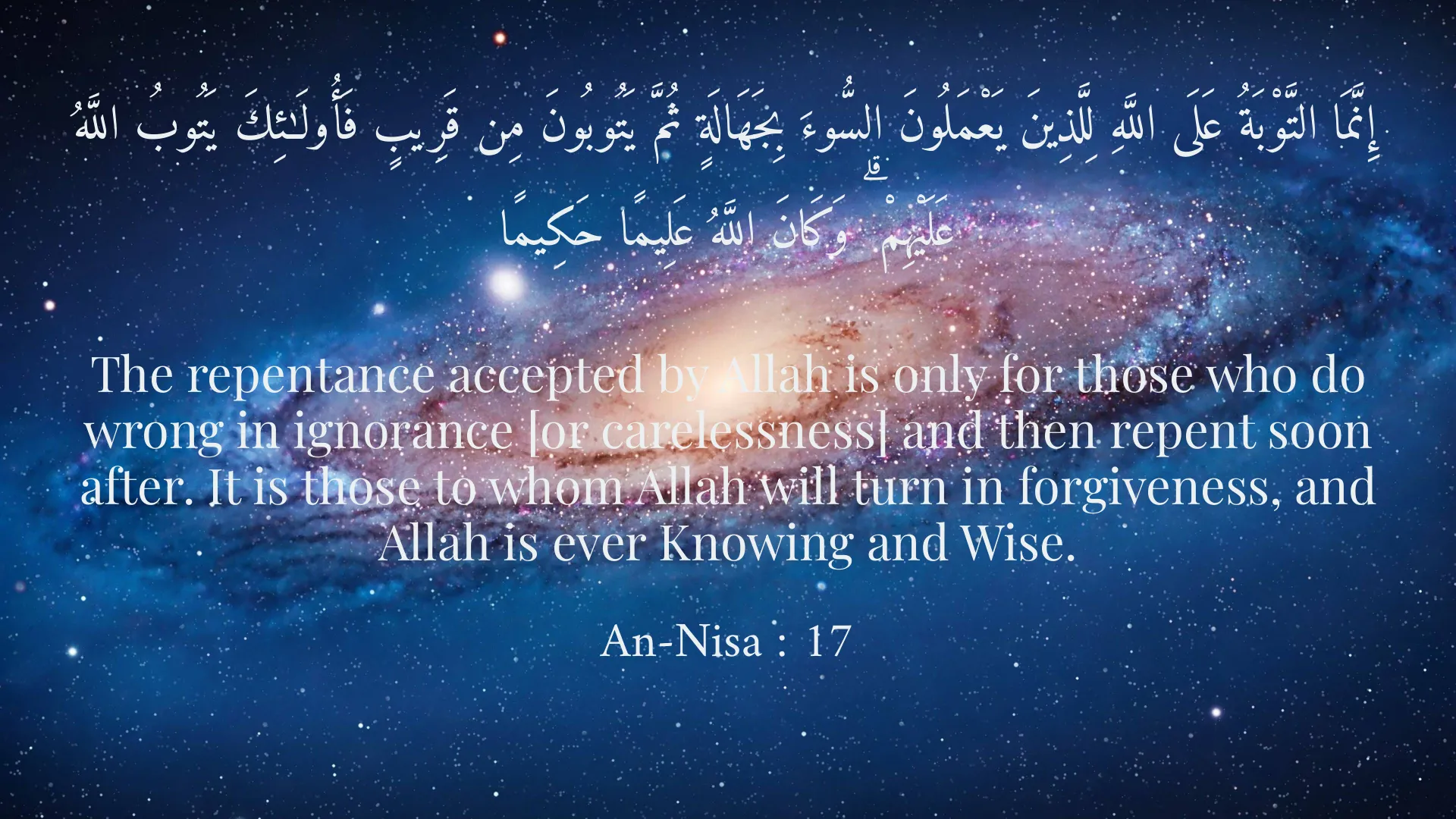
إِنَّمَا التَّوْبَةُ عَلَى اللَّهِ لِلَّذِينَ يَعْمَلُونَ السُّوءَ بِجَهَالَةٍ ثُمَّ يَتُوبُونَ مِن قَرِيبٍ فَأُولَٰئِكَ يَتُوبُ اللَّهُ عَلَيْهِمْ ۗ وَكَانَ اللَّهُ عَلِيمًا حَكِيمًا
The repentance accepted by Allah is only for those who do wrong in ignorance [or carelessness] and then repent soon after. It is those to whom Allah will turn in forgiveness, and Allah is ever Knowing and Wise.
An-Nisa : 17
قُلْ يَا عِبَادِيَ الَّذِينَ أَسْرَفُوا عَلَىٰ أَنفُسِهِمْ لَا تَقْنَطُوا مِن رَّحْمَةِ اللَّهِ ۚ إِنَّ اللَّهَ يَغْفِرُ الذُّنُوبَ جَمِيعًا ۚ إِنَّهُ هُوَ الْغَفُورُ الرَّحِيمُ
Say, 'O My servants who have transgressed against themselves [by sinning], do not despair of the mercy of Allah. Indeed, Allah forgives all sins. Indeed, it is He who is the Forgiving, the Merciful.'
Az-Zumar : 53
وَأَقِمِ الصَّلَاةَ طَرَفَيِ النَّهَارِ وَزُلَفًا مِّنَ اللَّيْلِ ۚ إِنَّ الْحَسَنَاتِ يُذْهِبْنَ السَّيِّئَاتِ ۚ ذَٰلِكَ ذِكْرَىٰ لِلذَّاكِرِينَ
And establish prayer at the two ends of the day and at the approach of the night. Indeed, good deeds do away with evil deeds. That is a reminder for those who remember.
Hud : 114
وَيَسْأَلُونَكَ عَنِ الْمَحِيضِ ۖ قُلْ هُوَ أَذًى ۖ فَاعْتَزِلُوا النِّسَاءَ فِي الْمَحِيضِ ۖ وَلَا تَقْرَبُوهُنَّ حَتَّىٰ يَطْهُرْنَ ۖ فَإِذَا تَطَهَّرْنَ فَأْتُوهُنَّ مِنْ حَيْثُ أَمَرَكُمُ اللَّهُ ۚ إِنَّ اللَّهَ يُحِبُّ التَّوَّابِينَ وَيُحِبُّ الْمُتَطَهِّرِينَ
And they ask you about menstruation. Say, "It is discomfort." So keep away from women during menstruation. And do not approach them until they have become pure. And when they have purified themselves, then come to them from where Allah has ordered you. Indeed, Allah loves those who repent and loves those who purify themselves.
Al-Baqarah : 222
Short Story
It is narrated that in ancient times, there was a merchant named Bahram, who in his business, would sometimes stray from the path of fairness and unjustly acquire a little of others' wealth. One night, he dreamt that the scale of his deeds heavily tilted towards sin, and a light receded from him. He awoke, his heart trembling with fear and regret. He pondered, "What path am I taking?" From that night on, Bahram vowed never to deviate from the straight path again and returned every piece of wealth he had unjustly taken to its owners, even if years had passed. Many years went by, and Bahram not only rectified all his past mistakes but became one of the most devout and benevolent people of his time. Whenever someone saw him, they would say, "This man seems to have passed through a furnace and become tempered steel." And Bahram himself would say, "The bitterness of that night's dream awakened me from the slumber of heedlessness and showed me the path to felicity. It is as if every sin, if accompanied by repentance and rectification, is not a pit but a step towards reaching the summit." And thus, he built a bridge from his sin to the pleasure of his Lord and the tranquility of his heart.