Quranic Answer
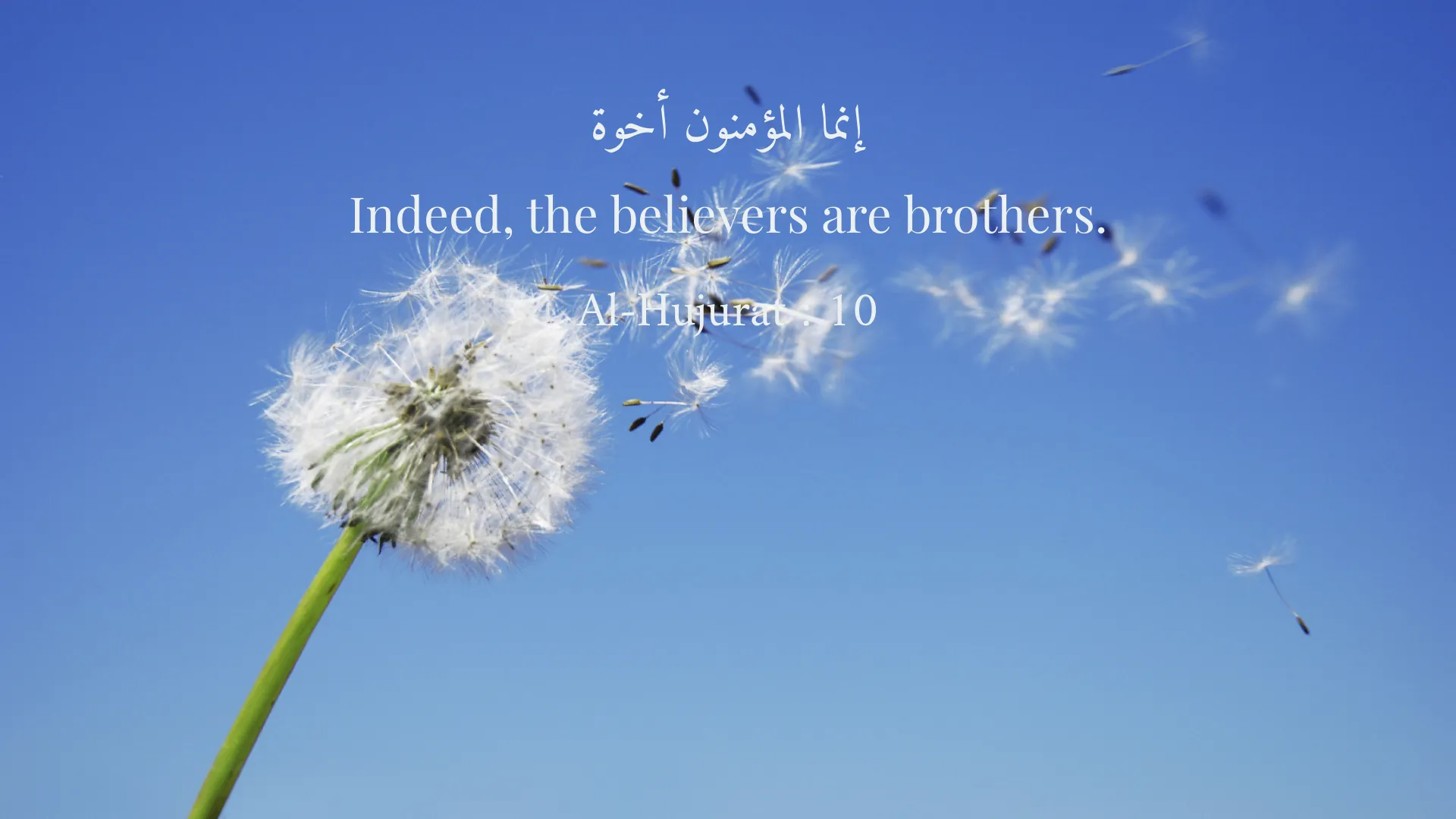
Establishing peace in society is one of the most important goals emphasized by all religions and moral teachings. The idea that peace should be at the forefront of our collective ambitions is not merely an idealistic concept; it is a necessity for the sustainability and advancement of humanity. Different cultures and belief systems underscore this ideal, yet the commonality lies in the emphasis on peace as a foundational pillar for coexistence. In Islam, peace is not just an absence of conflict; it is a fundamental state of being that fosters harmony, respect, and solidarity among individuals. For believers, achieving peace means embodying the principles of justice, tolerance, and compassion in all daily interactions. The significance of peace is heavily underscored in the Holy Quran, where it serves as a guiding principle for human behavior and societal structure. Various verses illuminate the importance of this crucial concept. For example, in Surah Al-Hujurat, verse 10 states: 'Indeed, the believers are brothers.' This powerful verse conveys a profound message about unity, which plays a vital role in the establishment of tranquility within communities. When believers recognize and embrace their kinship, regardless of differences in nationality or ethnicity, they create an environment conducive to love, kindness, and collaborative problem-solving. The essence of this brotherhood is found in the collective responsibility to foster peace through understanding and mutual support. The Quran also provides practical guidance on how to promote peace and manage conflicts, thereby emphasizing that human life is sacred. In Surah Al-Ma'idah, verse 32, it is stated: 'Whoever kills a soul unless for a soul or for corruption [done] in the land - it is as if he had slain mankind entirely.' This verse encapsulates the devastating consequences of violence and reveals how precious every human life is. It serves as a somber reminder that any act of harm inflicted upon an individual reverberates through society, affecting the larger community in unforeseen ways. This narrative urges individuals to respect one another's lives and rights and portrays the grave ramifications of disregarding these principles. Thus, this moral framework encourages believers to uphold the ideals of friendship and compassion rather than resorting to violence, which disrupts social stability and erodes communal bonds. In addition to preaching non-violence, the Quran emphasizes the importance of positive interactions, engaging in dialogue, and forming good relationships with others. These interactions should be founded on principles such as mutual respect, kindness, and forgiveness. In Surah Fussilat, believers are called upon to respond to adversity with patience and good conduct, even towards those who wrong them. This practice nurtures a peaceful environment wherein individuals can address their grievances without resorting to anger or hostility. It encourages communities to adopt a more empathetic approach, creating pathways toward reconciliation rather than division. Furthermore, Islamic teachings strongly stress kindness and good conduct towards others as paramount to fostering peace. The Prophet Muhammad (peace be upon him) advocated for the importance of maintaining good relations with peers, neighbors, and the broader community. He emphasized that small acts of kindness can have a monumental impact, fostering goodwill and understanding. Even in instances of conflict, the teachings of the Prophet encourage seeking resolution through dialogue and discussion instead of animosity. This methodology serves as a template for how society can navigate its differences and conflicts through constructive engagement. The influence of these teachings should encourage individuals to consider their actions and the importance of harmony within their communities. Achieving peace within a society, however, is not the responsibility of religious organizations alone; it is a collective duty that implicates all individuals. In any diverse setting, individuals must strive to put their ethical principles into practice in their everyday lives. This means proactively pursuing peace by acting in ways that reduce misunderstandings and disputes. One way to do this is by cultivating a culture of dialogue where individuals feel safe to express their views and listen to others. Such constructive communication has the potential to dissolve tensions and promote unity. Another important aspect is fostering empathy and understanding across diverse populations. Communities often consist of individuals with a multitude of experiences, beliefs, and backgrounds. Esteeming these differences and finding common ground can aid in the construction of a society that is respectful and cooperative. Programs that promote cultural exchange, community service, and interfaith dialogue can contribute significantly to fostering relationships that recognize the value of diversity while nurturing a spirit of togetherness. By witnessing the humanity in each other, prejudices can be dismantled, paving the way for a less conflict-ridden society. Moreover, education plays a key role in establishing peace in society. Educating young people about the importance of tolerance, respect for others, and the consequences of violence can shape their worldviews and equip them with the skills necessary to navigate conflict in a constructive manner. Seeking knowledge and understanding from various perspectives fosters critical thinking and compassion, as it allows individuals to understand the complexities of differing viewpoints. Encouraging a generation that is empathetic can result in a more harmonious society as they grow into responsible adults committed to the welfare of others. In conclusion, the quest for peace in society is a multi-faceted endeavor that requires collective participation. The teachings of the Quran offer timeless guidance that emphasizes the importance of unity, kindness, dialogue, and respect for human life. It urges believers to adopt ethical principles, engage in constructive discourse, and work collaboratively towards resolving differences. The goal is to cultivate an environment where peace prevails, allowing individuals to coexist harmoniously, and ultimately, contribute to a better world for all. We must take heed of these teachings and remain steadfast in our commitment to establish peace, fusing effort and intention to create a society where each person feels valued, safe, and respected.
Related Verses
إنما المؤمنون أخوة
Indeed, the believers are brothers.
Al-Hujurat : 10
من قاتل نفساً بغير نفسٍ أو فسادٍ في الأرض فكأنما قتل الناس جميعاً
Whoever kills a soul unless for a soul or for corruption [done] in the land - it is as if he had slain mankind entirely.
Al-Ma'idah : 32
Short Story
One day in a village, the people had become tense and unsettled due to small disagreements. A wise religious figure decided to hold a meeting to create peace. He recited verses from the Quran to the people and emphasized that disagreements can only be resolved when we view each other as brothers. This meeting made the people put aside their animosities and work towards reconciliation and cooperation. Eventually, the village transformed into a peaceful and safe place.