Quranic Answer
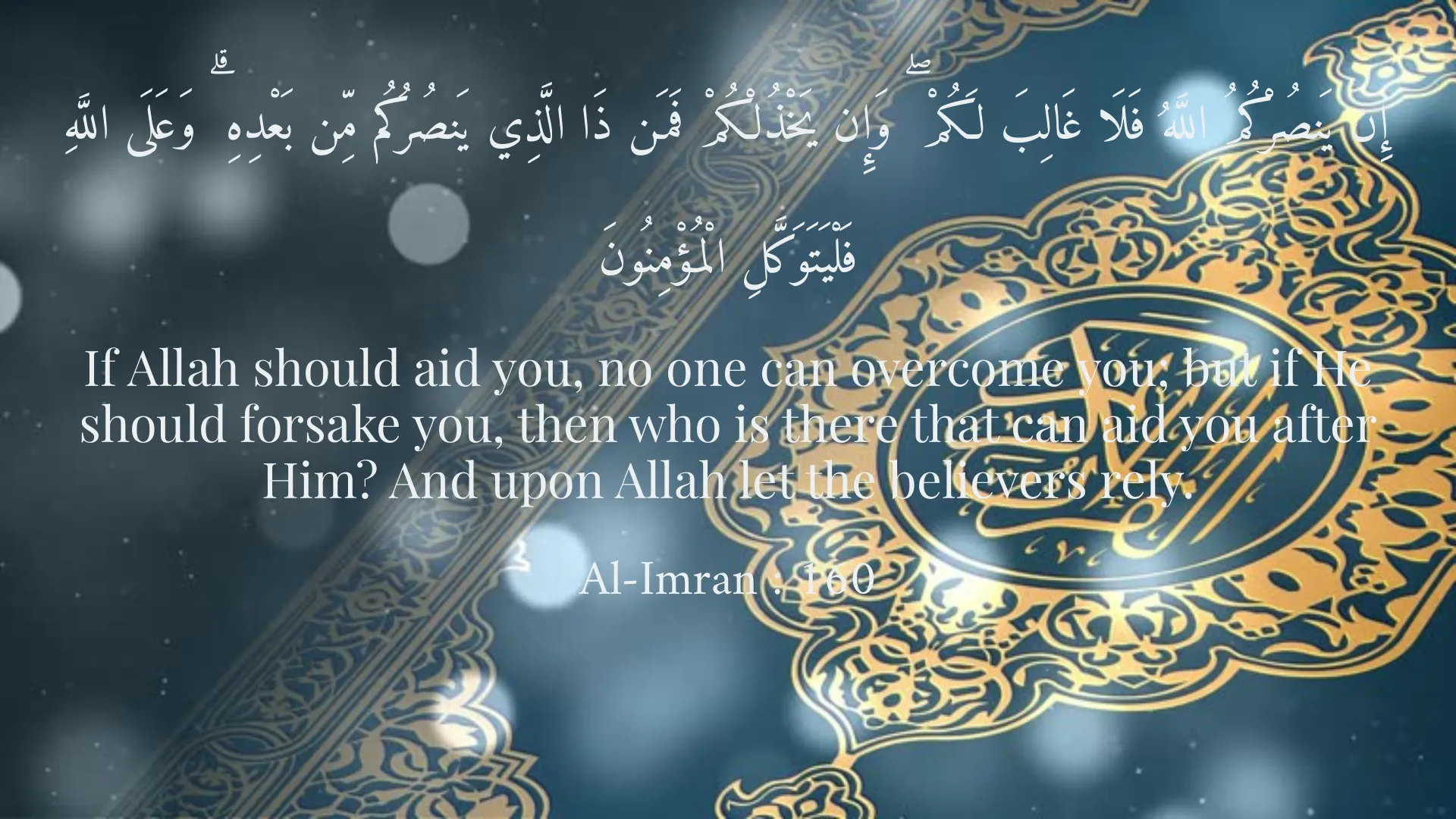
Social anxiety, a modern psychological challenge, though not explicitly mentioned by name in the Holy Quran, is extensively addressed through the Quran's profound and universal principles for achieving inner peace and fostering constructive social interactions. These teachings are designed not only to alleviate anxiety but also to pave the way for spiritual growth and self-confidence rooted in faith. The Quran guides us towards a balanced life where the fear of others' judgment is replaced by trust in God and profound tranquility of the heart. One of the most central Quranic concepts for coping with social anxiety is the principle of 'Tawakkul' (trust in God). Social anxiety often stems from an intense preoccupation with being judged, ridiculed, or disapproved of by others. When an individual shifts their focus from seeking human approval to seeking the approval of Allah Almighty, a tremendous burden is lifted from their shoulders. The Quran states in Surah Al-Imran, verse 160: "If Allah should aid you, no one can overcome you; but if He should forsake you, then who is there that can aid you after Him? And upon Allah let the believers rely." This verse assures believers that ultimate power rests with God, and if they have His support, the judgment or opposition of others cannot truly harm them. Tawakkul implies entrusting one's affairs to God after exerting all necessary effort; this provides a sense of security and freedom from the overwhelming burden of controlling everything, which is a significant factor in reducing anxiety. Furthermore, the Quran emphasizes the importance of 'Dhikr' (remembrance of Allah) and 'Salat' (prayer) as primary sources of peace. In Surah Ar-Ra'd, verse 28, we read: "Those who have believed and whose hearts are assured by the remembrance of Allah. Unquestionably, by the remembrance of Allah hearts are assured." Dhikr, whether through reciting the Quran, glorifying and praising God, or simply reflecting on His greatness, is a powerful tool for returning to a state of inner calm. Prayer, as the pillar of faith, offers an opportunity for direct and unmediated communication with the Creator. This profound connection reduces feelings of loneliness and isolation, assuring the individual that they are constantly attended to and supported by the Divine, irrespective of human opinions. Seeking help through patience and prayer, as mentioned in Surah Al-Baqarah, verse 153, is a key strategy for confronting mental distress and uneasiness. Moreover, the Quran speaks to the concept of 'self-worth' rooted in piety. A person's value in the Quranic perspective is not determined by social popularity, wealth, or power, but by their level of piety and closeness to God. Surah Al-Hujurat, verse 13, states: "O mankind, indeed We have created you from male and female and made you peoples and tribes that you may know one another. Indeed, the most noble of you in the sight of Allah is the most righteous of you. Indeed, Allah is Knowing and Acquainted." This insight diminishes the psychological pressure arising from trying to please others and helps individuals focus on their character and moral development, rather than on what others might think of them. This belief instills confidence that one's true worth is with God, liberating them from dependence on external validation. Additionally, the Quran emphasizes the importance of 'healthy and constructive relationships' within the Muslim community. It refers to believers as brothers and sisters and advises against mockery, suspicion, and backbiting (Surah Al-Hujurat, verses 10-12). When an individual lives in a society built on mutual respect, compassion, and non-judgment, their social anxiety naturally decreases. Although not all societies possess these characteristics, individuals can create a safer space for themselves by choosing friends and associating with people who adhere to these principles. The Quran also stresses humility and avoidance of arrogance, which can help reduce one's sensitivity to others' opinions and free them from the desire for self-display, which sometimes leads to anxiety. Finally, the Quran advises 'patience' (Sabr) and 'steadfastness' (Istiqamah). Dealing with social anxiety is a gradual process that requires courage and persistence. Quranic verses teach believers to persevere through difficulties and not to despair of Allah's mercy. This persistence and hope provide the necessary energy to take steps towards healing. By considering these Quranic principles – Tawakkul, Dhikr, Salat, self-worth based on piety, healthy relationships, and patience – one can not only cope with social anxiety but also achieve a richer spiritual life filled with greater peace. This approach offers a comprehensive cure that addresses the roots of anxiety, replacing them with confidence and trust in the infinite power of the Divine.
Related Verses
إِن يَنصُرْكُمُ اللَّهُ فَلَا غَالِبَ لَكُمْ ۖ وَإِن يَخْذُلْكُمْ فَمَن ذَا الَّذِي يَنصُرُكُم مِّن بَعْدِهِ ۗ وَعَلَى اللَّهِ فَلْيَتَوَكَّلِ الْمُؤْمِنُونَ
If Allah should aid you, no one can overcome you; but if He should forsake you, then who is there that can aid you after Him? And upon Allah let the believers rely.
Al-Imran : 160
الَّذِينَ آمَنُوا وَتَطْمَئِنُّ قُلُوبُهُم بِذِكْرِ اللَّهِ ۗ أَلَا بِذِكْرِ اللَّهِ تَطْمَئِنُّ الْقُلُوبُ
Those who have believed and whose hearts are assured by the remembrance of Allah. Unquestionably, by the remembrance of Allah hearts are assured.
Ar-Ra'd : 28
يَا أَيُّهَا النَّاسُ إِنَّا خَلَقْنَاكُم مِّن ذَكَرٍ وَأُنثَىٰ وَجَعَلْنَاكُمْ شُعُوبًا وَقَبَائِلَ لِتَعَارَفُوا ۚ إِنَّ أَكْرَمَكُمْ عِندَ اللَّهِ أَتْقَاكُمْ ۚ إِنَّ اللَّهَ عَلِيمٌ خَبِيرٌ
O mankind, indeed We have created you from male and female and made you peoples and tribes that you may know one another. Indeed, the most noble of you in the sight of Allah is the most righteous of you. Indeed, Allah is Knowing and Acquainted.
Al-Hujurat : 13
Short Story
One day, in the beautiful garden (Bustan), there was a young man who was deeply afraid of interacting with others, constantly worried that he might be criticized or judged by people. He would sit in a corner, avoiding gatherings. A compassionate sage noticed him and asked: "O young man, why do you isolate yourself so?" The youth, blushing, replied: "O wise one, I fear how people see me, and I dread their criticism." The sage smiled and said: "My friend, if your heart is solely occupied with the pleasure of your Lord, then what harm can the judgment of people do? Those who praise you today might criticize you tomorrow, and those who criticize you today might one day admire you. Steadfastness belongs to God, and hearts find peace in His remembrance. Always remember that your true worth is in the eyes of your Creator, not in the fleeting gaze of creation. From that day on, the young man devoted his heart to God, and gradually his fear vanished, for he learned that only the pleasure of the Lord is lasting and enduring, and this brought peace to his soul, allowing him to participate freely in gatherings.