Quranic Answer
Achieving inner peace is a significant and valuable goal for many individuals. In our fast-paced world, filled with chaos, stress, and distractions, the pursuit of inner peace is more relevant than ever. It is a journey that requires self-reflection, mindfulness, and a deeper understanding of our spiritual beliefs. For many, the teachings of the Holy Quran serve as a beacon of hope and guidance on this path to tranquility. Multiple verses throughout the Quran provide profound wisdom on how to attain this coveted state, and they emphasize the importance of piety, righteousness, gratitude, and remembrance of God. One significant methodology presented in the Quran for achieving inner peace is living a life of piety and righteousness. This concept is prominently featured in Surah Al-Baqarah, verse 2: 'This is the Book about which there is no doubt, a guidance for those conscious of God.' This verse establishes that clarity and tranquility can arise from adhering to God's commands. When we live with an acute awareness of our responsibilities towards our Creator, we develop a sense of purpose that inherently brings peace to our hearts. In practicing piety—through prayer, charity, and ethical living—we create an environment conducive to inner calm. Furthermore, the Quran promises that a righteous life will lead to divine assistance. Surah At-Talaq, verses 2 and 3, convey this powerful message: 'And whoever fears Allah – He will make for him a way out. And will provide for him from where he does not expect.' This verse illustrates the rewarding nature of piety. When individuals align themselves with God’s will, they open themselves to experiencing His mercy and providence. This assurance can alleviate anxiety and foster a sense of security, ultimately leading to greater emotional well-being and inner peace. If one is facing challenges, the reminder that their righteous actions can lead to divine support can soothe a troubled mind. Another verse that uplifts the spirit is found in Surah Ar-Rahman, verse 13: 'So which of the favors of your Lord would you deny?' This rhetorical question compels individuals to reflect on the countless blessings they receive in their lives. Often, people become preoccupied with their daily struggles and lose sight of the goodness surrounding them. Cultivating gratitude is a powerful antidote to negativity, as it shifts focus from what is lacking to what is abundantly available. Practicing gratitude is a pathway to inner peace that allows individuals to appreciate the beauty in their lives. By fostering an attitude of thankfulness, one can reduce stress and enhance emotional resilience, further promoting a peaceful state of mind. Moreover, remembrance of Allah plays a crucial role in attaining inner tranquility. Surah Ar-Ra'd, verse 28 reminds us: 'Unquestionably, by the remembrance of Allah hearts are assured.' This powerful reminder emphasizes the importance of connecting with our Creator through regular prayer and contemplation. In moments of distress, turning to Allah and engaging in remembrance can bring about a profound sense of comfort and relief. The act of focusing our thoughts and hearts on God can help alleviate the burdens of daily life, allowing us to reclaim our sense of peace and purpose. In the hustle and bustle of modern living, many individuals may overlook the significance of dedicating time for spiritual practices and self-reflection. However, nurturing a relationship with spirituality is essential for fostering inner peace. Scheduled prayer times, meditation, and reading the Quran can provide structured opportunities for individuals to center themselves amidst life's challenges. These moments of connection with the Divine serve as reminders of the greater purpose of our existence, providing a gentle nudge toward tranquility and serenity. Incorporating these teachings into daily life requires intention and practice. Here are several actionable strategies for individuals seeking to cultivate inner peace through Quranic principles: First, set aside time each day for prayer and reflection. Establishing a routine allows a spiritual connection to flourish. This can be done through the five daily obligatory prayers or through additional supplications and Quranic recitation. Second, practice gratitude by maintaining a gratitude journal. Each day, note down blessings—no matter how small—they can bring an awareness of the positive aspects of life. Third, immerse oneself in the study of the Quran, learning about its teachings and how they apply to everyday situations. This foundational knowledge can reinforce the principles of piety and righteousness as one seeks to live in accordance with God's will. Lastly, engage in community service or acts of kindness, which embody the principles of righteousness and allow individuals to embody the values that lead to peace. In conclusion, achieving inner peace is a profound and fulfilling goal, accessible through the teachings of the Holy Quran. Through piety, righteousness, gratitude, and remembrance of Allah, individuals can navigate the tumult of life with a calm heart and spirit. This journey is both personal and communal, as it encourages individuals to connect with themselves, their Creator, and others. By committing to these methodologies, we can foster a culture of peace within ourselves and ripple that tranquility into the world around us. The search for inner peace, as illuminated by the Quran, reminds us that amidst life's tribulations, a state of serenity is not only possible but promised for those who seek it earnestly.
Related Verses
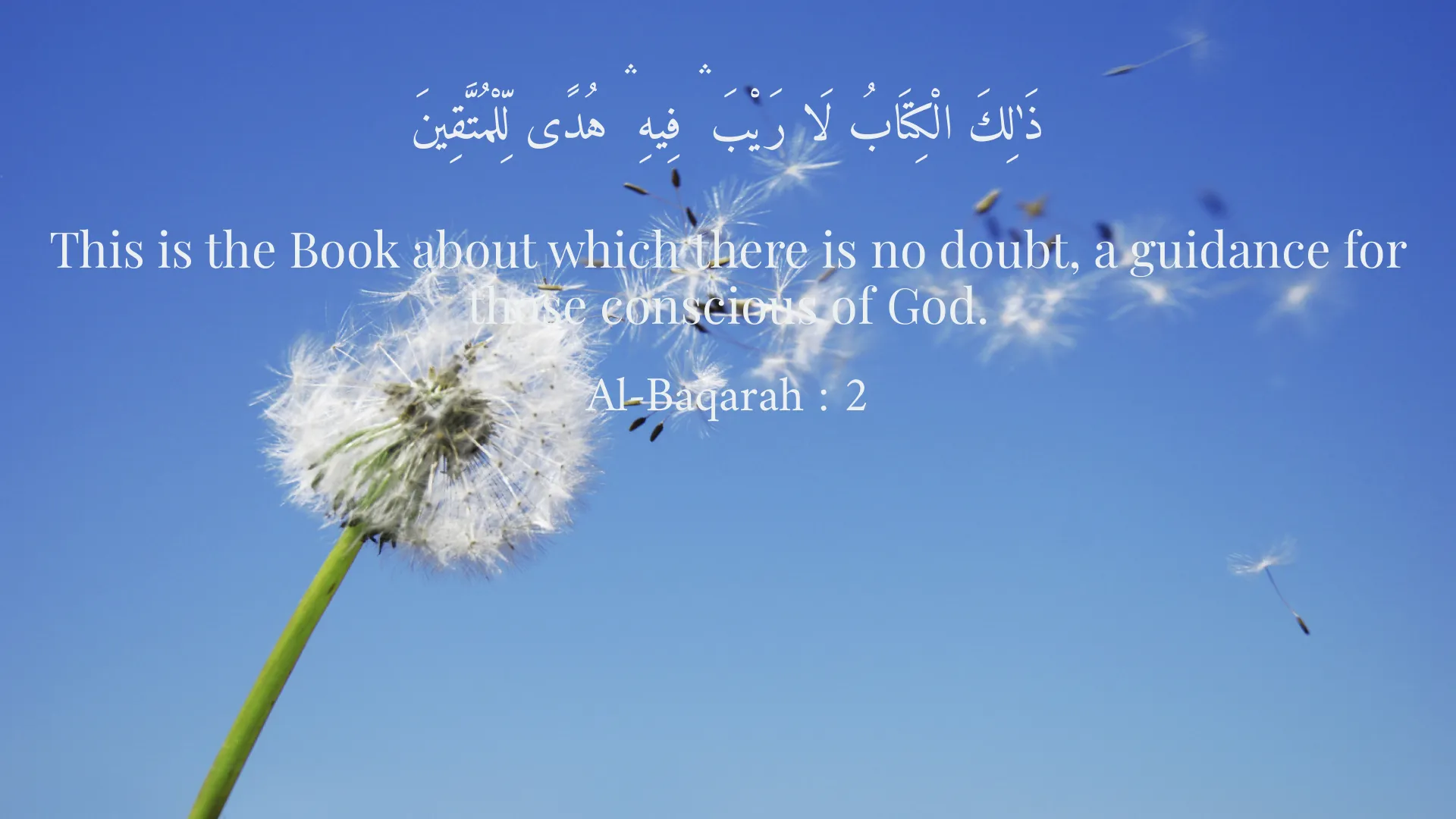
ذَٰلِكَ الْكِتَابُ لَا رَيْبَ ۛ فِيهِ ۛ هُدًى لِّلْمُتَّقِينَ
This is the Book about which there is no doubt, a guidance for those conscious of God.
Al-Baqarah : 2
وَمَن يَتَّقِ اللَّهَ يَجْعَل لَّهُ مَخْرَجًا
And whoever fears Allah - He will make for him a way out.
At-Talaq : 3
أَلا بِذِكْرِ اللَّهِ تَطْمَئِنُّ الْقُلُوبُ
Unquestionably, by the remembrance of Allah hearts are assured.
Ar-Ra'd : 28
Short Story
One day, a person seeking his inner peace went to a beautiful garden. In the garden, flowers and trees of various colors and pleasant scents were present. He realized that there were numerous blessings and gifts from Allah in his life, but he always focused on the negative details. After this observation, he decided to converse with God in his heart and be grateful for everything. Soon, his mental state improved, and he enjoyed life more.