Quranic Answer
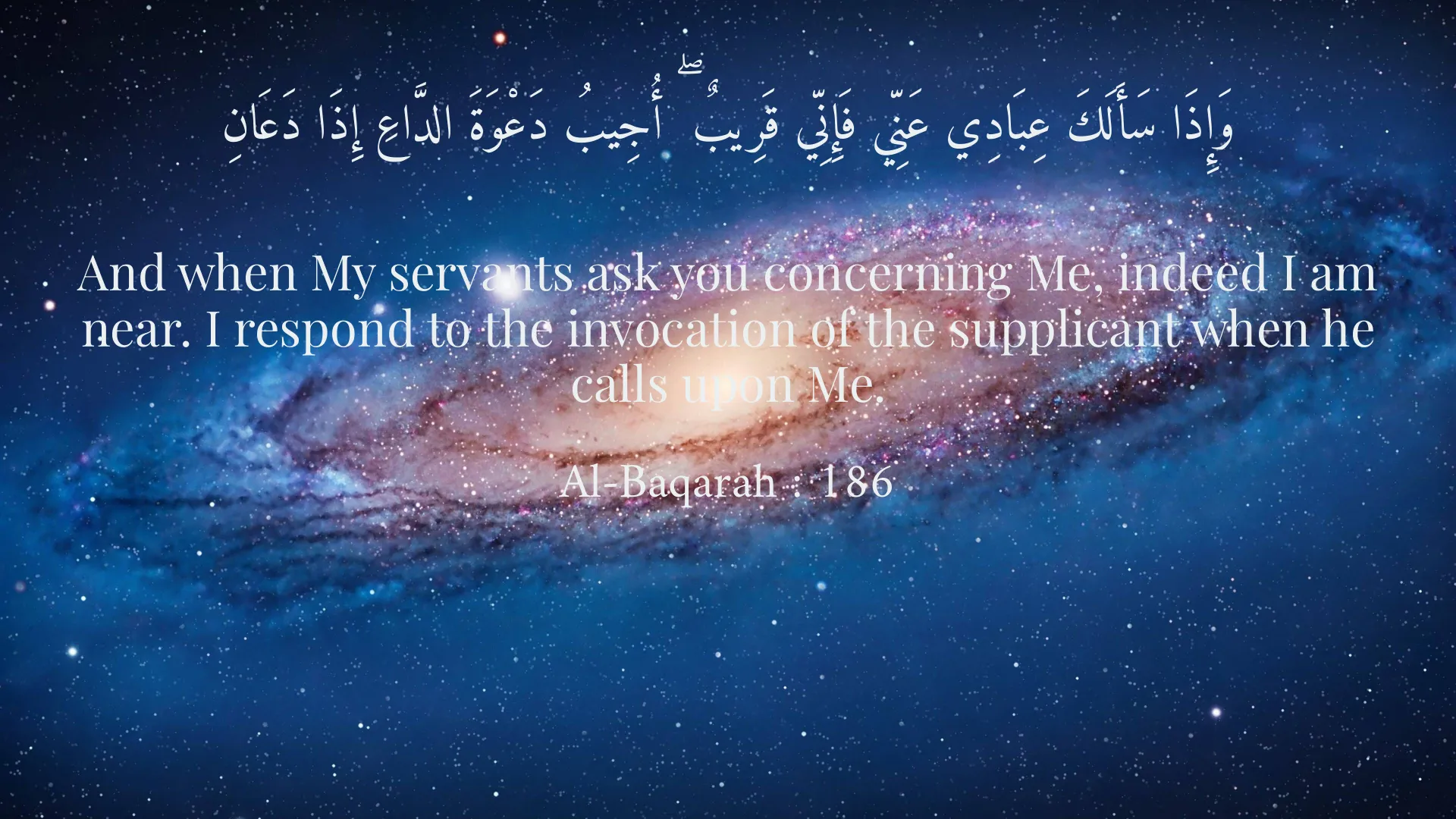
In Islam, prayer occupies a pivotal role and is deeply revered as a vital means of connecting with the Divine, nurturing the spiritual bonds between the believer and Allah. This sacred practice is not just a ritual, but a profound expression of love, dependence, and a recognition of the human condition in relation to the Creator. The Holy Quran, a guiding scripture for over a billion Muslims around the world, emphasizes prayer as a fundamental act of worship and devotion. It is conveyed through various verses that highlight its significance, benefits, and transformative power. One of the most compelling verses that address this subject can be found in Surah Al-Baqarah, verse 186: 'And when My servants ask you concerning Me, indeed I am near. I respond to the invocation of the supplicant when he calls upon Me.' This empowering verse encapsulates the essence of prayer, illustrating that prayer is not merely a rite, but a unique opportunity to connect with Allah. It serves as a reminder that God is always much closer to His servants than they may realize. There exists an intimate relationship where prayer facilitates a dialogue with the Creator, allowing believers to express their innermost thoughts, concerns, and desires. Moreover, the act of supplication—asking God for guidance, strength, protection, or whatever the heart deeply seeks—reveals a beautiful aspect of faith. It shows that in times of distress, confusion, or even joy, individuals can lean on their faith to obtain solace. The act of entrusting worries and anxieties to God is profoundly healing. Life, with its myriad challenges, can generate stress and unease, but through prayer, believers can experience peace. This process of opening one’s heart to God alleviates the pressures of the earthly realm, allowing for the blossoming of hope and tranquility. In a world where chaos and uncertainty often overshadow our existence, prayer offers a refuge; it encourages believers to pause, reflect, and refocus their thoughts on what truly matters—maintaining a connection with their Creator. Additionally, in Surah Al-Mu’minun, verse 60, the Quran states: 'And those who have hope in their Lord.' This verse emphasizes the importance of hope and persistence in prayer. Sustaining hope is integral to the human experience, as it fuels resilience and drives one to seek further connection with Allah. The continuous act of praying not only nurtures hope but also cultivates spiritual tranquility and mental well-being. Research has shown that individuals who possess a strong spiritual practice, such as frequent prayer, often display higher levels of emotional resilience. The act of prayer enables believers to navigate life's storms, grounded by their faith and fortified by their relationship with God. The communal aspect of prayer is also crucial within Islam. The practice of congregational prayers, especially during Fridays (Jumu'ah) and the five daily prayers in a mosque, allows individuals to come together in faith. This shared experience fosters a sense of community, belonging, and collective empathy. Being part of a congregation means sharing emotions, joys, and sorrows with fellow believers. Such communal activities can amplify the feelings of closeness and compassion among individuals. It highlights the essence of community in Islamic teachings, emphasizing that believers are not alone in their struggles and triumphs. Furthermore, prayer can serve as an anchor during difficult periods. The consistent engagement with prayer encourages individuals to reflect on their circumstances, seeking understanding and peace amidst turmoil. The repeated setting aside of time for prayer helps to compartmentalize life's stressors, creating moments of quietude and connection. This rhythmic practice of prayer can lead to an inner transformation, driving individuals toward a path of self-discovery and deeper faith. Moreover, beyond the personal benefits and spirituality associated with individual prayer, it fosters a direct link to communal responsibility. For instance, praying for others, whether by name or general supplication, establishes a foundation of generosity and kindness within the community. As believers invoke blessings for their neighbors, family, and friends, they cultivate an environment of love, support, and mutual respect. In considering the overall impact of prayer within Islam, it becomes evident that it is an essential element that transcends mere obligation; it is a channel through which believers can experience profound spiritual and emotional development. Prayer nurtures the soul, strengthens the spirit, and cultivates resilience, leading to a fulfilling and balanced life. The realization that Allah is always near encourages a sense of accountability and mindfulness in daily actions. To conclude, establishing a continuous spiritual connection through prayer is paramount for attaining inner peace and fortifying faith. It is a dynamic interaction, a blend of vulnerability and strength. The significance of prayer in Islam cannot be overstated, as it serves not only as a means to seek divine assistance but also fosters love, hope, and community among believers. The essence of prayer resonates deeply within the hearts of those who practice it, illuminating their souls with tranquility and reinforcing their purpose in life in alignment with divine will.
Related Verses
وَإِذَا سَأَلَكَ عِبَادِي عَنِّي فَإِنِّي قَرِيبٌ ۖ أُجِيبُ دَعْوَةَ الدَّاعِ إِذَا دَعَانِ
And when My servants ask you concerning Me, indeed I am near. I respond to the invocation of the supplicant when he calls upon Me.
Al-Baqarah : 186
وَالَّذِينَ يَرْجُونَ رَبَّهُمْ
And those who have hope in their Lord.
Al-Mu’minun : 60
Short Story
One day, a man named Ali was struggling with many problems and was searching for peace. He decided to dedicate an hour each day to pray and converse with God. After some time, he felt that all of his worries had diminished and he had found inner peace. He would say, 'My prayers are not just requests; they are sharing my heart with God, and that itself brings peace.'