Quranic Answer
Title: Inner Satisfaction: The Pathway to Tranquility through Faith and Righteous Deeds Introduction Inner satisfaction is a profound state of peace and contentment that many people strive to achieve in their lives. In a world filled with distractions, stress, and uncertainty, finding this inner peace often seems elusive. However, according to Islamic teachings, one of the most effective ways to attain inner satisfaction is by aligning one’s life with true faith in Allah and engaging in righteous deeds. The Holy Quran, considered the ultimate guidance for Muslims, lays down the principles that can lead an individual to tranquility of the heart and soul. This article seeks to explore the significance of faith, remembrance of Allah, and good actions in achieving inner satisfaction. The Essence of Faith in Allah Faith, or iman, is the cornerstone of a Muslim's life. It encompasses belief in the unseen, submission to Allah’s will, and adherence to His commandments. A strong faith fosters a sense of security and purpose; it reminds individuals that they are not alone in their struggles, as Allah is always present. In Surah Ar-Ra'd, verse 28, Allah states: "Indeed, by the remembrance of Allah, hearts find tranquility." This verse beautifully encapsulates the relationship between faith and inner peace. The act of remembering Allah—through prayers, meditation, and reflection—serves to settle the heart, relieving anxieties and worries. The Importance of Remembrance (Dhikr) Remembrance of Allah, known as Dhikr, is an essential practice for Muslims. It involves reciting the names of Allah, engaging in supplication (dua), and reflecting on His attributes. Regular Dhikr helps cultivate a spiritual connection that allows individuals to bask in the mercy and love of Allah. This spiritual practice is not merely a ritual but a necessary supplement to one’s faith. It has the power to transform a weary heart into one that is filled with hope and tranquility. Moreover, it serves as a reminder of life’s greater purpose, steering the believer away from petty concerns and fleeting worldly matters. The Role of Prayer Prayer (Salah) is another fundamental practice that enhances one's faith and inner satisfaction. It is a direct line of communication between the believer and Allah, providing an opportunity to express gratitude, seek forgiveness, and request help. According to Islamic teachings, Salah instills discipline and structure in a believer's life, creating pockets of serenity amidst the chaotic pace of daily life. Further, in Surah Al-Fath, verse 4, it is cited: "He it is Who sent down tranquility into the hearts of the believers." This verse emphasizes that true peace comes from Allah and highlights the importance of prayer in nurturing that deep connection. Regular prayers help to reinforce faith, clarify one's thoughts, and foster a deeper understanding of one’s purpose in life. Good Deeds as Pathways to Peace In Islam, righteous deeds—actions performed in accordance with the teachings of the Quran and Hadith—are crucial for spiritual growth and inner satisfaction. These deeds stem from a sincere intention and can range from acts of kindness and charity to fulfilling one’s responsibilities towards family, friends, and community. Engaging in good deeds serves not only to deepen one’s relationship with Allah but also enriches the lives of others and fosters a sense of belonging and community. When individuals engage in acts of goodness, they cultivate compassion and empathy within themselves. This leads to personal fulfillment and a sense of purpose, alleviating feelings of discontent. The positive impact of helping others is mutually beneficial; as individuals perform good deeds, they experience a natural high that comes from seeing the joy they bring to others, thereby reinforcing their own inner satisfaction. Self-Reflection and Inner Peace Achieving inner satisfaction is not merely about external practices but also about introspection and self-awareness. Individuals must take the time to look inward, examining their thoughts, actions, and emotions. This self-reflection enables believers to identify attachments to worldly matters that often distract and detract from their spiritual journey. By acknowledging these distractions, individuals can work to diminish their significance in their lives, allowing for a deeper connection with Allah and a more profound sense of peace. A critical component in this process is remaining faithful to oneself. This entails recognizing one’s strengths and weaknesses and striving for self-improvement. In a culture that often emphasizes material success and external validation, maintaining an honest relationship with oneself can be challenging. However, being unfaithful to one's true self can lead to dissatisfaction and a sense of emptiness. By embracing one’s authentic self and committing to righteous deeds, individuals can navigate their path to inner peace with more clarity and confidence. Conclusion In conclusion, attaining inner satisfaction is an ongoing journey that requires alignment of one's life with true faith in Allah and the consistent practice of righteous deeds. The Quran clearly articulates that a close connection with Allah is indispensable for achieving tranquility. Through remembrance and prayer, individuals strengthen their faith, enabling them to cultivate a spirit of contentment in their hearts. Complementing these practices with good deeds furthers the development of compassion and community, enriching lives and fostering fulfillment. Finally, taking time for self-reflection and recognizing one’s true self are essential steps on the road to inner satisfaction. As believers draw nearer to Allah, they find solace, guidance, and ultimate inner peace, making their spiritual journey a profound source of joy and meaning.
Related Verses
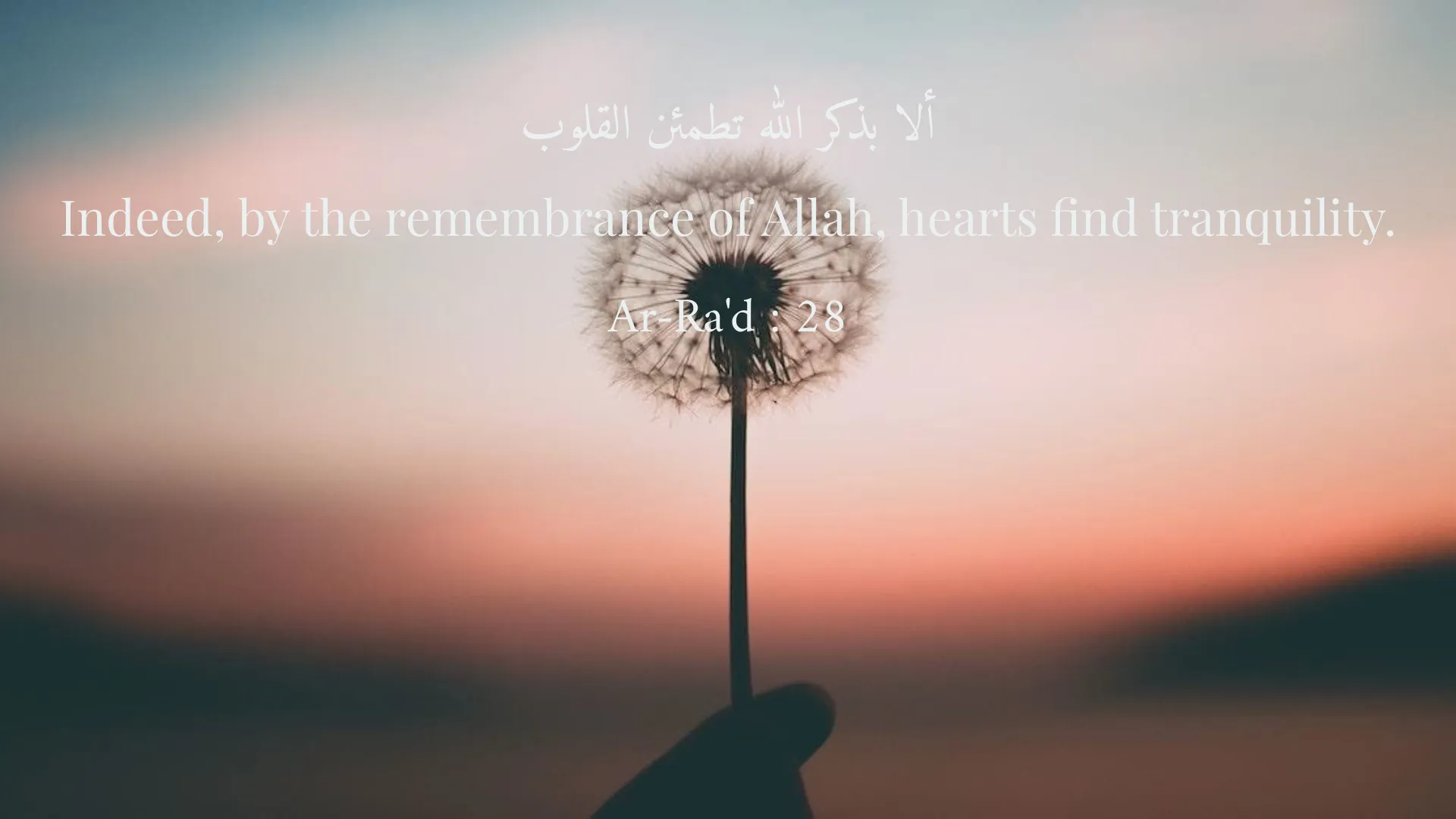
ألا بذكر الله تطمئن القلوب
Indeed, by the remembrance of Allah, hearts find tranquility.
Ar-Ra'd : 28
هو الذي أنزل السكينة في قلوب المؤمنين
He it is Who sent down tranquility into the hearts of the believers.
Al-Fath : 4
Short Story
Once upon a time, a young man named Sohrab was in search of peace and satisfaction in his heart. He looked into his life and realized that he had spent most of his time on material affairs and had forgotten about God. Remembering the verses of the Quran, he decided to start his day with prayer and supplication. After some time, Sohrab noticed that his life had changed and his spirit was uplifted. By finding peace in his heart, he was able to experience true satisfaction.