Quranic Answer
The Quran, the holy book of Islam, is not merely a religious text; it is a guide for living a life that is in harmony with the divine will. It is filled with wisdom, insights, and guidance on various aspects of human life. One of the significant themes throughout the Quran is the concept of avoiding the deception and traps set by Satan. The Quran provides several verses that serve as reminders to believers about the importance of vigilance, self-discipline, and a firm connection with God in safeguarding against Satan's whispers and temptations. In this article, we will explore these insights from the Quran, focusing specifically on how to avoid the deception of Satan through the teachings found in various verses. The first key insight can be found in Surah Al-Baqarah, verse 168, which states, 'O mankind! Eat from that which is lawful and good on the earth, and do not follow the footsteps of Satan. Indeed, he is to you a manifest enemy.' This verse serves as a critical reminder that the choices we make in our lives are significant in shaping our spiritual journey. The guidance here emphasizes the importance of consuming what is lawful and good—this can be interpreted not only in the context of physical food but also in terms of our thoughts, actions, and interactions with others. By making conscious choices that align with goodness and righteousness, we fortify ourselves against Satan's attempts to lead us astray. Satan's role as an enemy of humanity is a recurring theme in the Quran. He seeks to exploit our weaknesses and draw us away from the path of righteousness. The phrase 'follow the footsteps of Satan' warns believers to remain vigilant and discern the subtle influences that may lead them towards sin and wrongdoing. The text acknowledges that the struggle against Satan is a constant one and requires a proactive approach. Therefore, engaging in practices that enhance our spirituality—such as prayer, reflection, and the reading of the Quran—becomes fundamental in resisting these influences. Another profound insight is present in Surah Al-Imran, verse 155, which states, 'And those who were struck by disaster in the day of trial, surely their souls suffer turmoil and Satan tempts them.' This verse sheds light on the nature of trials and tribulations faced by individuals. It recognizes that during challenging times, the turmoil one experiences can create vulnerabilities that Satan is eager to exploit. In moments of strife, when individuals feel weak or lost, Satan may whisper doubts, incite despair, and tempt individuals towards unwise decisions. This is where the importance of maintaining a connection with God becomes paramount. The Quran encourages believers to seek guidance through prayer and remembrance of Allah, especially during difficult times. By strengthening one's faith and turning to God, individuals can find solace and support to navigate their troubles. The act of remembering Allah serves not just as a comfort but also as a means to reinforce one's defenses against the deceitful strategies employed by Satan. In times of trial, it is imperative to cultivate an unwavering faith in divine wisdom and the belief that challenges may be opportunities for growth and development. In Surah Al-Fajr, verse 9, Allah says, 'And O you who are at peace, return to your Lord.' This beautiful call highlights the significance of turning one's attention back to God as a remedy for inner turmoil and distress. It serves as a powerful reminder that peace and tranquility can be found in reconnecting with the divine source. When individuals redirect their focus towards God, they are better equipped to fight against the allure of sin and distraction. The verse addresses not only the state of being at peace but also the idea of returning. It implies that regardless of how far one may stray, the pathway back to God is always open. Engaging in acts of worship, such as prayer and regular reading of the Quran, reinforces this connection with God and cultivates an inner strength to resist temptation. Strengthening one's faith through education and practice can lead to an increased awareness of divine presence and guidance in all aspects of life. This personal cultivation of spirituality creates a shield against the deceptions that Satan may present. Furthermore, acts of kindness, compassion, and community support are vital elements in maintaining spiritual health. The Quran consistently emphasizes the importance of contributing positively to society and uplifting one another, as this collective effort can enhance the strength and resilience of all individuals involved. By fostering an environment centered on goodness, believers can create a supportive network that helps everyone stay grounded in their faith, thereby collectively dismantling the influence of Satan. In conclusion, the Quran offers invaluable insights into how to navigate the challenges of life while staying clear of Satan's deception. Through the teachings in Surah Al-Baqarah, Surah Al-Imran, and Surah Al-Fajr, it is evident that individuals are called to make conscious choices towards goodness, maintain a steady connection with Allah, and seek support within their communities. In doing so, believers can arm themselves with the spiritual tools necessary to overcome trials, protect their souls from turmoil, and ultimately stay on the righteous path. The Holy Quran invites us to be proactive in our spiritual practices, reminding us that the journey towards righteousness requires effort, vigilance, and above all, a steadfast commitment to returning to our Lord.
Related Verses
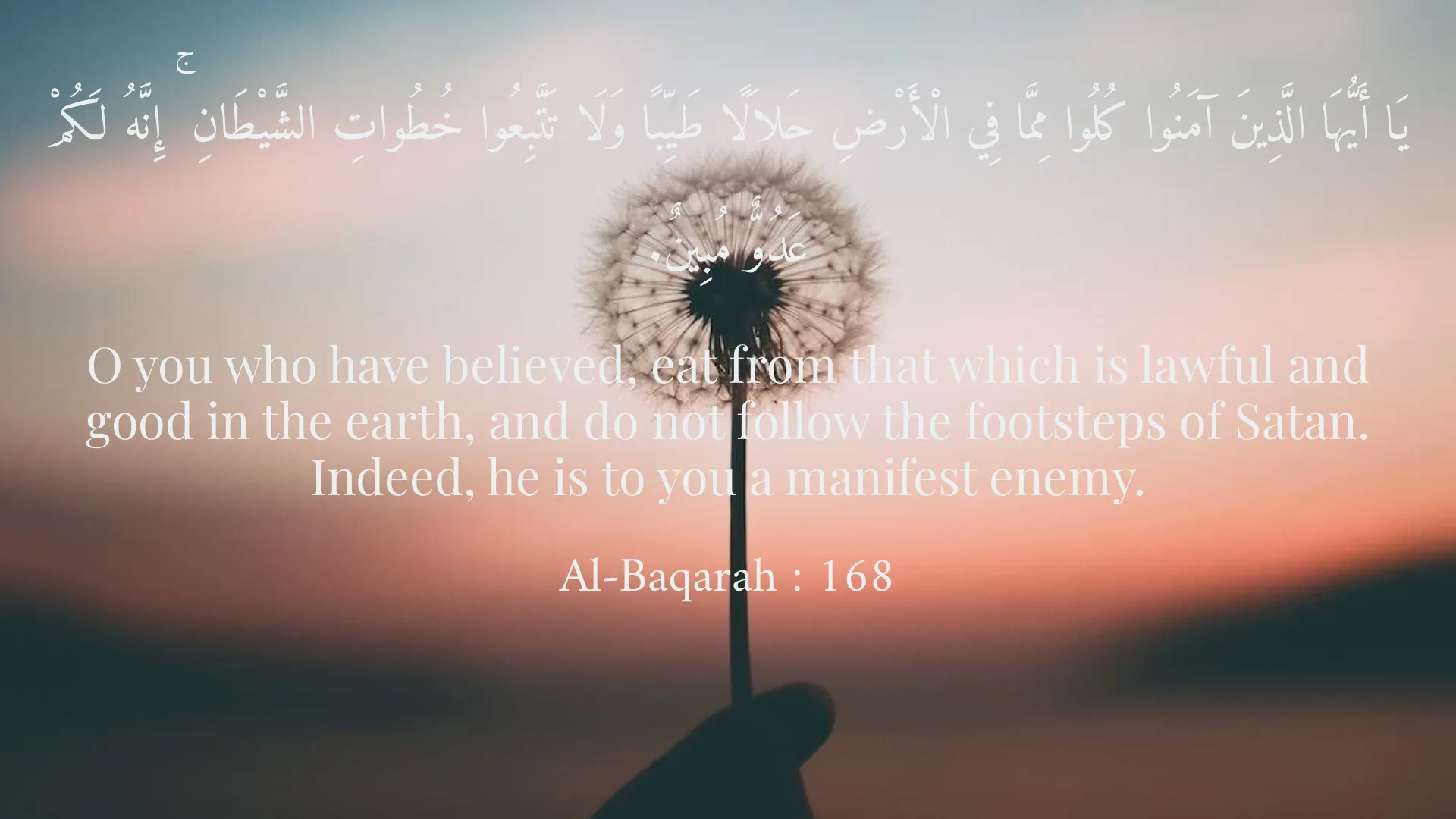
يَا أَيُّهَا الَّذِينَ آمَنُوا كُلُوا مِمَّا فِي الْأَرْضِ حَلاَلًا طَيِّبًا وَلَا تَتَّبِعُوا خُطُواتِ الشَّيْطَانِ ۚ إِنَّهُ لَكُمْ عَدُوٌّ مُبِينٌ.
O you who have believed, eat from that which is lawful and good in the earth, and do not follow the footsteps of Satan. Indeed, he is to you a manifest enemy.
Al-Baqarah : 168
إِنَّمَا ذَٰلِكُمْ الشَّيْطَانُ يُخَوِّفُ أَوْلِيَائَهُ فَلَا تَخْشَوْهُمْ وَاخْشَوْنِ إِن كُنتُم مُّؤْمِنِينَ.
Indeed, it is Satan who frightens his allies, so fear them not but fear Me, if you are indeed believers.
Al-Imran : 155
يَا أَيُّهَا الْمُزَّمِّلُ ارجع إلى ربك.
O you who are wrapped in your clothes, return to your Lord.
Al-Fajr : 9
Short Story
One day, a great tree in the forest felt lonely. All the animals avoided it because its flowers were wilted. But a honeybee approached and asked, 'Why are you sad?' The tree replied, 'I've fallen for Satan's deception and can no longer rely on God.' The bee kindly said, 'Just remember God and feed on what is good.' This sentence healed the tree, and it blossomed again.