Quranic Answer
Contentment is one of the most admirable virtues that has been emphasized across various cultures and religions, including in the Holy Quran. It refers to a state of satisfaction and acceptance of life's circumstances, which fosters a sense of peace and tranquility. In our modern, fast-paced world, where the pursuit of wealth and success often dominates our lives, the concept of contentment becomes increasingly significant. This article explores the understanding of contentment through the lens of the Quran, applying its wisdom to contemporary life and emphasizing its importance in ensuring mental and spiritual well-being. The Quran, as the holy scripture of Islam, serves as a comprehensive guide for all aspects of human life, including moral values and personal conduct. One of the most pivotal references to contentment is found in Surah Al-A'raf (7:31), which states: 'O children of Adam! Take your adornment at every mosque, and eat and drink, but be not excessive. Indeed, He likes not those who commit excess.' This verse not only calls attention to the importance of consuming pure and lawful provisions but also inspires gratitude for the blessings one possesses. Essentially, this brings forth the idea that to be genuinely content, one must recognize and appreciate the gifts from Allah. In essence, contentment is closely intertwined with gratitude. When humans acknowledge what they have rather than focusing on what they lack, a natural form of happiness arises. Surah Al-Baqarah (2:267) reinforces this idea with the verse: 'O you who have believed, spend from the good things which you have earned.' This instruction emphasizes the importance of spending wisely and generously from what is earned lawfully. The underlying theme revolves around the virtue of contentment, which should be a goal for every Muslim. In today's society, many individuals fall into a trap of continuous striving for material gain, often neglecting to recognize the invaluable qualities of contentment and inner satisfaction. In a culture that glorifies wealth, it is easy to become consumed by the desire for more. However, this pursuit does not guarantee happiness and can ultimately lead to dissatisfaction and unease. The Quran encourages believers to cultivate a balanced approach towards life, one that promotes satisfaction with what they have while also striving for improvement in accordance with divine guidance. The pursuit of wealth alone can lead individuals away from their true values and desires. People often overlook the wonders of simple living and forget that true joy and fulfillment can be found in appreciating life's simplest blessings. Contentment is not synonymous with laziness or a lack of ambition; rather, it is an attitude of gratitude and acceptance of one’s circumstances while maintaining the desire for personal growth and development. To further explore the concept of contentment, it is essential to recognize its psychological and spiritual implications. Research shows that individuals who practice gratitude are more likely to experience positive emotions, lower levels of depression, and improved overall well-being. The spiritual teachings of the Quran align closely with this understanding, showing that divine blessings lead to peace of mind and a fulfilled heart. Moreover, maintaining a sense of contentment promotes resilience in the face of adversity. Those who appreciate their sustenance and remain grateful are less likely to be deterred by life's challenges. Surah Al-Tawbah (9:51) illustrates this notion with the saying, 'Say, Never will we be struck except by what Allah has decreed for us; He is our protector.' This reinforces the belief that whatever one encounters in life—be it hardship or ease—stems from divine will and should be embraced with an open heart. In practical terms, achieving contentment requires conscious effort and dedication. Individuals must take time to reflect on their blessings, recognize their accomplishments, and avoid the pitfalls of comparison with others. Engaging in practices such as mindfulness, meditation, and journaling can help foster appreciation for the present moment. Additionally, participating in community service promotes a sense of connectedness and fulfillment, reinforcing the understanding that happiness often lies in giving rather than receiving. For Muslims, the guidance provided by the Quran serves as a moral compass in this journey towards contentment. It prompts believers to shift their focus from gratifying their desires to earning a wholesome living that serves both their needs and the needs of others. The Quran encourages every believer to live in a manner that reflects appreciation and gratitude, noting how this attitude nurtures a thriving community built on mutual respect and care for each other’s well-being. Furthermore, the practice of gratitude is integral to the daily prayers and supplications performed by Muslims, reminding individuals to reconnect with their creator. These moments of reflection encourage self-awareness and a deeper understanding of the significance of everyday blessings, reinforcing the core value of contentment. In summation, contentment is a precious treasure emphasized in the Holy Quran as an essential aspect of a fulfilling life. It urges individuals to value what they possess and express gratitude for the myriad of blessings provided to them. In a world that often prioritizes wealth and status, the pursuit of contentment offers profound insights into achieving peace of mind. Individuals must heed the Quranic teachings, recognize the beauty in simplicity, and embrace the significance of living with a heart filled with gratitude and satisfaction. Ultimately, it is through the lens of contentment that we find true fulfillment and meaning in our lives.
Related Verses
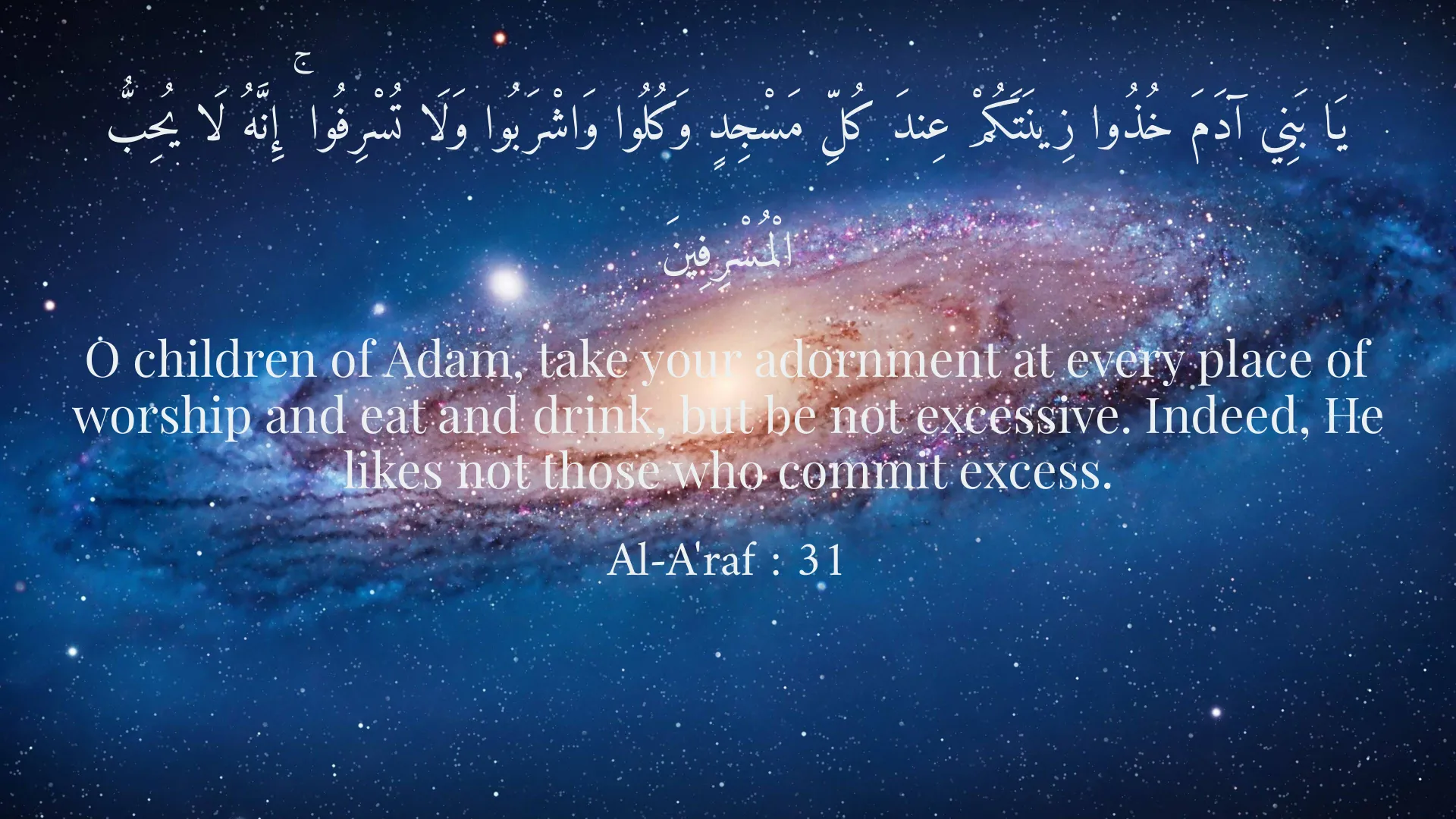
يَا بَنِي آدَمَ خُذُوا زِينَتَكُمْ عِندَ كُلِّ مَسْجِدٍ وَكُلُوا وَاشْرَبُوا وَلَا تُسْرِفُوا ۚ إِنَّهُ لَا يُحِبُّ الْمُسْرِفِينَ
O children of Adam, take your adornment at every place of worship and eat and drink, but be not excessive. Indeed, He likes not those who commit excess.
Al-A'raf : 31
يَا أَيُّهَا الَّذِينَ آمَنُوا أَنفِقُوا مِنْ طَيِّبَاتِ مَا كَسَبْتُمْ وَمِمَّا أَخْرَجْنَا لَكُمْ مِّنَ الْأَرْضِ وَلَا تَيَمَّمُوا الْخَبِيثَ مِنْهُ تُنفِقُونَ وَلَسْتُمْ بِأَخِذِيهِ إِلَّا أَن تُغْمِضُوا فِيهِ ۚ وَاعْلَمُوا أَنَّ اللَّهَ غَنِيٌّ حَمِيدٌ
O you who have believed, spend from the good things which you have earned and from that which We have produced for you from the earth. And do not aim toward the bad to spend from it while you would not take it except in disdain. And know that Allah is Free of need and Praiseworthy.
Al-Baqarah : 267
Short Story
One day, a young man named Mahdi was shopping in the market with his friends, but the more he bought, the less happy he felt. Suddenly, he remembered the verses of the Quran and began to contemplate contentment. From that day onward, he decided to spend his time with his family instead of unnecessary purchases and to appreciate the small blessings of life. He realized that simplicity and contentment brought true happiness.