Quranic Answer
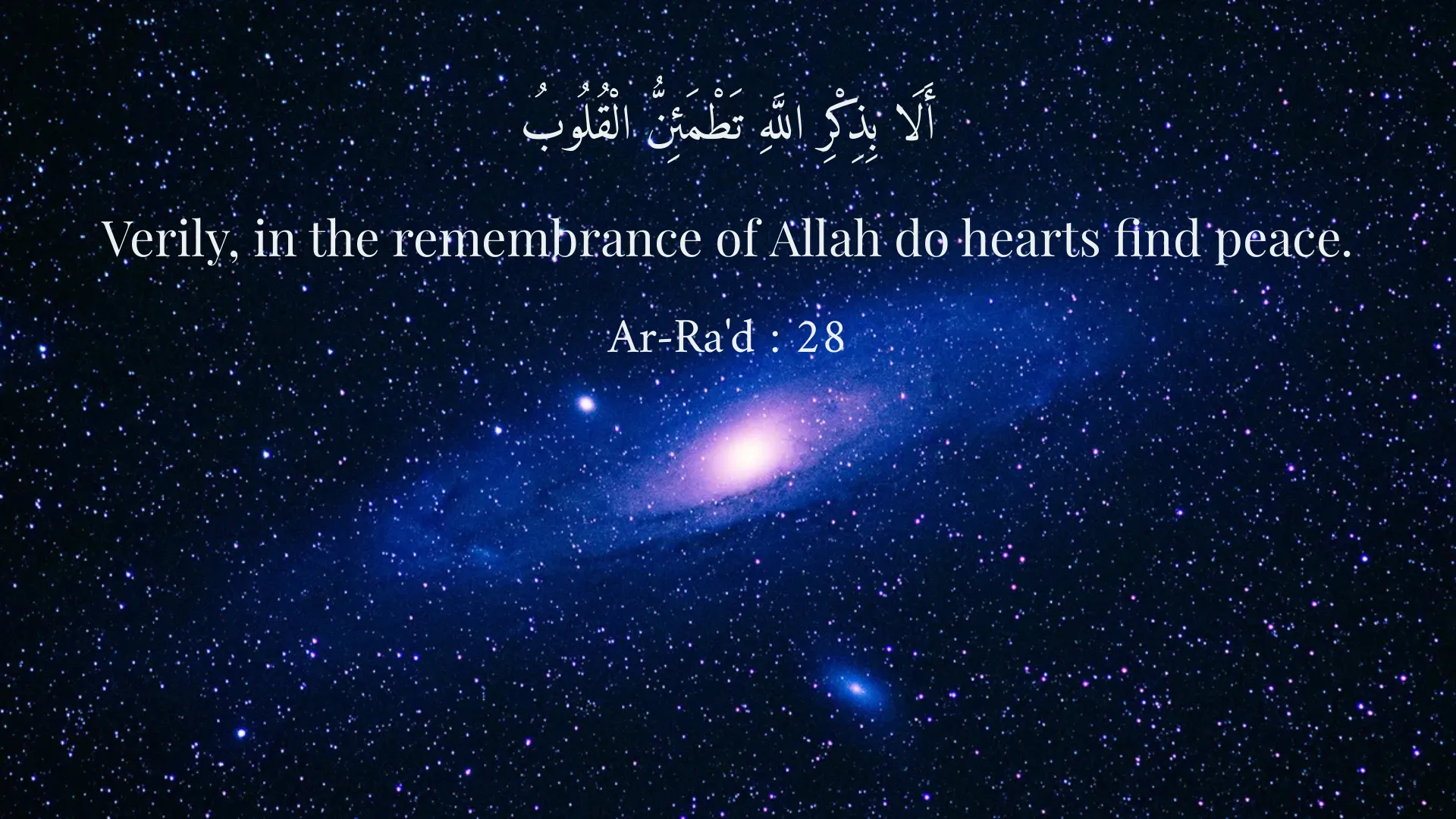
Cleansing the mind means eliminating negative thoughts and creating a positive atmosphere in the mind. This process is crucial for achieving mental well-being and inner peace. In various spiritual and psychological traditions, the significance of a purified mind is widely acknowledged. In Islamic tradition, this concept is deeply embedded within the teachings of the Holy Quran, which serves as a guide for millions of Muslims around the world. One important aspect of mental cleansing can be found in the verses of the Quran that refer to the tranquility of the heart and mind. For instance, in Surah Ar-Ra'd, verse 28, it states: "Verily, in the remembrance of Allah do hearts find peace." This verse highlights a fundamental principle in Islam—the idea that remembering Allah can lead to a serene heart and mind. The act of dhikr, or remembrance, is more than mere recitation; it is a deep engagement of the heart and soul with the Creator. Regularly engaging in this practice helps ensure that the mind remains focused on the positive and the divine, thereby reducing the clutter of negative thoughts that can invade our mental space. Moreover, Surah Ta-Ha verses 25 to 28 illustrate the connection between prayer and mental clarity. Prophet Musa, during his plea to Allah, asks Him to purify his heart and provide him with strength in his chest. This supplication signifies that we are encouraged to seek divine help in our efforts to achieve a cleansed and tranquil mind. Prayer in Islam is not merely a ritualistic practice; it is a profound dialogue with Allah that contributes significantly to mental and emotional well-being. When we connect with God through prayer, we submit our worries and anxieties, allowing us to achieve a sense of harmony and inner strength. In addition to prayer and remembrance, other methods may also support mental cleansing. Positive thinking is one such approach that can profoundly impact our mental state. By consciously shifting our focus from negative to positive thoughts, we can cultivate a more optimistic outlook on life. Positive affirmations, gratitude journaling, and surrounding ourselves with positive influences are practical strategies to keep our minds in a beneficial state. These practices significantly enhance our emotional resilience, enabling us to navigate life's challenges more effectively. Meditation is another powerful practice recognized across various cultures, including Islamic teachings, as a means to clean and calm the mind. Engaging in regular meditation allows individuals to observe their thoughts without judgment, thereby creating a mental space that encourages clarity and focus. The practice of mindfulness—being present in the moment without being overwhelmed by past regrets or future anticipations—can create a profound sense of peace. This is closely aligned with Islamic teachings that encourage believers to live in the moment and to trust in Allah's plan. Focusing on the present moment helps liberate the mind from unnecessary anxieties related to what has happened or what may happen. Recognizing that the present is the only time we truly have empowers us to take charge of our thoughts and feelings more effectively. Techniques such as deep breathing exercises can aid in grounding oneself in the present, which Peters mentions as significant for those seeking tranquility. In addition to these practices, being attentive to Islamic principles and engaging in acts of worship are fundamental in cultivating a positive mental state. Obligatory prayers (Salah) serve as a disciplined means to reconnect with Allah five times a day. This practice is not just a form of worship; it serves to recalibrate our mental focus, pushing aside distractions and reminding us of a higher purpose. Moreover, the act of making supplications (du’a) enables us to express our innermost concerns to Allah, fostering a reassuring connection and a sense of peace in knowing that we are not alone in our struggles. Furthermore, helping others in need, whether through charitable acts or simple kindness, can also contribute to mental cleansing. Engaging in acts of service fosters a sense of community and belonging while reducing negative stressors by directing our energy towards positive endeavors. This shift in perspective not only aids in clearing mental clutter but also nurtures a fulfilling life experience. Ultimately, cleansing the mind is not a one-time act but a continuous journey that requires dedicated effort and consistent practice. It is essential to incorporate techniques that resonate with the individual, regularly revisiting each practice to ensure a well-maintained mental state. Just as physical health needs regular exercise and nutrition, mental health needs nurturing and care to sustain tranquility. This commitment to mental cleansing should be seen as a daily responsibility, one in which regular self-reflection and spiritual engagement play pivotal roles. In today's fast-paced world, distractions abound, and negative thought patterns can develop insidiously; hence, the significance of maintaining a clean and peaceful mind is paramount. In conclusion, the path to mental cleansing intersects thoughtfully with spiritual well-being, especially within Islamic tradition. By intertwining acts of remembrance, prayer, positive thinking, meditation, and supportive community engagement, individuals can experience lasting tranquility. The journey toward a purified mind yields not only personal peace but also enhances one’s ability to engage positively with the world around them. Therefore, let us strive daily to cleanse our minds and nurture our spirits, attaining the ultimate state of peace and balance.
Related Verses
أَلَا بِذِكْرِ اللَّهِ تَطْمَئِنُّ الْقُلُوبُ
Verily, in the remembrance of Allah do hearts find peace.
Ar-Ra'd : 28
قَالَ رَبِّ اشْرَحْ لِي صَدْرِي
He said: 'My Lord, expand for me my breast.'
Ta-Ha : 25
Short Story
Once upon a time in a village, there was a young man named Amir who always had a troubled mind. He decided to engage in the remembrance of God and cleanse his mind. By starting to pray and make supplications, he slowly felt peace and saw the world as more beautiful. He realized that all his worries stemmed from being distant from the remembrance of God, and now with a peaceful heart, he continued his life.