Quranic Answer
The Night of Qadr: A Divine Blessing in Ramadan The Night of Qadr, also known as Laylat al-Qadr, is one of the most sacred and significant nights in the Islamic calendar, particularly during the month of Ramadan. It holds a vital place in the hearts of Muslims around the world, marked by deep spirituality and fervent prayer. This article seeks to explore the importance of this holy night, its historical significance, the blessings associated with it, and how Muslims can best utilize its sacredness. The significance of the Night of Qadr is rooted in the Holy Quran, which emphasizes the momentousness of this night. The Quran states, “Indeed, We sent the Qur'an down during the Night of Qadr. And what can make you know what is the Night of Qadr? The Night of Qadr is better than a thousand months” (Surah Al-Qadr, verses 1-3). These verses highlight the extraordinary value and rewards associated with this night. The Quran was revealed to the Prophet Muhammad (PBUH) during this period, signifying its importance as a pivotal moment in Islamic history. Muslims place great emphasis on this occasion, revering it as the night when divine guidance was bestowed upon humanity. The intensity of blessings that accompany the Night of Qadr is further illuminated in the same Surah, where Allah mentions that “the angels and the Spirit descend therein by permission of their Lord for every matter” (Surah Al-Qadr, verse 4). This divine descent is symbolic of the immense mercy and spiritual significance that envelop the earth during this night. For believers, this serves as a reminder of God's constant support and guidance, encouraging them to seek His blessings through supplication and worship. The special status of the Night of Qadr lies not only in its comparison to a thousand months but also in the peace it brings, as stated in Surah Al-Qadr: “Peace it is until the emergence of dawn” (Surah Al-Qadr, verse 5). This tranquility serves as a reminder of the spiritual upliftment and solace that faithful worshippers experience during this holy time. The night is considered a moment of profound connection between the believer and Allah, allowing for an opportunity to seek forgiveness, mercy, and divine favor. Muslims around the world strive to engage in devotion and worship on the Night of Qadr. It is encouraged to partake in special prayers (Salat), recite the Quran, and engage in sincere supplication (Dua). The importance of supplications made during this night is well-documented, with many traditions noting that Allah is most generous in accepting prayers from His servants during this time. Believers are reminded to open their hearts and ask for their desires, be they worldly or spiritual, as it is a time when the doors of divine mercy are wide open. Furthermore, many Muslims observe the last ten nights of Ramadan with increased devotion, as the exact date of the Night of Qadr is not definitively known. The Prophet Muhammad (PBUH) has indicated in Hadiths that it is likely to fall on one of the odd-numbered nights in this period. As such, Muslims are encouraged to devote themselves fully to worship during these nights, seeking the blessings of this holy occasion. The concept of the Night of Qadr transcends mere ritual worship; it serves as a profound reminder of the spiritual journey that every believer embarks upon. It invites Muslims to reflect on their lives, seek forgiveness for past transgressions, and commit themselves to a path of righteousness. The power of this night lies not only in its historical aspects but also in its ability to inspire profound change in the lives of believers. Those who observe this night with devotion can come away transformed, with renewed faith and a deeper connection to their creator. It is also essential to note the social aspect of this holy night. Muslims engage in community prayers, coming together to worship in mosques or homes. The atmosphere during these nights is one of unity and fraternity, reinforcing the bonds of brotherhood and sisterhood among believers. Sharing in worship, reflecting on the teachings of Islam, and giving to those in need embody the very essence of this blessed night. As Ramadan approaches, believers should begin to mentally and spiritually prepare for the Night of Qadr. This preparation can include setting intentions for what they wish to achieve during this spiritual night, whether that be forgiveness for past mistakes, healing for loved ones, or guidance in difficult times. This period of reflection is critical to optimizing the experience of the Night of Qadr, allowing for a more profound understanding of one's faith and relationship with Allah. In conclusion, the Night of Qadr stands as a beacon of hope, mercy, and spiritual renewal for Muslims globally. It is a night that beckons believers to draw closer to their Lord, seeking His blessings and forgiveness. The teachings of the Quran and the traditions of the Prophet Muhammad (PBUH) underline the immense value of this sacred night, encouraging Muslims to immerse themselves in worship and supplication. As the Night of Qadr approaches during Ramadan, let us remember its significance and strive to maximize our devotion, ultimately leading to a transformative experience that resonates beyond this holy night.
Related Verses
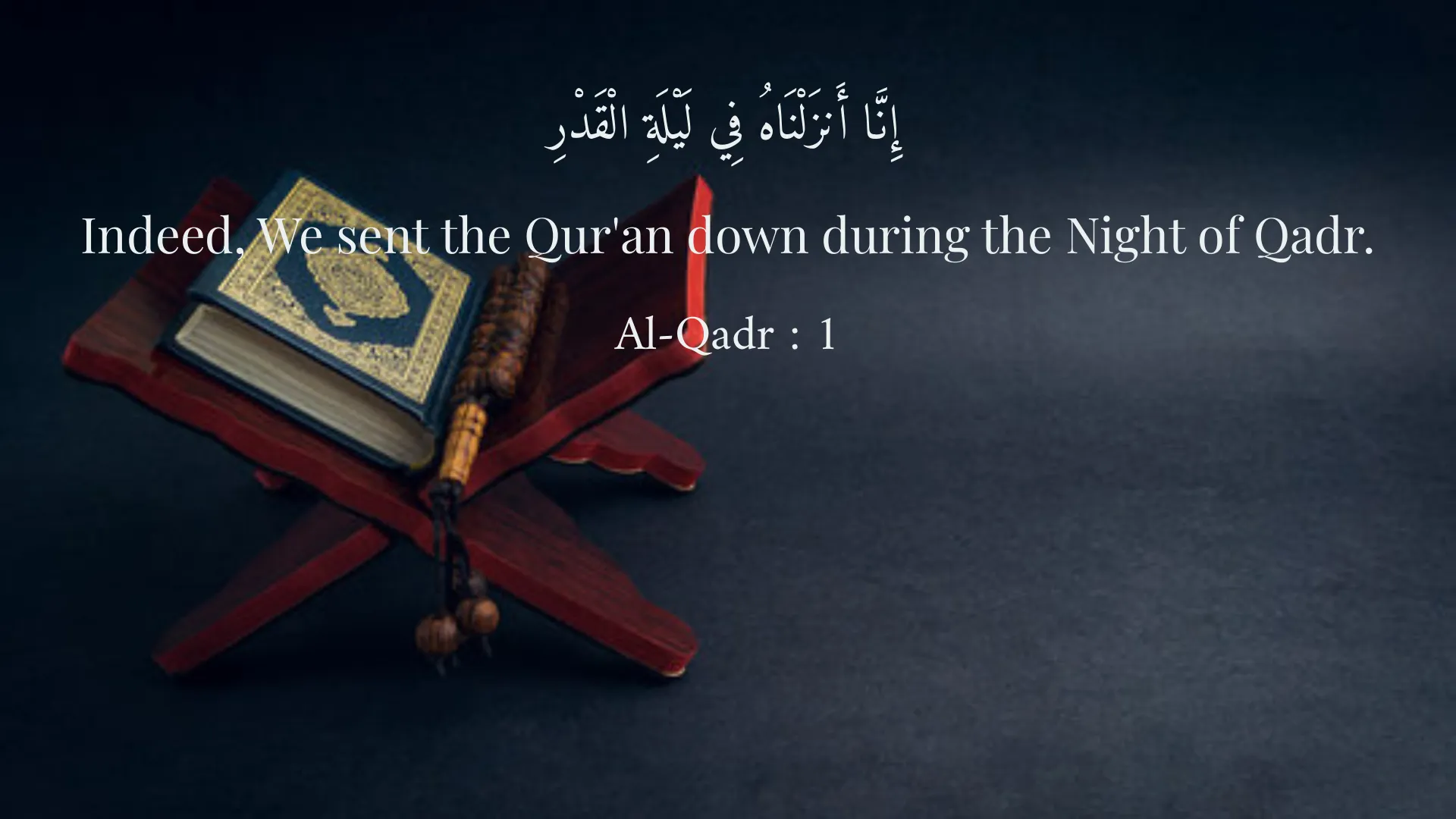
إِنَّا أَنزَلْنَاهُ فِي لَيْلَةِ الْقَدْرِ
Indeed, We sent the Qur'an down during the Night of Qadr.
Al-Qadr : 1
لَيْلَةُ الْقَدْرِ خَيْرٌ مِّنْ أَلْفِ شَهْرٍ
The Night of Qadr is better than a thousand months.
Al-Qadr : 3
سَلَامٌ هِيَ حَتَّى مَطْلَعِ الْفَجْرِ
Peace it is until the emergence of dawn.
Al-Qadr : 5
Short Story
One day, Zahra decided to spend the Night of Qadr in worship and supplication. She was aware of the significance of this night and approached God with a sincere intention. As the night began, her heart filled with gratitude, and she cried in her prayers. She felt cleansed of all impurities and attained a deep sense of peace.