Quranic Answer
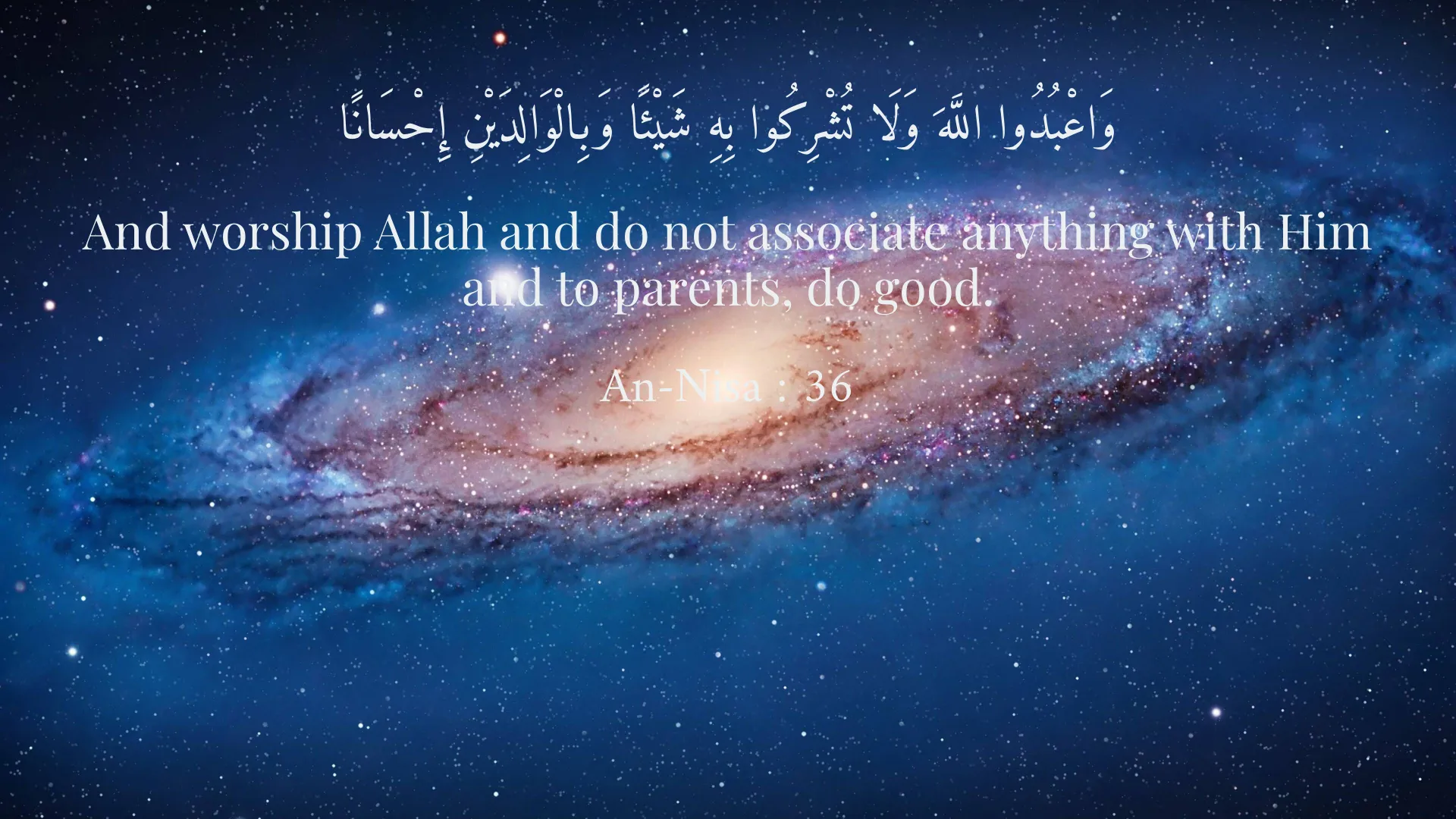
In the Holy Quran, Allah invites believers to engage in good deeds and acts of charity, highlighting the significance of these actions in shaping a just and compassionate society. Among the various avenues for doing good, kindness and benevolence towards family and relatives stand out as fundamental duties. This is not merely an obligation; it is an essential aspect of one’s faith and character. The Quran places substantial emphasis on the treatment of family, demonstrating that the bonds of kinship are not only to be cherished but also prioritized in our moral and ethical considerations. For instance, in Surah An-Nisa (Chapter 4), verse 36, Allah commands, "And worship Allah and do not associate anything with Him and to parents, do good." This verse serves as a profound reminder that the worship of Allah is intrinsically linked with how we treat our parents and family members. By placing the duty to one's parents in the same verse as the worship of Allah, the Quran explicitly indicates that honoring family is an integral part of one's spiritual life. The phrase "do good" underscores the importance of not only fulfilling basic familial responsibilities but also going beyond, to engage in acts of kindness, support, and love. This entails providing emotional support, being there for one another through life's challenges, and nurturing positive relationships. Additionally, in Surah Al-Imran (Chapter 3), verse 92 states: "You will never attain to righteousness until you spend out of what you love." This is a powerful affirmation that true goodness is measured by our willingness to sacrifice, sharing even from our most treasured possessions. This could be our time, resources, or anything of value that we hold dear. The essence of this teaching is to encourage the practice of generosity, where giving becomes a joyful act, rather than an obligation. It reflects the spirit of selflessness, which is central to Islamic teachings, echoing the belief that what we possess is ultimately a trust from Allah, which we ought to share with those in need. On a practical level, doing good can manifest in various everyday interactions. Cultivating goodwill through honesty, truthfulness, and integrity becomes essential not only in our family relationships but also in society at large. Engaging in honest and empathetic conversations can foster a deep understanding and strengthen the bonds within families. Moreover, these virtues promote trust, which is foundational for any healthy relationship. Helping the needy is another paramount way to enact the principles of goodness laid out in the Quran. Engaging in acts of charity, such as providing financial assistance or simply offering time and attention to those who are struggling, forms a crucial part of community service. This aligns with the teachings of the Quran that encourages believers to look beyond their individual needs and consider the welfare of others. Providing resources for others might take on many forms, including volunteering at local shelters, offering mentorship or guidance, or providing emotional support. In addition to these commands, the concept of charity (Sadaqah) holds a privileged place in Islam. It reflects an individual's commitment to the well-being of all beings and fosters a sense of community and brotherhood. The Quran encourages acts of charity, stating that even small acts can have a significant impact. Giving charity, whether formal or informal, serves both the giver and the receiver, as it cultivates a sense of gratitude, companionship, and mutual respect. Ultimately, the sincere intention behind these actions plays a crucial role, as good deeds should be performed with the intention of pleasing Allah. As stated in Surah Al-Baqarah (Chapter 2), verse 225, "And whatever good you do, Allah knows it." This conveys that the sincerity of the act is more important than the act itself, framing a person's moral compass not just within societal norms but anchored in spiritual integrity. Furthermore, such intentions lead to a form of spiritual contentment and fulfillment for the one doing good. The conscious effort to perform acts of kindness and charity can enlighten an individual's own understanding of compassion, love, and respect, traits that are essential in living harmoniously within a community. This kind of genuine engagement can also serve as an inspiration to others, creating a ripple effect of goodness. In conclusion, engaging in good deeds and acts of charity as prescribed in the Holy Quran is not merely about adherence to religious duty; it is about cultivating a life rooted in kindness, generosity, and moral integrity. The directives from Allah in the Quran compel believers to prioritize familial bonds and extend compassion beyond their immediate spheres, contributing to a larger societal ethos of charity and goodwill. The teachings urge individuals to reflect on the significance of their intentions and the impact of their actions on others, thereby fostering an environment of mutual support and understanding. By embodying these principles, we can contribute to a world that is defined by love, compassion, and benevolence, demonstrating that the acts of goodness we engage in resonate far beyond the individual, ultimately benefiting society as a whole.
Related Verses
وَاعْبُدُوا اللَّهَ وَلَا تُشْرِكُوا بِهِ شَيْئًا وَبِالْوَالِدَيْنِ إِحْسَانًا
And worship Allah and do not associate anything with Him and to parents, do good.
An-Nisa : 36
لن تنالوا البرّ حتى تنفقوا مما تحبّون
You will never attain to righteousness until you spend out of what you love.
Al-Imran : 92
Short Story
Once there was a kind man who always thought about helping others. He would visit the nursing home every day, tending to the patients and bringing joy with his smiles. One day, a patient asked him to read a book to him. He gladly accepted this request and spent an hour doing so. This act not only brought joy back to the patient but also filled the man with warmth and satisfaction.